Addressing HIV/AIDS in Timor-Leste
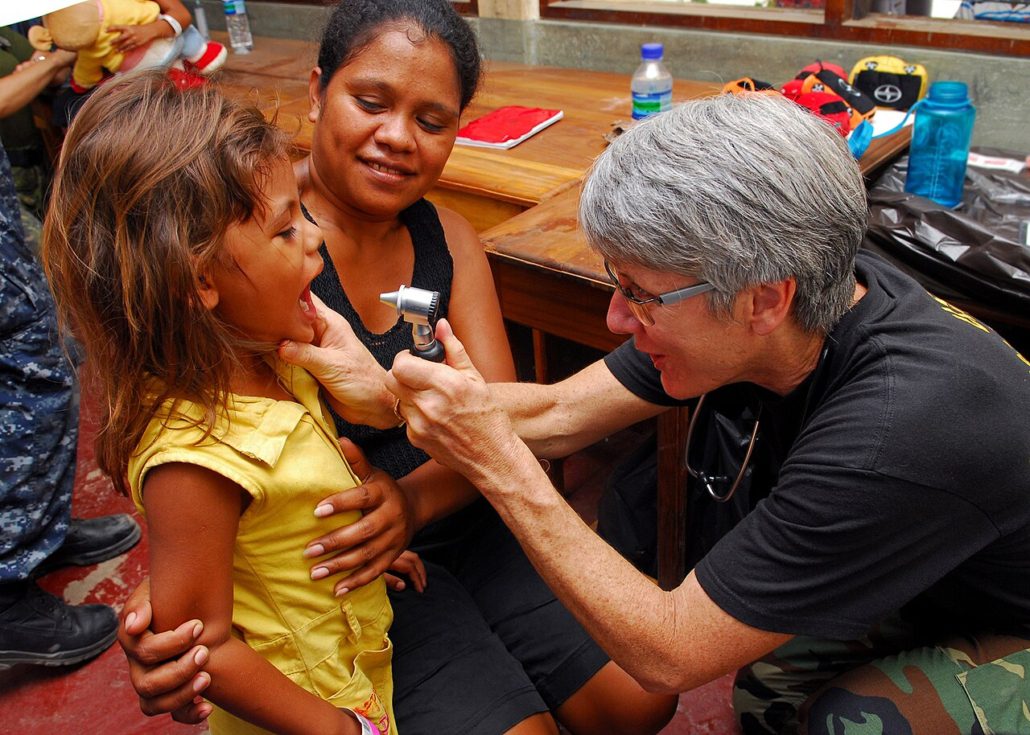 Although HIV/AIDS in Timor-Leste remains relatively uncommon compared with many countries in the region, it remains an important public health concern. Timor-Leste has a low-level HIV epidemic, but new cases continue to be identified among the general population, including people attending antenatal, sexually transmitted infection and tuberculosis clinics. Limited access to HIV testing, stigma surrounding the disease and gaps in rural health care continue to challenge prevention and treatment efforts. While the country’s HIV epidemic remains relatively small, continued investment in prevention, education and treatment is essential to reducing new infections and improving long-term public health.
Timor-Leste Maintains a Low HIV Burden
Timor-Leste reported its first HIV case in 2003, shortly after gaining independence. Since then, the government has collaborated with international partners to strengthen HIV prevention, testing and treatment services. Although HIV/AIDS in Timor-Leste remains relatively uncommon, low HIV testing rates continue to limit early diagnosis, particularly in underserved communities. In remote areas, limited medical resources, shortages of trained health workers and long travel distances can delay testing and treatment, increasing the risk of undiagnosed infections.
Limited Access To Testing and Health Care Remains a Challenge
Several barriers continue to affect Timor-Leste’s HIV response. HIV-related stigma discourages some people from seeking testing or treatment because they fear discrimination from their families or communities. Limited health infrastructure outside the capital also makes it difficult for many people to access medical services. In addition, comprehensive sexual health education remains limited, leaving many young people without accurate information about HIV prevention. Together, these challenges highlight the importance of continued investment in public education, accessible health care and community awareness programs.
Despite these challenges, HIV testing services have reached thousands of people. In 2022, 10,913 people across five districts accessed HIV testing services and peer education on HIV prevention, testing and treatment. The country has also expanded efforts to improve access to HIV self-testing and pre-exposure prophylaxis (PrEP), with national guidelines developed to support these services. These efforts are important for increasing early diagnosis and connecting people who test positive with appropriate treatment and care.
In 2022, the Ministry of Health reported 250 new HIV cases, and 77 of those people had not yet started antiretroviral treatment, highlighting the continued gap between diagnosis and access to treatment.
HIV and Poverty Are Closely Connected
HIV/AIDS in Timor-Leste is not only a health issue but also a development challenge. Nearly 42% of people in Timor-Leste live below the national poverty line, making the cost of health-related services and prevention measures an important concern for vulnerable communities. In some areas, the cost of HIV prevention can create an additional barrier. For example, free condoms are distributed through a key-population organization in only five of Timor-Leste’s 13 municipalities, while people in other areas may have to pay around $2 for a pack of three condoms, a cost that some people cannot afford. For people living in poverty or in areas with limited health services, these financial and geographic barriers can make it more difficult to access HIV prevention, testing and treatment.
Government and International Partners Are Strengthening the Response
Timor-Leste’s Integrated National Strategic Plan for HIV, STIs and Viral Hepatitis (2022–2026) has strengthened the country’s response by bringing HIV, sexually transmitted infections and viral hepatitis into one coordinated framework. The Ministry of Health finalized and endorsed the plan, while it launched new national guidelines for eliminating mother-to-child transmission of HIV. The national response has also advanced HIV self-testing and pre-exposure prophylaxis (PrEP) through new guidelines and procedures, helping expand prevention and testing options for people at higher risk. Together, these measures support earlier diagnosis, stronger prevention and improved access to HIV services.
WHO has worked closely with Timor-Leste’s Ministry of Health to strengthen HIV services, including developing guidelines for antiretroviral treatment, HIV testing and the elimination of mother-to-child transmission. In January 2023, WHO and the Ministry of Health launched pilot projects for HIV self-testing and pre-exposure prophylaxis (PrEP) in Dili; nearly 1,000 HIV self-tests were made available and more than 200 people began PrEP. UNFPA has also supported the Ministry of Health’s HIV response, including a 2019 training that prepared 23 health workers on HIV testing, treatment, PrEP and PEP, prevention of mother-to-child transmission and HIV-related stigma. UNAIDS, through the UN Joint Team, has supported the national HIV response, including HIV testing, prevention education and the development of HIV self-testing and PrEP guidelines.
Continued Investment Is Key To Preventing New Infections
Timor-Leste has an opportunity to maintain its low HIV burden by continuing to invest in prevention, education and accessible health care. Expanding HIV testing, reducing stigma and strengthening health services in rural communities can help prevent new infections while improving the quality of life for people living with HIV. Continued collaboration between the government, local communities and international partners will not only strengthen Timor-Leste’s HIV response but also contribute to poverty reduction, healthier communities and sustainable development.
– Adebisi Aliyah Adeola
Adebisi is based in Cairo, Egypt and focuses on Global Health for The Borgen Project.
Photo: Wikimedia Commons
