Poverty Eradication in Belize Gains Momentum
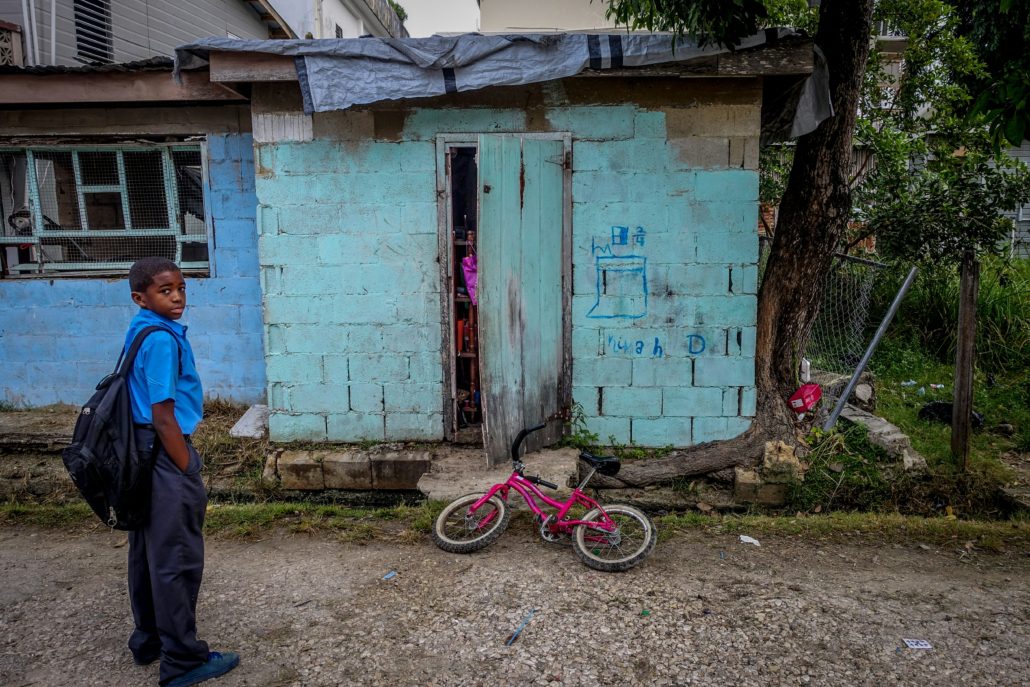 Belize often receives recognition for its Caribbean coastline, ecological diversity and connection to the Belize Barrier Reef System. In recent years, however, the country has also drawn attention for its measured progress toward poverty eradication in Belize.
The Statistical Institute of Belize reported that 36.5% of the population was multidimensionally poor in September 2021. That figure fell to 26.4% in September 2023 and 19.1% in September 2025, marking a 17.4 percentage-point decrease over four years.
Belize has advanced this progress through more than one program. The country has used data-driven poverty tracking, digital social protection tools and climate-smart rural development to address poverty more directly. These innovations show how better systems can help governments and partner organizations identify need, deliver assistance and support vulnerable communities.
Data Helps Belize Target Poverty
One innovation supporting poverty eradication in Belize is its use of the Multidimensional Poverty Index. Unlike income-based measurements, the MPI examines several forms of deprivation at the same time, such as health, education, employment and living standards.
The Statistical Institute of Belize reported that the MPI complements monetary poverty measures and helps develop and monitor targeted poverty reduction interventions. The distinction matters because poverty does not affect every region or household in the same way.
In September 2025, SIB reported that 27.8% of Belize’s rural population experienced multidimensional poverty, compared with 6.5% of the urban population. The Toledo District recorded the highest district rate, at 59.5%. These figures show why targeted data can help policymakers identify where need remains most concentrated.
Digital Payments Strengthen Social Protection
Belize has also worked with international partners to modernize how social assistance reaches vulnerable households. The World Food Programme (WFP) reported that Belize has used digital financial tools to support social protection and emergency response.
According to WFP, the Hurricane Lisa Assistance Programme reached 8,403 people from 2,184 households through DigiWallet, a local mobile wallet provider. WFP described the initiative as the government’s “first pilot using a mobile wallet” to distribute emergency cash assistance.
Digital systems also play a role in regular social assistance. WFP reported that, as of 2024, 96% of beneficiaries in Belize’s BOOST program, or Building Opportunities for Our Social Transformation, received monthly payments through credit union accounts. The report said digital wallets could become another payment option for people who cannot access credit union accounts or live far from ATMs and formal financial institutions.
Rural Programs Address Climate Risk
Rural poverty remains a central challenge in Belize, and agriculture connects closely to that issue. The Ministry of Economic Transformation says the Resilient Rural Belize Programme aims to improve rural livelihoods, strengthen agricultural value chains and increase the adaptive capacity of smallholder farmers.
The program supports climate-smart agriculture, sustainable land use and resilient infrastructure. It also invests in farm access roads, irrigation systems, drainage networks, farmer training and market access. These efforts connect poverty reduction with climate resilience, especially for rural families whose income depends on agriculture.
The ministry lists several achievements, including farmer training, meteorological equipment to improve agri-climatic forecasting, road enhancement works and expanded backyard gardening targeting more than 750 women and youth. These projects show how rural development can combine infrastructure, technology and local agricultural support.
Progress and Remaining Challenges
Belize’s declining multidimensional poverty rate shows measurable progress, but the country still faces challenges. SIB estimated that 76,779 people across 17,753 households lived in multidimensional poverty in September 2025. Rural poverty, climate vulnerability and gaps in digital access remain important barriers to poverty eradication in Belize.
Belize’s recent efforts show how poverty reduction can depend on stronger systems. Through better data, digital social protection and climate-smart rural investment, the country is building tools that help identify need, deliver assistance and support vulnerable communities more effectively.
– Ben Jordan
Ben is based in Saint Louis, MO, USA and focuses on Technology and Solutions for The Borgen Project.
Photo: Unsplash
