Battling West Africa’s Kush Crisis
 Kush is a synthetic smokable drug composed of nitazenes, potent synthetic opioids, and synthetic cannabinoids. Laboratory testing has found that one of the nitazene compounds detected in kush is 25 times more potent than fentanyl. Kush has long been rumored to contain tramadol and powdered human bones, but chemical analysis conducted for a 2025 report by the Global Initiative Against Transnational Organized Crime and the Clingendael Institute did not find evidence of either. The synthetic drug leaves users with headaches, nausea, vomiting, seizures, aggressive outbursts and a feeling of mental and physical numbness that makes them crave more. Its dependency and inexpensive sale price offer a temporary emotional escape and source of income for many impoverished and young people across the West African countries of Liberia, Sierra Leone, Guinea, and Guinea-Bissau. These countries have 34% to 41% of their citizens living on less than $3 a day.
Health Problems
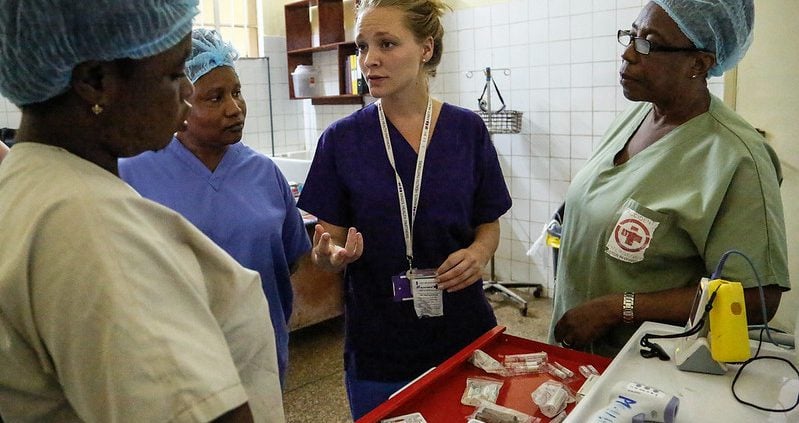
Kush’s physical effects include lethargy, swollen feet, organ failure, and death, currently putting immense labor, spatial and economic strain on West Africa’s health care system. Kush-related admissions have increased 4,000% between 2020 and 2023 and are now overwhelming Sierra Leone’s only psychiatric hospital. The sole rehab drug care clinic in the country is ill-equipped with only 100 beds to care for kush patients who comprise 63% of Sierra Leone’s current physical and mental health hospital patients.
Social Problems
Young West Africans addicted to kush neglect daily responsibilities of school, home, and community, instead becoming zogos (locally meaning street-dweller), which worsens regional poverty. Regarding crime, West African government authorities’ failures to convict at all levels of the international drug trade have resulted in a rate of one conviction for every 146 arrests in Liberia. Crime at a local and individual level stemming from kush’s psychiatric impact is evident in widespread public disorder conduct reports, and many kush abusers are stealing everyday items to help afford their addiction.
Economic Problems
According to the Global Initiative Against Transnational Organized Crime, average kush users report purchasing two to six kush joints a day ($0.80 to $2.40 a day/$292 to $876 a year), with quantities increasing as individual addictions worsen. The relatively inexpensive production cost and purchasing price of kush help national production profits double annually. Cartel owners can make $3,000 a week ($156,000) profit through selling between one to two kilograms of kush, with small retailers even stating $20 a week profits ($240 a year). The income opportunities worsen West Africa’s kush crisis by offering appealing outlets for the 60% of Sierra Leonean youth in unemployment who reside in a country whose average per capita income is under £400 ($539.92).
Local Solutions
SAJED-Guinée provides free health care attention and medicines to its many poverty-stricken kush patients, funded by private donors’ financial grants and the $0 pay its staff willingly receive in their fight against West Africa’s kush crisis. In Liberia, many local community leaders help local authorities identify drug hotspots and ghettos in their efforts to mitigate kush’s pressing challenge.
National Solutions
The Five Key Pillar Plan implemented by the Sierra Leone government addresses West Africa’s kush crisis by focusing on “Treatment and Care, Rehabilitation and Reintegration, Community Engagement, Prevention and Awareness, and Law Enforcement.” The plan has engaged health care and local communities by providing specialized training to 1,400 health care workers in drug treatment and medical health care, alongside producing public education materials on the harms of kush. Infrastructure developments supported by the plan have established three new national rehab centers with an additional facility currently under construction, coinciding with the launch of 52 local advisory groups in communities nationwide.
Stricter law enforcement has resulted in the incursion of 90 drug hotspots. The BBC found that the Sierra Leone government’s declaration of a national emergency against kush has resulted in the assembly of the National Task Force on Drugs and Substance Abuse. The force’s powers allow them to supply a stricter security presence at cemeteries to address community concerns about the digging-up of human bones, along with investigative and conviction authority to help break down the kush supply chain.
International Solutions
Partners in Health, an international nongovernmental organization, is currently delivering extensive physical and mental health care for kush addicts in Sierra Leone and Liberia, training programs for nurses, and hospital discharge services that help recovering addicts rebuild skills and family relationships once discharged, which is vital for community integration. A Memorandum of Understanding has been signed by the United States International Narcotics and Law Enforcement Affairs bureau and the African Union to bolster law enforcement that advances West African police and justice systems. Efforts are helping eradicate international crimes supporting the soliciting of illegal drugs that damage economic growth and development opportunities in West Africa. In the plan’s first month, Sierra Leone saw more than 100 kush dealers convicted and dozens of cartels closed down, while along the Guinean border numerous trafficking vehicles and kush hotspots were infiltrated by the elevated police presence.
Current local, national, and international resistance against West Africa’s kush crisis is at its strongest since kush’s regional prevalence soared in 2020. However, present efforts and policies need to maintain strength and continue to strengthen efforts to diminish kush’s destructive role in the region’s poverty and hardships.
– Oliver Jones
Oliver is based in Cheshire, UK and focuses on Business and Global Health for The Borgen Project.
Photo: Flickr
