Dedicated Freight Corridor: Reducing Poverty in India
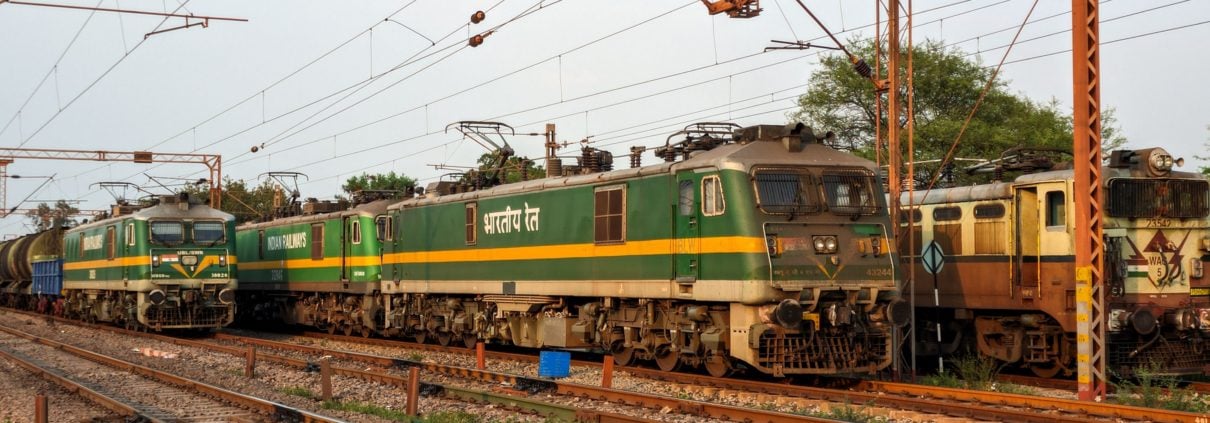 India’s large and growing economy moves millions of tons of raw materials, finished products and food across thousands of kilometers of railway tracks. Indian Railways uses freight trains to transport these goods. For decades, freight trains shared heavily congested routes with passenger services, limiting the speed and capacity of freight movement. The Dedicated Freight Corridor (DFC) was conceived to solve this issue. The DFC created dedicated freight-only railway lines to increase capacity and improve the movement of goods. On the existing shared trunk routes, the DFC was designed to relieve capacity utilization, which has run as high as 115% to 150%, reinforcing its importance. The benefits extend beyond railway efficiency. By reducing logistics costs and improving connectivity, the DFC can support investment, job creation and higher incomes, potentially reducing poverty for families in India.
Why Did India Need the DFC?
Before the DFC, India’s freight network suffered from congestion and low speeds, making it harder and more expensive to move goods—and these costs ultimately affect businesses, workers and low-income households. Freight trains previously never averaged more than 42 km/h. On the completed sections of the Eastern DFC, trains now run at an average of 75 to 80 km/h, with some trains reaching nearly 100 km/h. India’s rapidly growing economy placed additional pressure on already congested routes. Industries also needed reliable rail infrastructure to move raw materials and finished goods efficiently. Rising costs and delays also pushed some businesses toward road freight, adding pressure to India’s roads and highways.
DFC Reducing Poverty in India
The Dedicated Freight Corridor lowers logistics costs by moving goods more efficiently. Lower transport costs can encourage business investment, create jobs, and expand economic opportunities for low-income communities. Eastern Indian states like Bihar, Uttar Pradesh and West Bengal benefit from these new corridors. The Eastern DFC connects several mineral- and agriculture-producing regions with major markets, improving access to industries and ports. New industrial activity can create employment and raise household incomes, particularly in regions connected to the freight corridors.
The DFC’s economic impact
The DFC has significantly improved freight movement and supported industrial development along its corridors. The area around the Jawaharlal Nehru Port in Mumbai has seen increased investment due to the upcoming Western Dedicated Freight Corridor. Villagers near DFC construction sites earned between $20 and $31 per day through skilled and unskilled labor, according to the World Bank. The Western Dedicated Freight Corridor is home to the Delhi-Mumbai Industrial Corridor, while the Eastern Dedicated Freight Corridor is home to the Amritsar-Delhi-Kolkata Industrial Corridor. Both corridors have generated substantial construction and operational employment along their routes. These employment opportunities can increase household incomes and expand economic opportunities for low-income communities connected to the freight corridors.
Land acquisition for the massive project presents a significant drawback however, particularly in Uttar Pradesh, Bihar and Punjab. Furthermore, the project also faces the ongoing challenge of seamlessly integrating the exclusive high-speed tracks with the legacy Indian Railways network and private logistics network.
Conclusion
The Dedicated Freight Corridor demonstrates how infrastructure investment can do more than improve transportation. By strengthening supply chains, reducing logistics costs and expanding employment opportunities, it can support long-term poverty reduction while contributing to India’s economic growth. As the network continues to expand, it may offer valuable lessons for other developing countries seeking inclusive economic development.
– Dhruv Bandhu
Dhruv is based in Bengaluru, India and focuses on Good News and Technology for The Borgen Project.
Photo: Pexels
