Safe Houses Amid Growing Sexual Violence in Haiti
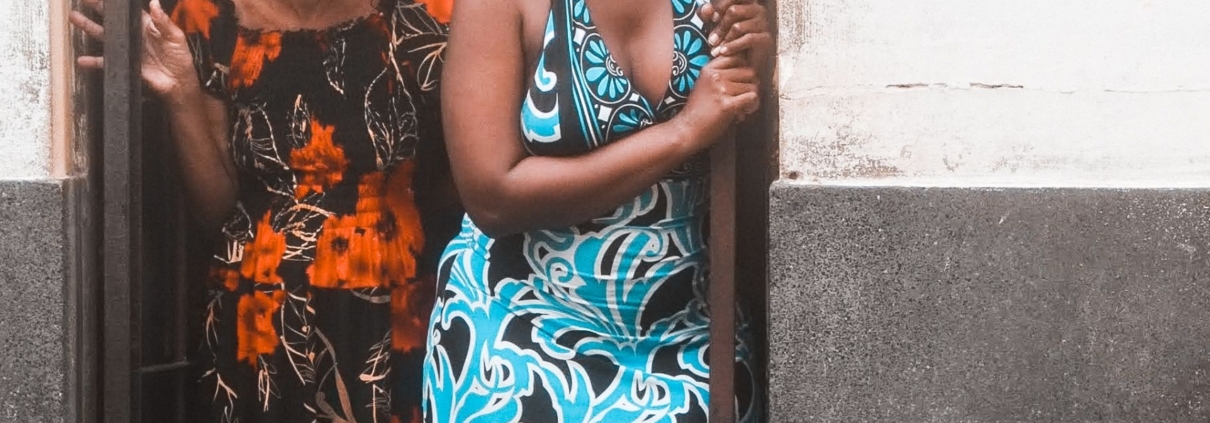 Announced on June 12, 2026, the first safe house supported by the state opened for survivors of sexual violence in Haiti. A 163% increase in verified cases of sexual violence amid rampant gang violence and internal displacement highlights the urgent need for this step from the state, as poverty becomes further entrenched.
The Situation in Haiti
Around 300 paramilitary gangs have dominated the void left by the assassination of President Jovenel Moïse in July 2021, imposing violent rule. Haiti is in crisis, with only 20% of the capital city not under complete gang control. This has resulted in record levels of internal displacement, with over 1.4 million forced from their homes by the violence, pushing many into displacement sites and leaving women and girls even more vulnerable to sexual violence.
Gangs have weaponized sexual violence in Haiti, with a recorded 1,000% increase in sexual violence against children from 2023 to 2024. The drive to displacement sites has also pushed many women and families into poverty, with more than 80% of women living in these sites now unemployed. That trend is reflected in national poverty figures: 86% of the population lives on less than $6.85 a day, and 36.4% falls within the extreme poverty threshold, on less than $2 a day.
The national effect is compounded by the fact that most women were previously the primary income generators in their households. As a result, around 1 million female-dependent households are experiencing acute food insecurity. Sexual violence continues to impact women and girls disproportionately in Haiti, pushing families further into poverty. However, the opening of safe houses for survivors, along with efforts from the Pan-American Health Organization, an international health agency for the Americas, points to a more hopeful direction in the response.
The First State-Supported Safe Houses
Alongside U.N. Women, Haiti’s Ministry of Women’s Welfare and Women’s Rights led a significant step in addressing sexual violence in Haiti by opening the country’s first state-supported safe houses. These houses are set to provide survivors with a space to receive protection and support as they rebuild their lives and recover from the trauma of escalating gang violence. While this is a new initiative with no outcome metrics yet published, the concept aims to help victims regain their autonomy and safety by prioritizing survivors amid their vulnerability to political violence.
By focusing on women and girls, the initiative could also help address poverty by supporting the rebuilding of family incomes, as these havens aim to provide the assistance survivors need for recovery. The program is intended to offer immediate shelter from further gang violence, providing an escape from the gender-based violence that U.N. Women found was reported in all 22 displacement sites surveyed, underscoring the scale of the crisis.
Efforts from the PAHO/WHO
Alongside this state-led effort, the Pan-American Health Organization (PAHO), part of the World Health Organization (WHO), is providing psychosocial and health care support to combat sexual violence in Haiti. PAHO, made up of 35 member states, works across its regional offices to improve health, fight disease and provide emergency response. For decades, it has supported Haiti by promoting healthy lives through more effective health services and by prioritizing risk reduction.
To support displaced survivors of sexual violence, funding has allowed PAHO/WHO to improve psychosocial services at displacement sites, deploying 11 psychologists and 11 social workers to provide professional assistance. The organizations have also equipped nine health facilities with specialized tools to treat survivors, including rape care kits, and trained 50 health professionals to provide more sensitive, high-quality care.
Combined with the opening of state-supported safe houses, these efforts represent important steps toward helping survivors return to stable lives and providing an opportunity to escape poverty.
Looking Ahead
The crisis of sexual violence in Haiti demands continued attention, as more victims fall into poverty. Still, the opening of safe houses marks a milestone in the response, establishing new protection and recovery pathways for women and children.
– Amy Carpenter
Amy is based in London, UK and focuses on Good News for The Borgen Project.
Photo: Pexels
