Poverty and Higher Education in Madagascar
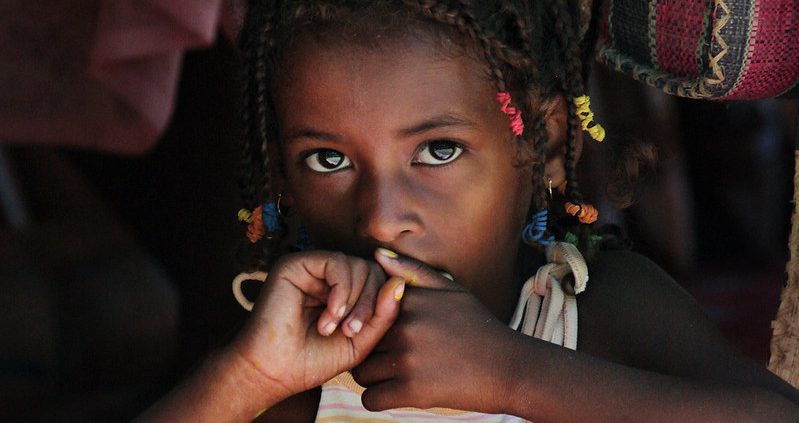 In Madagascar, reaching university is an opportunity available to very few young people. Poverty, weak learning and school dropout prevent many students from completing secondary education. Others must work to help their families. However, higher education in Madagascar could give people the skills needed for secure employment. Education can also train the professionals needed to improve health care, education, agriculture and other essential services. Madagascar has one of the highest poverty rates in the world, with 75.2% of the population living below the national poverty line in 2022. The poverty rate reached 79.9% in rural areas. Expanding access to higher education could help address poverty.
Higher Education and Poverty Reduction
Higher education can prepare students for skilled and better-paid work. Universities and technical colleges train teachers, doctors, engineers, researchers and business professionals. These workers can earn more stable incomes and provide financial support to their families. By earning regular wages, graduates may be better able to pay for food, housing, health care and their children’s education, reducing the risk that poverty continues from one generation to the next. Their skills can also benefit the wider community.
Agricultural specialists can help farmers improve production and respond to climate change, which can increase food security and raise rural incomes. Health workers can improve people’s ability to remain healthy and work, reducing the financial pressure caused by illness.
Engineers and technology specialists can improve infrastructure, water systems and local services, making communities more productive and resilient. Teachers can strengthen the education system for future generations, helping more children gain the skills needed to escape poverty.
Graduates may also establish businesses and create jobs for other people, increasing local incomes and economic activity. However, university courses should meet the needs of employers and local communities. Practical programs in areas such as agriculture, health, tourism, manufacturing and technology could prepare students for available work. Internships and apprenticeships could also help graduates move from education into employment.
For many children, the barriers to university begin in primary school. Madagascar’s learning poverty rate is estimated at 94%. Most children cannot read and understand a simple text by age 10. Without basic reading, writing and mathematics skills, children are more likely to repeat grades or leave school.
Dropout is another serious problem. UNESCO has reported that children entering primary school have only a 33% chance of reaching its final grade. As a result, many students leave education before they can enter secondary school.
Poverty makes continuing education especially difficult. Families may need to pay for uniforms, materials, meals and transport, even when tuition is free. Private education is even less accessible due to the additional fees. Rural students may also live far from the nearest secondary school.
Some children leave school to work. International Labour Organization (ILO) data show that 29.8% of children ages 5 to 17 were involved in economic activity in 2018. Many work in agriculture, fishing, domestic service or other informal jobs. Although their earnings may help their families in the short term, work can limit the time and energy available for education. Leaving school without qualifications can then keep young people in insecure and poorly paid employment.
Helping Students Reach Higher Education
Financial assistance is one way to break this cycle. Scholarships, free materials, school meals and transport support can reduce the costs faced by poor families. Cash transfers may also reduce the pressure for children to work. The United Nations Children’s Fund (UNICEF) Madagascar’s Let Us Learn program provides a successful example. The initiative supports vulnerable students as they move from primary to secondary school, a stage when many children are at risk of dropping out. It operates as a cash-transfer supplement for families with children ages 11 to 18, helping them cover school-related costs and reducing the need for children to work.
The support is linked to continued school enrollment, so families receive financial help while children remain in education. In some cases, the money is paid regularly, such as every two months, and families can use it for expenses like school supplies, transport, food or other household needs that affect a child’s ability to stay in school. Its cash-transfer program increased overall enrollment by 7% among children ages 11 to 14. Among girls in this age group, enrollment rose by 13%.
Creating a Path Out of Poverty
Higher education alone cannot end poverty in Madagascar. Financial aid at university level is important, but it comes too late for many students. Children often need support from their first years of primary school.
Programs such as Let Us Learn show that targeted help can keep vulnerable students in school. However, long-term progress will require investment in early education as well as scholarships and university places. Expanding higher education in Madagascar begins with ensuring that children receive a strong education from their earliest school years. By improving basic learning and supporting students throughout their education, Madagascar can give more young people a real chance to reach university, gain secure employment and help reduce poverty in their communities. Helping citizens access higher education is also an investment in Madagascar’s long-term effort to reduce poverty.
– Nina Novillo Astrada
Nina is based in London, UK and focuses on Good News and Technology for The Borgen Project.
Photo: Flickr
