Stitch by Stitch: Afghan Women Fight Poverty with Zardozi
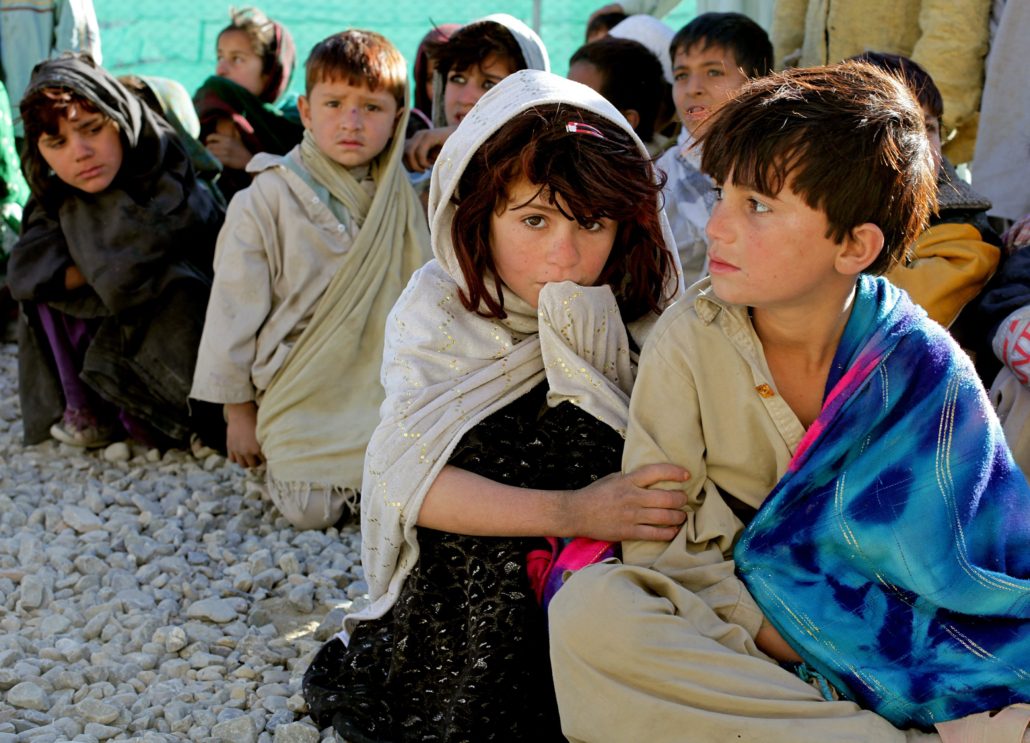 According to the United Nations Development Programme (UNDP), nearly 85% of Afghan women rely on less than $1 a day to successfully support their families while facing barriers to education, employment or economic authority within the household. Since 2020, the UNDP reports that Afghanistan that a devastating 29% economic downturn has gripped the nation, prompting women to find creative solutions in their fight against poverty.
Cherma Dozi, a well known and traditional Afghan embroidery style, celebrates underappreciated culture in the Middle East. It stands as one of many Zardozi patterns that showcases regional culture and beauty. Taking advantage of this common hobby is Zardozi, which is a nongovernmental organization (NGO) that takes its name directly from the Afghan embroidery it promotes. It teaches women and girls in Afghanistan to create traditional stitching, protecting their economic opportunities under an oppressive government. This organization seeks to help women and girls find viable employment, participate in local markets and amplify their voices in the government.
Protecting Women
Zardozi embroidery utilizes basic fabrics that often fill Afghan homes and in local markets. Located in community spaces, Zardozi runs an embroidery business program, teaching women to sell their creations for profit. By learning how to sew this embroidery upon dresses, shirts and traditional attire, the program helps the girls to become proficient in sewing, embroidery and business skills. Nearly 1,000 Afghan women participate in the program. They currently operate four main centers in the cities of Kabul, Mazar, Jalalabad and Herat. These women also earn grants of $100 to get started. Notably, Zardozi formulates connections with local merchants and stores to purchase their goods.
Zardozi invites all women to participate, from advanced to beginners, all women, no matter their age. Nearly 2.2 million Afghan girls receive no formal schooling, emphasizing the importance of these programs. Serving as a vital alternative to typical school, these women learn, bond and grow as empowered leaders. By partnering with local markets, these women gain economic footing under an oppressive government. They develop a larger societal presence, stable connections and continued business growth even after graduating out of the program.
Preserving Culture
Historians believe Zardozi originated in Persia, and it remains a popular Middle Eastern embroidery technique. Throughout generations, women pass down familial techniques, formulating unique designs based on regional location and cultural lineage. More than 500 years old, Zardozi derives its name from two Persian words: “zar,” meaning gold, and “dozi,” meaning embroidery. It has appeared throughout history on traditional, royal attire for Asian countries. Using stones, beads and metallic thread, Zardozi creates stacked designs with layers of details and heavy material. Designs leap from the outfit, often favoring bright colors to symbolize luck and creativity.
Utilizing this ancient technique as a business foundation, Zardozi preserves key Afghan culture in the process. According to the University of London, traditional Afghan embroidery faces the risk of dying out due to a lack of interest from younger generations, volatile markets and competition from machine made products. Zardozi empowers these women to commercialize their products, protecting this vital craftsmanship from extinction.
Helping Afghanistan
Zardozi’s program transforms a traditional hobby into a powerful monetary asset, tackling systemic poverty in an innovative way. The program equips Afghan women with the market tactics, accounting basics and business skills to develop a sustainable livelihood.
As families pass down unique forms of Zardozi stitching from generation to generation, they teach young girls these sustainable practices allow them to support themselves while keeping their heritage alive. With Zardozi, women learn key skills and receive essential monetary support to combat local poverty, moving them one step closer to true economic gain, stability and a brighter future for all in Afghanistan.
– Maya Tung
Maya is based in Summit and focuses on Good News and Technology for The Borgen Project.
Photo: Pixabay
