Poverty Reduction in Taiwan
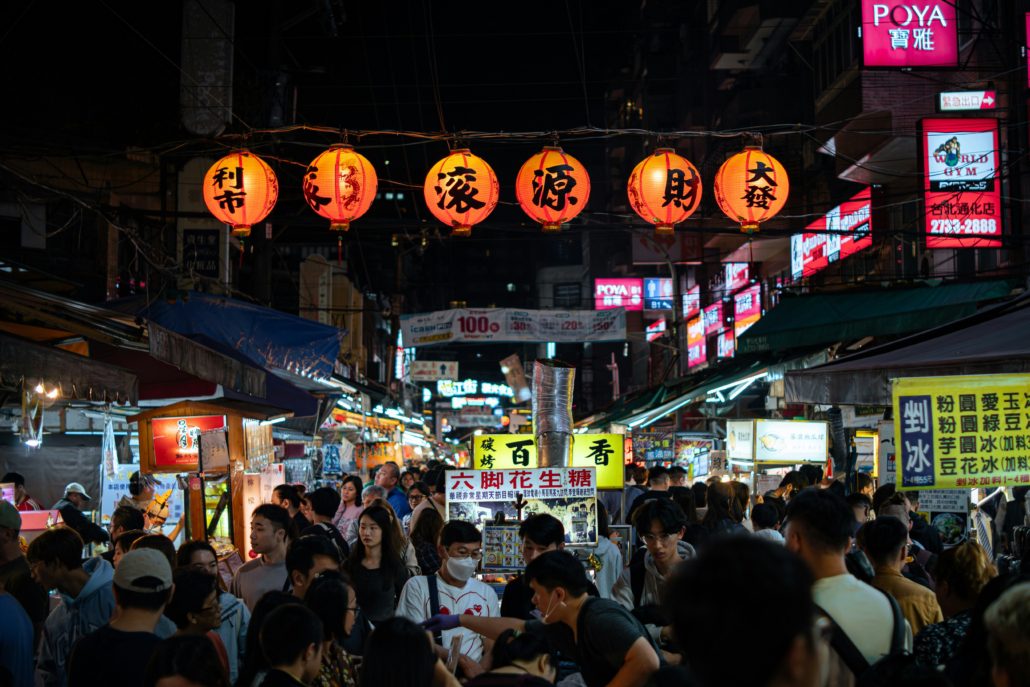 Over the last several decades, Taiwan has asserted itself on the world stage as a force for technological and industrial innovation, pumping the island’s small-but-mighty economy full of prosperity despite political tensions with its neighbor, mainland China. This is what the rest of the world sees, at least.
On the ground, however, working people are just trying to get by. Recently, both the government and local NGOs have been advocating for further poverty reduction in Taiwan.
Homelessness
While a 2023 TVBS news report states that the island holds a little more than 3,000 unhoused individuals, this is likely an understatement, as based on a Taiwan News piece, reports on poverty levels have historically been underreported. About 80% of homeless individuals actually work full- or part-time, but on average only bring in around $5,000 NTD per month.
The Working Poor
Similarly, Taiwan’s 2018 Low-income and Middle-income Family Living Condition Survey relayed that 70% of the poor population worked full-time, dead-end jobs. The Taiwan Social Welfare League reported officially that only 2.6% of the population was living beneath the poverty line, but 9% of people surveyed told the NGO that they believed they were actively impoverished.
In addition, studies have shown that the majority of impoverished households in Taiwan are single woman-led. Female-headed households under the poverty line actually jumped from 91,000 in 2013 to 110,000 in 2023. Gender-based wage gaps plague the Taiwanese workforce, seriously impacting women’s finances. Taiwanese feminist NGOs such as the Awakening Foundation have been advocating for gender equality in the workplace since the 1970s, pushing for more active enforcement of the Gender Equality in Employment Act. Lately, however, even more is being done on the part of the government for poverty reduction in Taiwan.
Good News in Government Assistance
While a 2021 study cited poverty issues stemming from the long list of prerequisites needed to apply for and receive government welfare, in late 2025, using national surplus money, Taiwan decidedly began practicing Basic Income initiatives. It provided cash handouts to every single citizen and eligible foreign resident, the latest provision a whopping $10,000 NTD, double the average monthly wage of homeless persons in Taiwan.
How an NGO Cares for Taiwan’s Homeless
To address homelessness, in 2011, a group of Taiwanese social workers came together to found the Homeless Taiwan Association. On top of providing basic outreach initiatives like handing out food and supplies to those on the street, Homeless Taiwan has built four transitional shelters, affordable urban housing units and hygienic shower centers for unhoused people. The organization also facilitates vocational training for those in need of work experience to further disrupt the cycle of homelessness and actively reduce poverty for Taiwanese people.
For its “Hidden Taipei” initiative, Homeless Taiwan hires ex-homeless individuals to give city tours to volunteers, highlighting the life stories of houseless people and how deeply intertwined the impoverished experience is with urban environments. Since the program’s genesis in 2014, “Hidden Taipei” tours and educational programs led by ex-homeless individuals have numbered in the hundreds, further destigmatizing and bringing to light the life of homeless people in Taiwan’s capital city.
Looking Ahead
For the average worker, Taiwan’s profits have often floated near the ceilings of the economy and have never “trickled down.” But recently, things like Basic Income initiatives have become a meaningful tribute to the means of production.
When paired with efforts from organizations like Homeless Taiwan, it is clear that Taiwan is becoming increasingly aware of its wealth gap, and is working to solve these issues through advocacy, fair wealth distribution, and assisting its homeless population.
– Aren Lau
Aren is based in Brooklyn, NY, USA and focuses on Good News and Politics for The Borgen Project.
Photo: Unsplash
