Promoting Clean Energy Access in India
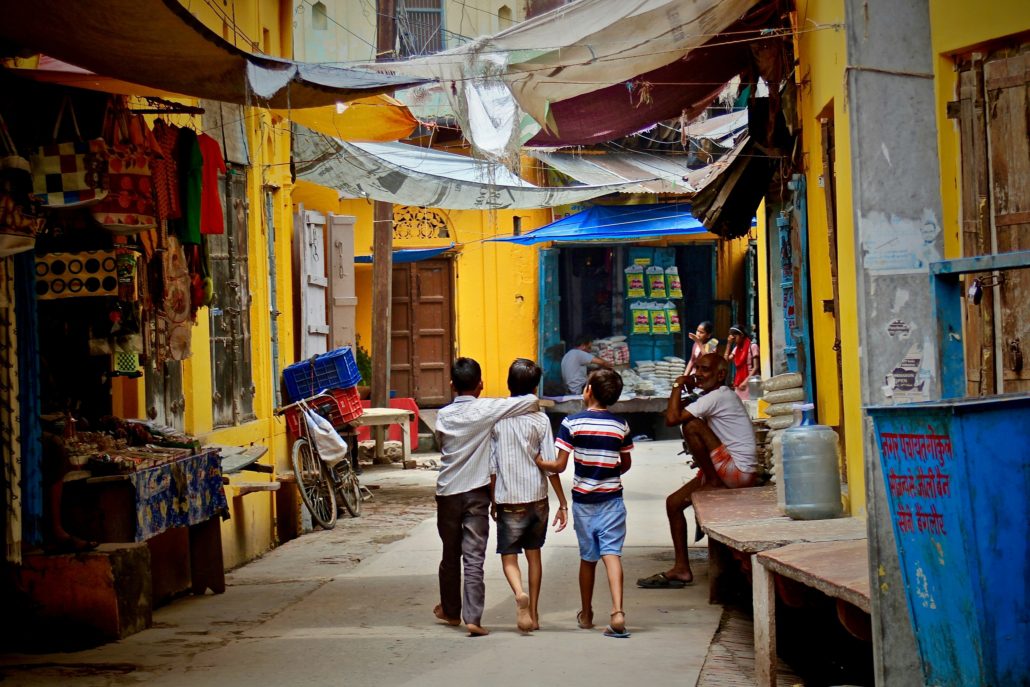 India’s urbanization presents both urgent challenges and a rare opportunity. According to the World Economic Forum, about 70% of India’s urban infrastructure required by 2047 has yet to be built. This means decisions made now about buildings, transport, clean energy access and city planning will shape whether India’s cities grow in a way that is cleaner, more affordable and more resilient for low-income communities. Here is more information about clean energy access in India and what initiatives are in place to achieve it.
Clean Energy Access as a Lifeline
For families living on low or irregular incomes, reliable electricity affects daily life in practical ways. It determines whether children can study after dark, whether small businesses can operate equipment, whether households can stay cool during extreme heat and whether families can safely access lighting, fans and phone charging. Promoting clean energy access is therefore not only an environmental goal. It is also a poverty-reduction strategy that can support health, education and economic opportunity.
India has made major progress in household electrification, but energy access is also about reliability, affordability and quality. The Council on Energy, Environment and Water found that 96.7% of Indian households were connected to the grid, with another 0.33% relying on off-grid electricity sources. However, the same survey found that 76% of households faced unanticipated supply interruptions, while two-thirds of rural households and two-fifths of urban households faced outages at least once a day. A third of households also reported at least one supply-quality issue, such as long blackouts, low voltage or appliance damage due to voltage fluctuations. For low-income households, these gaps can make electricity less dependable and more costly to use.
Why Clean Energy Access Remains a Pressing Challenge in India
Clean energy access is especially important in Indian cities because urban growth is increasing demand for electricity, cooling, transport and municipal services. WRI India notes that the residential sector’s share of India’s total electricity consumption rose from 4% in 1997 to 24% in 2019. The report also explains that cities can improve resilience through clean energy and energy-efficiency investments in buildings, transport and municipal services, which can improve reliability and affordability.
For households in poverty, unreliable or expensive electricity can affect schoolwork, home-based work, safety and comfort during heat waves. Promoting clean energy access through energy-efficient buildings, rooftop solar, solar water heating, LED streetlights and better demand-side management can help cities reduce costs while improving public services. However, WRI India also notes that urban poor and low-income communities have often been missing from city energy-transition planning, making it important for cities to design clean energy programs with equity in mind.
Poverty in India
India has reduced poverty significantly, but millions of people still face overlapping challenges. According to a Press Information Bureau factsheet citing NITI Aayog estimates, multidimensional poverty in India declined from 29.17% in 2013-14 to 11.28% in 2022-23, with about 24.82 crore people, or 248.2 million people, escaping multidimensional poverty during that period. The multidimensional poverty index measures deprivation across 12 weighted indicators connected to health, education and standard of living.
For people still living in poverty, daily life can include insecure work, crowded housing, limited access to quality health care, difficulty paying for utilities and vulnerability to shocks such as illness, heat waves or lost income. In cities, low-income households may also face long commutes, unsafe walking conditions, exposure to air pollution and unreliable electricity. Improving clean energy access and affordable transport can reduce these burdens by lowering costs, improving reliability and connecting people more easily to jobs, schools and services.
Sustainable Transport
Transport affects poverty because commute time, travel cost and air pollution all influence access to jobs, education and health care. In many cities, people rely on buses, walking or informal transport to reach work and services. If public transport is overcrowded, polluting or unreliable, low-income residents can lose time and income.
A TERI policy brief on modernizing urban fleets in India’s million-plus cities found that transport exhaust is one of the major contributors to city-level air pollution. The report studied the phaseout of 11.4 million older vehicles across 44 major Indian cities. It estimated that this transition could save about 5,517 million liters of petrol and 45,467 million liters of diesel by FY 2035-36, with oil-import savings of about Rs. 9.17 lakh crore. Under a full EV replacement scenario, TERI projected a cumulative reduction of 61 million tonnes of CO2 equivalent between FY 2030-31 and FY 2035-36. The report also estimated that fleet modernization could generate about 373,479 jobs under Scenario 1 between 2030 and 2035.
These findings show how sustainable transport and clean energy access in India can work together. Electric fleets reduce pollution most effectively when supported by clean power, charging infrastructure and renewable energy sources such as rooftop solar. Cleaner fleets can improve air quality while helping low-income commuters reach work, school and health care more safely and reliably.
Data-Driven Infrastructure
Data-driven planning can help cities identify where clean energy, transport and infrastructure investments will have the greatest impact. WRI India explains that the ClimateSMART Cities Assessment Framework required Smart Cities to share data with the Ministry of Housing and Urban Affairs on 28 indicators across five sectors, including energy and buildings. This kind of reporting can help cities track clean energy and energy-efficiency actions, compare progress and identify gaps.
In practice, data can help city governments decide where to install LED streetlights, improve bus routes, expand EV charging, prioritize energy-efficient public buildings and support neighborhoods facing high heat or pollution exposure. However, data should also be used to identify underserved communities. Without that focus, clean energy projects may improve citywide performance while missing the households most affected by unreliable electricity, high transport costs and climate risks.
City Examples
Bengaluru has taken steps to expand clean energy and energy efficiency through municipal and utility-led action. WRI India reports that BESCOM installed grid-connected rooftop solar photovoltaic systems across 123 government buildings, including schools, bus depots and courts. BESCOM also set up 136 EV charging stations at 74 locations across Bengaluru. In addition, ClimateSMART Cities Assessment Framework data showed that Bengaluru had achieved 88% conversion of streetlights to LEDs by 2020-21. These measures can improve municipal energy efficiency, support cleaner transport and reduce energy pressure on public services residents rely on.
Delhi has focused on rooftop solar, EVs and energy-efficiency measures. WRI India reports that Delhi’s Solar Policy 2023 received approval in January 2024 with a target of 4,500 MW by 2027. The policy provides generation-based incentives and an additional capital subsidy for rooftop solar installations. It also mandates rooftop solar photovoltaic systems on government buildings with a built-up area of 500 square meters. Delhi has also prioritized electric vehicles: its EV Cell was established in March 2022, and Delhi became the first Indian state to exceed 10% EV share in the market in February 2022. These actions matter for low-income residents because cleaner transport and distributed energy can reduce pollution, improve public services and support more reliable urban mobility.
Pune has made measurable progress on rooftop solar, solar water heating, LED streetlights and electric buses. WRI India reports that the local DISCOM, MSEDCL, had facilitated 259.93 MW of rooftop solar projects in Pune City as of July 2023. Pune also had 72,821 buildings with solar water heaters as of 2022-23. The city replaced 90,000 luminaires through the Pune Smart Street Light project and achieved 100% conversion of conventional streetlights to LEDs. Pune Municipal Corporation is targeting a 15% reduction in electricity consumption through an ESCO model covering streetlights, wastewater treatment plants and other municipal operations. Pune’s public transport agency operated 458 e-buses as of December 2023. These actions show how city-level clean energy access and sustainable transport can improve services while reducing pollution and energy waste.
Why This Matters for Poverty Reduction
Clean energy access, sustainable transport and better planning can reduce poverty-related burdens in several ways. More reliable electricity helps households study, work and stay safe during heat waves. Energy-efficient public services can lower municipal energy waste and improve service reliability. Cleaner buses and EV infrastructure can reduce pollution while helping workers reach jobs, schools and health care. Data-driven planning can help cities direct resources toward underserved neighborhoods instead of only improving already well-served areas.
These investments should be designed with low-income communities at the center. WRI India notes that equity and inclusion have received limited attention in many city energy-transition actions, with the urban poor and low-income communities often missing from the energy-transition landscape. Addressing that gap is essential. When clean energy access reaches people facing poverty, it can support lower costs, better health, safer mobility and stronger resilience to climate shocks.
Pathway Forward
India’s future urban infrastructure can either deepen inequality and pollution or help build cleaner, more inclusive cities. By promoting clean energy access in India, modernizing public transport and using data to target investments toward underserved communities, Indian cities could reduce emissions while improving daily life for people in poverty. The key is to make clean energy access reliable, affordable and connected to the needs of low-income residents. If cities prioritize equity as they grow, India’s urban transition could become a pathway to cleaner air, better services and broader economic opportunity.
– Josephine Dokpesi
Josephine is based in the United Kingdom and focuses on Technology and Solutions for The Borgen Project.
Photo: Unsplash
