Small Countries Reducing Poverty
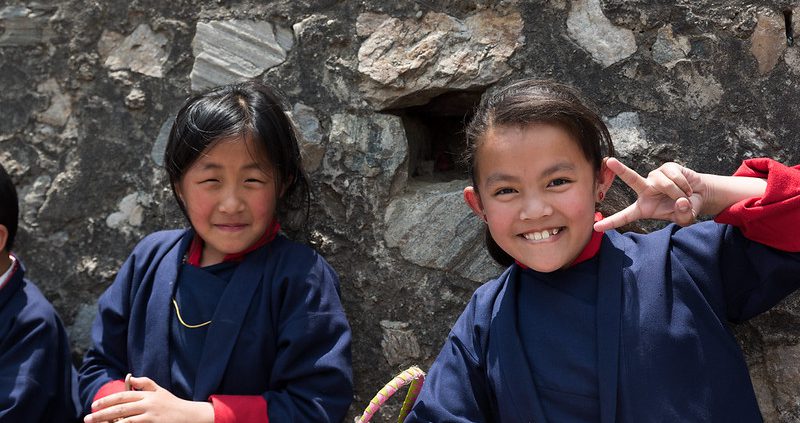 When people discuss global poverty reduction, they often focus on large economies like China or India. However, several smaller nations have achieved remarkable progress through targeted social programs, strong public investment and people-centered development strategies. These examples show how small countries reducing poverty can create meaningful change despite limited resources.
Many of these nations prioritize health care, education, environmental sustainability and social protection. Their success demonstrates that governments do not need massive populations or global economic dominance to improve quality of life and reduce poverty.
Costa Rica: Prioritizing People Over Military Spending
Costa Rica stands out as one of the strongest examples of a small country reducing poverty through long-term social investment. In 1948, Costa Rica abolished its military and redirected funding toward education, health care and public welfare.
This decision helped create one of the most stable social systems in Latin America. According to the World Bank, Costa Rica built a health care system that covers nearly the entire population while also maintaining high literacy and life expectancy rates.
Costa Rica also invested heavily in rural electrification, clean water access and environmental protection. The country now generates most of its electricity from renewable energy sources, which supports sustainable economic growth.
These policies reduced poverty while improving public health and economic opportunity. Costa Rica proves that governments can strengthen human development when they prioritize social investment over military expansion.
Uruguay: Building Strong Social Protection Systems
Another example of a small country reducing poverty is Uruguay. Although Uruguay has a relatively small population, it developed one of the strongest welfare systems in Latin America. The government expanded pensions, unemployment support and health care coverage while increasing access to education. Uruguay also implemented labor protections that strengthened wages and worker rights.
According to the Center for Economic and Policy Research, Uruguay consistently ranks among the countries with the lowest poverty and inequality levels in the region.
Uruguay’s economic strategy also focused on inclusion. Rather than concentrating growth among elites, policymakers expanded benefits to lower-income households and rural communities. This approach increased economic stability and reduced vulnerability during financial downturns.
The country demonstrates how democratic institutions and social spending can help small nations achieve lasting poverty reduction.
Bhutan: Progress Beyond Economic Growth
Bhutan offers a unique insight into how small countries reduce poverty as it measures national success differently from most countries. Instead of focusing only on Gross Domestic Product (GDP), Bhutan promotes the concept of Gross National Happiness (GNH). This concept emphasizes sustainable development, cultural preservation, environmental conservation and good governance. While Bhutan still faces economic challenges, the country has significantly reduced poverty over the last two decades.
According to the World Bank, Bhutan reduced poverty from 23.2% in 2007 to 8.2% in 2017 through investments in infrastructure, agriculture and social services.
Bhutan expanded road networks, improved rural health care access and increased school enrollment across remote communities. Hydropower exports also generated revenue that supported public programs.
This country’s development model shows that economic progress does not need to come at the expense of environmental sustainability or social well-being.
Mauritius: Diversifying Economy
Mauritius transformed itself from a low-income agricultural economy into an upper-middle-income country through diversification and investment in human capital. During the ’60s, many predicted economic difficulties because Mauritius relied heavily on sugar exports. However, the government expanded into tourism, manufacturing and financial services while investing in education and infrastructure.
The World Bank credits Mauritius with maintaining strong growth and reducing poverty through inclusive economic reform.
Mauritius also developed trade partnerships and encouraged foreign investment, which created jobs and increased income opportunities. Free education and health care strengthened social mobility and supported long-term development.
The country’s success demonstrates how smaller economies can adapt and compete globally through strategic planning and inclusive growth, moving itself away from the effects of poverty.
Important Lessons from Small Nations
The successes of these countries reveal several patterns behind small countries reducing poverty: Governments invested in health care and education. Leaders prioritized long-term human development. Social protection systems supported vulnerable populations. Economic growth reached rural and low-income communities. Policymakers emphasized sustainability and inclusion.
These nations also adapted policies to fit local conditions rather than copying outside models without modification. These examples are important to highlight because they demonstrate that poverty reduction remains available with the right policies and political commitment.
Global poverty still affects hundreds of millions of people, but the achievements of these smaller nations provide hope and practical guidance for others to follow. As governments continue to work toward the U.N.’s Sustainable Development Goals (SDGs), these examples of small countries reducing poverty remind the world that size does not determine impact. Strong social policies, inclusive economic growth and investment in people can help nations build a more equitable future.
– Leah Denning
Leah is based in Bristol, UK and focuses on Good News and Politics for The Borgen Project.
Photo: Flickr
