School Readiness: Early Childhood Education in Ghana
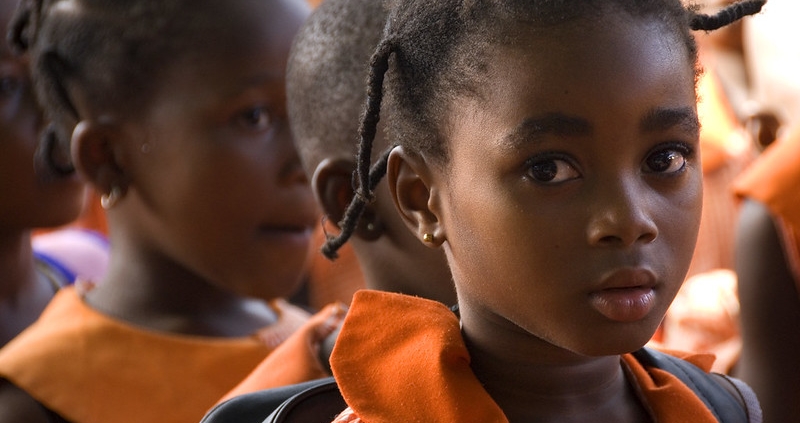 Investing in early childhood education is one of the most effective ways to support long-term development. Research shows that experiences during the early years play a critical role in shaping how children learn, communicate and interact with others, influencing their future health, behavior and economic opportunities. In early learning settings, young children begin to develop basic literacy and numeracy skills while also learning how to engage with peers and participate in structured environments.
These foundational experiences help children transition more successfully into elementary school. However, access remains unequal, particularly in low-income contexts, where many children miss out on early learning opportunities. Expanding early childhood education in Ghana reflects a broader effort to ensure that more children benefit from a strong start.
Expanding Access Through Free Kindergarten
A central feature of early childhood education in Ghana is the integration of two years of free and compulsory kindergarten into the national basic education system. This policy ensures that children ages 4 to 5 have access to structured early learning before entering primary school, helping them develop foundational skills in literacy, numeracy and social interaction. By making kindergarten part of compulsory education, Ghana recognizes early learning as an essential stage rather than an optional step, strengthening school readiness nationwide.
Recent national efforts continue to build on this foundation by improving coordination across sectors and expanding inclusive services that support young children’s development and well-being.
Ongoing Challenges in Early Childhood Education
Despite strong national policies, early childhood education in Ghana continues to face several challenges that affect both access and quality. Shortages of trained kindergarten teachers remain a concern, along with limited teaching and learning materials in many classrooms. In some areas, infrastructure is inadequate to support young learners and classrooms can be overcrowded.
There are also gaps in coordination between institutions and limited data at local levels, making it harder to plan effectively. In addition, family and community engagement is not always consistent and children in rural or underserved areas are less likely to benefit fully from early learning opportunities.
Strengthening Quality Through Teacher Support
Improving the quality of early childhood education in Ghana has become a key priority alongside expanding access. National and international partners support teacher training initiatives to improve classroom practices and learning outcomes. For example, Sabre Education works with kindergarten teachers in Ghana to provide training and ongoing support in delivering the national curriculum through structured, play-based learning.
This approach helps teachers use guided activities and classroom materials to support early literacy and numeracy development. These efforts show how targeted teacher support can strengthen daily learning experiences and improve school readiness.
Building a Strong Foundation for the Future
The progress of early childhood development in Ghana shows how sustained policy commitment and targeted support can improve school readiness and long-term outcomes. By making kindergarten free and compulsory and investing in teacher training and system coordination, Ghana is strengthening the foundation of its education system. While challenges remain, continued efforts to expand access and improve quality can help ensure that more children enter elementary school prepared to learn and succeed.
– Isil Ertas Senturk
Isil is based in Oakville, Ontario, Canada and focuses on Good News for The Borgen Project.
Photo: Flickr
