How Solar-Powered Irrigation Supports Farmers in Northern Ghana
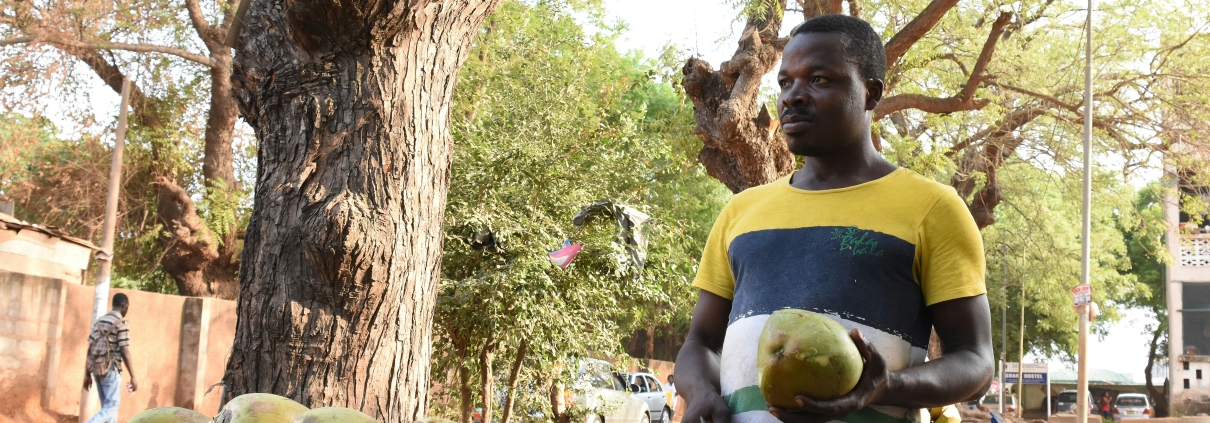 Solar-powered irrigation is supporting farmers in northern Ghana, highlighting an innovative solution to agricultural challenges in rural areas. In regions where inconsistent rainfall and limited infrastructure restrict farming, solar-powered irrigation systems are helping smallholder farmers improve crop production and increase income.
Challenges Facing Agriculture in Northern Ghana
In northern Ghana, agriculture is a primary source of income for many households. However, farming is often heavily dependent on seasonal rainfall, making it difficult for farmers to maintain consistent crop yields. Periods of drought or irregular rainfall can significantly reduce production, leading to food insecurity and financial instability.
Without reliable irrigation, many farmers are limited to a single growing season each year, thereby restricting both productivity and income opportunities. For many farmers, the lack of irrigation also creates financial barriers, as fuel-powered pumps are often too expensive to operate. This forces smallholder farmers to rely on rain-fed agriculture, limiting their ability to farm year-round.
Solar-Powered Irrigation as a Solution
To address these challenges, solar-powered irrigation systems are being introduced as sustainable, cost-effective solutions in Ghana. These systems use solar panels to power water pumps, allowing farmers to access water without relying on expensive fuel. Evidence from Ghana shows that these systems have “led to greater yields, increased income for farmers and a generally improved food security situation.”
By reducing dependence on diesel pumps, these systems also lower operational costs and provide a more sustainable alternative for smallholder farmers. As a result, they provide a reliable and long-term solution to the challenges facing agriculture in northern Ghana. According to the United Nations Development Programme (UNDP), “the intervention is not only providing them more income, but it is also helping to improve the nutrition of their households because of the increased yields and the ability to produce food crops throughout the year.”
It emphasizes the contrast between traditional challenges and the benefits of improved irrigation systems.
Increasing Productivity and Income
Access to reliable irrigation has significantly improved agricultural productivity in northern Ghana. In one example, a farmer supported by a UNDP initiative expanded production from one harvest per year to multiple growing cycles, increasing both yields and income. The impact of solar-powered irrigation on farmers in northern Ghana is also reflected in broader academic findings.
As stated in the study “Economic and Food Security Effects of Small-Scale Irrigation Technologies in Northern Ghana,” “Small-scale irrigation (SSI) technologies can be useful not only to increase crop productivity and income but also as a viable adaptation practice to climate variability.” The same study further explains that adoption of SSI technologies can lead to substantial economic gains. Results show that “adoption of the SSI technologies could increase the net farm profit by 154%–608% against the baseline depending on the ‘crop type – SSI technology’ combination.”
Building Resilient Communities
Beyond individual farms, solar-powered irrigation contributes to broader social resilience. By stabilizing food production, these systems reduce vulnerability to economic shocks and seasonal shortages. They also create employment opportunities and support local economies.
Programs supporting solar irrigation in Ghana often include training and technical assistance to help farmers effectively use and maintain the systems. As these initiatives expand, they have the potential to reach more communities and further reduce poverty.
Conclusion
Solar-powered irrigation offers a practical and sustainable solution to agricultural challenges in northern Ghana. By increasing crop yields, improving food security and reducing costs, these systems play a key role in supporting farmers and strengthening rural economies. Continued investment in solar irrigation technology could further expand its impact and help reduce poverty across vulnerable communities.
– Grelby Santos
Grelby is based in Boston, MA, USA and focuses on Technology and Solutions for The Borgen Project.
Photo: Unsplash
