How Childcare in the Republic of the Congo Fights Poverty
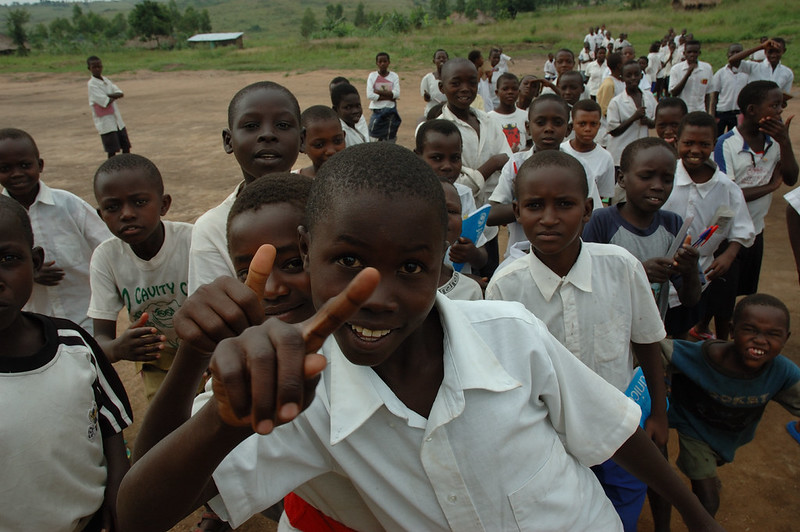 Childcare in the Republic of the Congo, also known as Congo-Brazzaville, is becoming more than just a family problem. It is also emerging as a poverty-reduction strategy. In a nation where only 36% of children ages 3 to 4 attend an early education program, many parents experience the difficult task of choosing between earning an income to support their families or staying home with their young children. UNICEF also reports that approximately 41% of children under 5 are either left at home by themselves or under the care of another sibling under the age of 10 for hours at a time on a weekly basis, displaying how large the care gap remains currently.
Why the Childcare Gap Harms Families
Regarding parents from low-income backgrounds, especially market workers and small-scale entrepreneurs, this gap decreases the earnings they can receive. For instance, a World Bank blog published in 2025 on the Republic of the Congo states that the average parent has more than four children, while conventional childcare options are limited and private daycare can cost more than $100 a month. This arrangement is far beyond what the majority of parents can afford to support, especially while living under an economy whose recent growth has not resulted in significant poverty reduction or diversified job creation.
These burdens faced by most parents help explain why childcare in the Republic of the Congo is important when it comes to poverty reduction. When parents lack reliable care for their children, they end up losing working hours, are forced to reject business opportunities or have to keep their older children home to look after their younger siblings. The World Bank’s childcare research says that greater access to quality care results in women getting more employment opportunities, personal productivity, child outcomes, family welfare, business performance and the economy overall.
A Pilot Built Around Mamapreneurs
A recent pilot created under the Social Protection and Productive Inclusion of Youth (PISPJ) project is testing this idea in the Republic of the Congo. Implemented through the Ministry of Social Affairs, Solidarity and Humanitarian Action and MEDRAC Africa, and inspired by the Kidogo Initiative in Kenya, the program trains women as “mamapreneurs” who can assist with operating community crèches, or daycares, in predominantly working-class market neighborhoods. The program combines early childhood development with entrepreneurship, first aid, safety and child protection.
According to a November 2025 World Bank feature, the first cohort participated in training 16 women. Two community nurseries opened in market areas: one located at the Soukissa market in July 2025 and another at the Total market in Bacongo, which opened three months later in October. These centers provide affordable care options for low-income parents, and demand exceeded expectations quickly, with enrollment increasing beyond planned capacity at both sites within only two weeks.
A Solution With Staying Power
What makes childcare in the Republic of the Congo stand out is that this pilot is trying to resolve multiple problems all at one time. The crèches provide vendors and other workers with a safer place to leave their children during the daytime. They also create jobs for trained women and have aided in developing the school readiness of children through structured and play-based care. World Bank staff have described this model as a “triple bottom line” investment because it has the power to support entrepreneurs, children and parents’ productivity altogether.
The pilot is also focusing on the system behind the provided service through partners developing real-life quality standards for new daycare centers, organizing coaching visits and adding safety measures like first-aid and fire safety training. The World Bank’s most current implementation report shows that the broader PISPJ project is still active and is scheduled to run through June 2027, giving the childcare model additional time to flourish if results remain strong.
Looking Ahead
Childcare in the Republic of the Congo may not be enough to end poverty in the nation by itself. However, the Brazzaville pilot demonstrates how one service can make life easier for lower-income parents while also opening up new economic space for women. If both the government and its partners continue to increase the amount of affordable crèches in markets and other low-income neighborhoods, childcare could become one of the nation’s realistic tools for supporting work, making sure children are safe and helping families have more stability within their lives.
– Ashirah Newton
Ashirah is based in Brooklyn, NY, USA and focuses on Good News and Global Health for The Borgen Project.
Photo: Flickr
