Transformation of Education in Zimbabwe
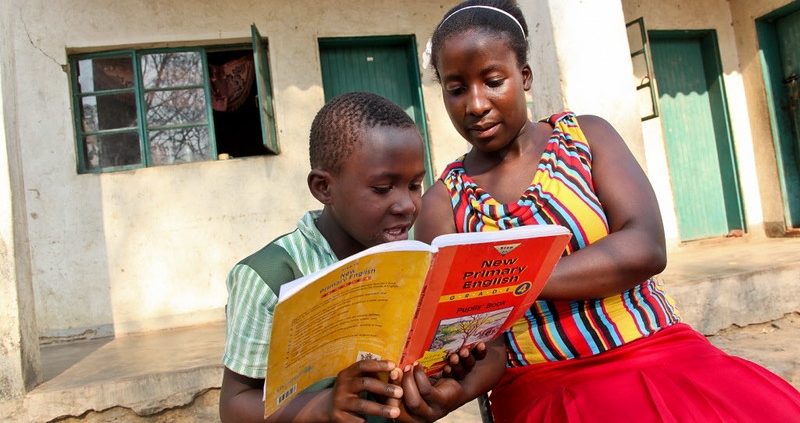 Zimbabwe, with a population of more than 17 million and 38.3% living below the poverty line, centers its national poverty reduction on education. President Emmerson Mnangagwa claims that strategies have already halved poverty, illustrating the country’s commitment to learning-driven change.
Early Childhood Development
The Zimbabwe Network of Early Development Actors (ZINECDA) develops children from conception to age 8. The organization shares and generates knowledge about formative years, runs training workshops and distributes information sheets to positively impact young children’s lives. Since 2012, ZINECDA has impacted the lives of more than 20,000 children.
This highlights why education in Zimbabwe plays an integral role in eradicating poverty, as early access to learning helps children develop vital, transferable skills.
The BEAM Initiative
The Basic Education Assistance Module (BEAM) initiative supports education in Zimbabwe, especially for the most vulnerable children, such as orphans and young carers. In 2025, the initiative planned to cover funds and fees for 1.5 million children across the country.
This demonstrates the direct correlation between education and poverty. Government-funded support opens opportunities for the most vulnerable, making education accessible where it was once out of reach. Zimbabwe’s high literacy rate of 93% reflects this progress.
Angeline Gata
The Primary and Secondary Education Deputy Minister, Angeline Gata, has transformed education in Zimbabwe. She shifted the focus from exam-based learning to skill-based learning, which she believes creates lifelong, employment-ready skills. Gata encourages Zimbabwean youth by saying, “Skills pay, so make sure you invest in them.”
By prioritizing digital literacy and entrepreneurship, she helps young people become adaptable adults who can enter employment and live above the poverty line. Overall, she introduces innovative reforms that prioritize young people’s ideas, unlike previous changes that lacked consultation with those affected. By consulting young people and creating reforms they care about, she keeps them engaged.
Global Partnership Education
The Global Partnership for Education (GPE) works to improve the quality of education in Zimbabwe. Its efforts ensure that the Zimbabwean government allocates 21% of its expenditure to education and that two-thirds of Zimbabwean children reach at least the lower secondary school level. GPE also works to fully train 98% of primary teachers, raising education quality.
GPE also focuses on girls’ education, challenging gender norms that keep young girls from attending school. With a $40.9 million grant from UNICEF and CAMFED dedicated to women’s education until 2026, GPE aims to give young girls in Zimbabwe the same opportunities as their male counterparts.
Looking Ahead
Zimbabwe’s focus on education promises to reduce poverty in the future. The government targets youth, aiming to break the poverty cycle, especially through the BEAM initiative’s support for the neediest children. Education, especially skills-based learning, develops transferable skills essential for gaining and keeping employment.
By recognizing gender imbalances and investing in youth, Zimbabwe encourages young people to become innovators of change and empowers everyone to build a life outside of poverty. These reforms provide a lifeline for Zimbabwe’s most underserved children and open doors that would have otherwise remained closed.
– Caitlin Cooper
Caitlin is based in Aberdeen, Scotland and focuses on Global Health and Politics for The Borgen Project.
Photo: Flickr
