Ambitious Plans: Poverty Reduction in Indonesia
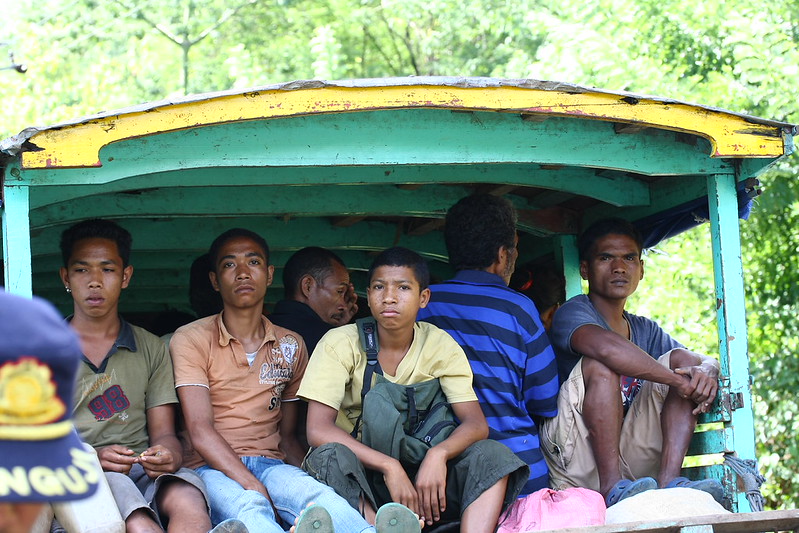 Indonesia has created a plan to reduce its poverty levels, with the goal of reaching nearly zero percent of citizens living in poverty by the end of 2026. Local leaders have set plans in motion to achieve poverty reduction in Indonesia. These plans include providing social assistance to struggling families to ensure they obtain access to funds and resources, opening tens of thousands of local schools across Indonesia to increase access to education, and adjusting budgets to provide room for new jobs, food aid and reducing carbon emissions.
Indonesia’s Economic Landscape
Composed of more than 17,000 islands, Indonesia is the most populous country in Southeast Asia and the fourth most populous in the world. Indonesia has maintained a stable economy over the years, known for its role in managing imports. However, approximately 24.8 million people, or 8.7% of the population, were considered poor as of early 2025. Indonesia aims to target extreme poverty, planning to reduce the percentage to 7% by 2026 and 4.5% by 2029. Indonesia also plans for economic growth to increase by 5.4% to 6% over the next year to support poverty reduction in Indonesia.
Tracking Poverty Through Data
To ensure that these changes hold, Indonesia has launched the National Socio-Economic Single Data System (DTSEN), a method used to identify citizens who live below the poverty line and need social support so that assistance can be provided. The database allows for the distribution of resources to those who need them. The DTSEN provides access to food aid, health insurance and services to those who are struggling. This effort, which involves cooperation from the government as well as various social groups, seeks to benefit citizens’ well-being and increase poverty reduction in Indonesia.
Expanding Access to Education
One of the most notable parts of Indonesia’s plan is the construction of more than 70,000 school units over the course of 2026. Education is a strong focus within Indonesia’s goal to reduce regional poverty through the Indonesia Bright Program (PIP), which offers funding for hundreds of thousands of young students. The program intends not only to raise educational opportunities for young students but also to ensure that the units being built meet high-quality standards, addressing issues such as poor building structures, leaky roofs and a lack of sanitation within schools.
Budgetary Reform and Land Allocation
To make these changes work, leaders met in December 2025 to propose a new strategic framework that allows citizens to access more equal opportunities and provides those who are struggling with the resources they need. Indonesia also plans to allocate state-owned land to more than 1 million poor families in another effort to reduce poverty in the country.
Looking Ahead
Indonesia’s plan to reduce poverty by the end of 2026 is ambitious but has shown early progress. By investing in social assistance, education and economic reform, poverty reduction in Indonesia can move from a goal to a measurable outcome.
– Will Mancuso
Will is based in Lake Mary, FL, USA and focuses on Good News and Technology for The Borgen Project.
Photo: Flickr
