Protecting the Aka People From the Brink of Poverty
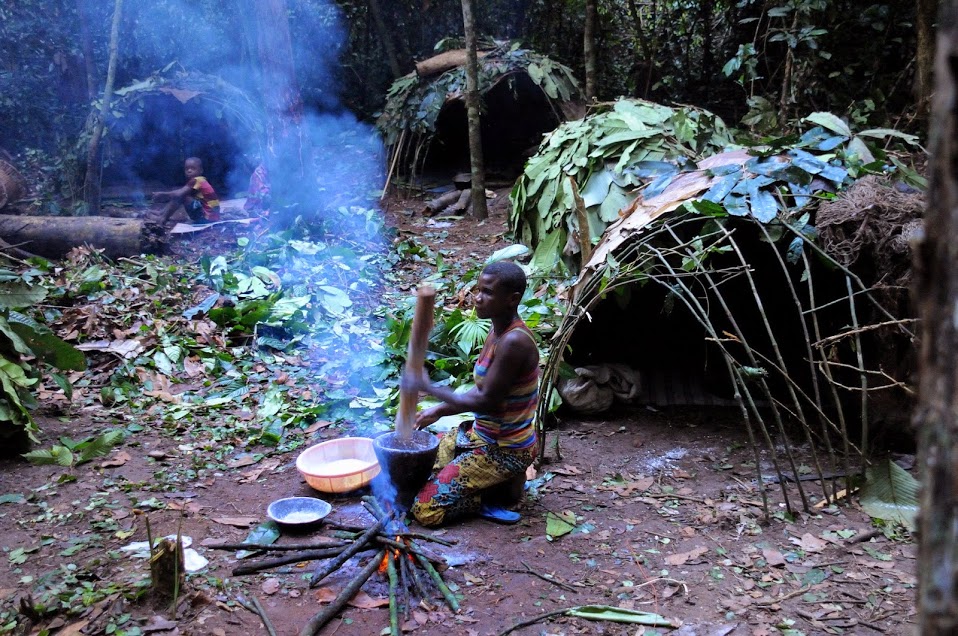 The Central African Republic (CAR) has, in large part, become a place that is forgotten by most of the world. For years, it has dealt with drastic political instability, which has left most of the population with little to no access to education, health care or a stable income. Per the World Bank, two-thirds of CAR’s population live in extreme poverty, nearly 67.7%. Families survive on only a few dollars every day and rural communities often lack even the most basic public services.
Living in the Forest: The Aka Culture and Knowledge
While CAR is home to many ethnic groups, the Ba’ka people have been especially left behind. They have lived in harmony with nature for centuries, possessing ecological knowledge that modern conservationists are only beginning to understand. Today, they face the same national challenges as others, often at a greater cost, experiencing deeper and more persistent exclusion.
The Ba’ka have built their culture around hunting and tracking. Aka hunters follow animals by interpreting subtle signs in the soil and on the forest floor. Women gather medicinal plants, edible roots and wild vegetables. This knowledge is carefully passed down through generations.
Trapped in Cycles of Exploitation
Modernization and land pressures are increasingly disrupting the Aka people’s way of life. Logging, conservation zoning and agricultural expansion reduce the land available for traditional practices. As forests shrink, Aka families often move closer to roadside settlements, where discrimination and economic exploitation are common.
Many Aka people in CAR report unequal labor arrangements with neighboring farming communities. In some cases, families work in fields or perform domestic labor in exchange for food, used clothing or small goods rather than fair wages. These informal arrangements trap families in intergenerational debt and create long-term dependency.
How the WWF Has Helped Aka Communities
The remote nature of many Aka communities leaves them largely invisible and without formal identity. However, international organizations like the World Wildlife Fund (WWF) and private NGOs have stepped in to help protect the Ba’ka from extreme poverty, providing employment opportunities and other essential resources. A particularly valuable resource for the Aka has been their deep ecological knowledge.
Their expertise in tracking wildlife and monitoring poaching is often relied upon by the WWF and other conservation groups. This knowledge has allowed the Aka to secure employment outside the traditional debt-trap cycle.
Hope for the Aka People
The lack of documentation makes Aka communities statistically invisible. When governments and international organizations allocate resources, unregistered individuals often fall outside official counts. To address this gap, many NGOs have launched mobile civil registration campaigns that travel directly to remote forest regions in CAR, helping families obtain legal citizenship and birth certificates.
UNICEF leads the most extensive mobile registration effort across the Congo Basin through the No Name Campaign, which aims to ensure every child can gain citizenship. In February 2026, UNICEF reported that it has distributed birth documents to more than 1,000 schoolchildren.
A young boy named Azor received his certificate during this drive. Previously, he could not sit for his primary school exams; thanks to UNICEF’s efforts, he can now dream of one day traveling internationally to watch football.
– Haydn Goodboy
Haydn is based in MA, USA and focuses on Good News for The Borgen Project.
Photo: Wikipedia Commons
