From Opium to Opportunity: Reducing Poverty in Northern Thailand
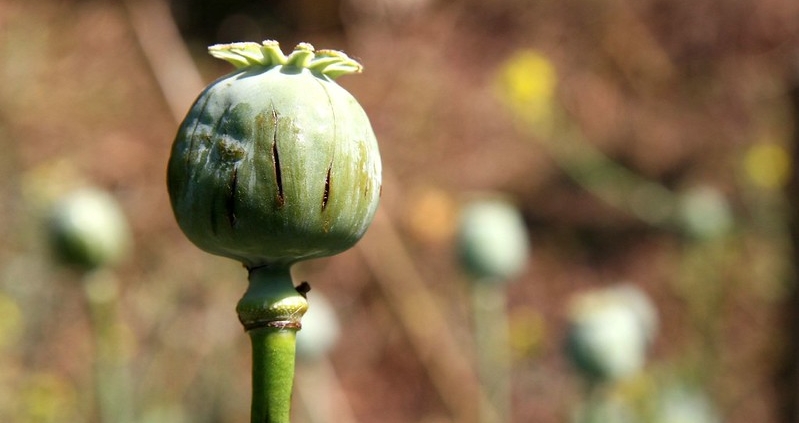 During the 20th century, the Golden Triangle, the region where Thailand, Myanmar and Laos meet, became infamous for its opium production. Northern Thailand’s farmers relied heavily on the opium poppy as the foundation of their livelihoods. Unfortunately, this dependence on opium also entrenched poverty in these rural communities.
To address this, the Thai government has worked to reduce poverty in the region and promote alternative livelihoods through agriculture, coffee cultivation and tourism. The Royal Project Foundation, launched as the Royal Hill Tribe Assistance Project in 1969, has fundamentally transformed the way of life for the hill tribes and villages. Today, visitors can explore villages in provinces such as Chiang Mai and Chiang Rai to see how indigenous communities and migrant ethnic groups have embraced the government’s initiative.
Poverty in Northern Thailand
In recent years, Thailand has made notable progress in reducing poverty. Measured against the $8.30-per-day upper middle-income poverty line, the country’s poverty rate was 9.9% in 2023. However, high income inequality and regional disparities remain persistent challenges.
Poverty disproportionately affects agricultural communities due to the country’s reliance on farming jobs. According to the World Bank’s “Rural Income Diagnostic,” 79% of Thailand’s impoverished population lives in rural areas. Northern Thailand, in particular, continues to face heightened poverty levels; in 2013, the rural poverty rate in the region was around 17.8%, compared to 6.7% in central Thailand.
Within this context, the region’s hill tribes and villages continue to navigate economic challenges.
The King’s Vision: Peaches and Agriculture
In 1969, His Majesty King Bhumibol Adulyadej visited Doi Pui, a mountainous village in Chiang Mai and home to the Hmong tribe. Like many rural communities at the time, the Hmong were heavily involved in growing drug crops and participating in the opium trade, resulting in low incomes and poor living conditions. Recognizing these challenges, the King proposed a new agricultural model focused on fruit trees, specifically peaches.
This shift aimed to address the legal issues surrounding opium production, reduce local poverty and curb deforestation. “One of the reasons underlying the creation of the project was humanitarianism,” stated the King. The visit to Doi-Pui gave the King a vision he could apply to northern Thailand as a whole. He promptly initiated the Royal Project to help alleviate poverty across the region.
Obstacles and the Royal Project Foundation Today
Nearly 60 years later, the Royal Project Foundation continues to operate across five northern provinces, benefiting as many as 37,561 farming families. Its progress was far from linear, as the project faced significant obstacles in its early years. The first attempts to grow fruit trees failed, requiring collaboration with experts from Taiwan and experiments to adapt to northern Thailand’s unique climate before successful cultivation could be achieved.
As the project has progressed, tourism has become an integral part of the initiative, with visitors coming to see the cultivation of tea, fruit and coffee, as well as reforestation projects. Today, the project has transformed the incomes of its people and has significantly reduced poverty in northern Thailand.
Conclusion
The King’s blueprint for a prosperous countryside in northern Thailand, one where the people could work in tandem with the earth to support themselves, is an exceptional example of vision yielding tangible change. The lives of those who once relied on opium production to survive have been fundamentally transformed by a targeted poverty reduction project centered on sustainable agriculture and economic opportunity. Northern Thailand stands as an exemplary global showcase of what effort and initiative can achieve.
– Polly Laws
Polly is based in Cardiff, Wales and focuses on Good News and Politics for The Borgen Project.
Photo: Flickr
