Fighting Poverty Through Education in Latin America
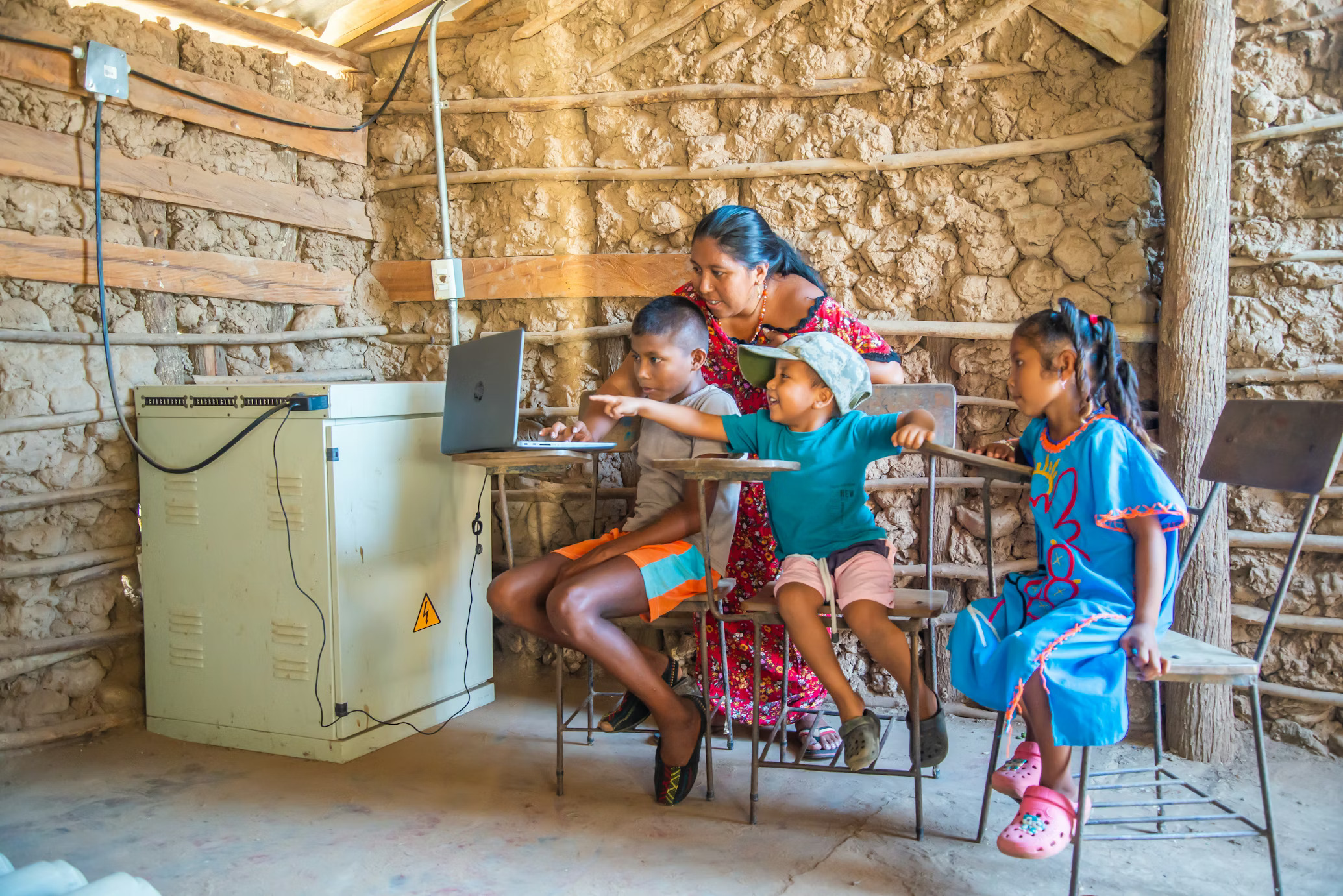 When thinking about their childhood, most people remember their first day of school, learning their ABCs and basic math operations. For most, childhood and education go hand in hand as essential steps that help an individual learn, mature and transition into adulthood. However, many children in Latin America lack access to this experience.
Before COVID-19, roughly 52% of children in Latin America were unable to read and understand simple text. The pandemic has made this situation even worse, with young generations being less educated and lacking the tools necessary to transition into adulthood. However, international organizations are fighting poverty through younger generations by increasing investments in education to create a brighter future for millions of children across Latin America.
Learning Crisis
Over the last two decades, many countries in Latin America have experienced a learning crisis related to their younger generations. This crisis can take different forms across countries, depending on their specific geographic and social characteristics. In Argentina, for example, the most affected children are those living in rural areas, far from cities and their services.
As a result, many teachers are forced to teach children from multiple grades, ages and abilities in the same classroom, being unable to personalize the learning experience and focus on individual students. In other countries, such as Haiti, the learning crisis is related to the provision of educational opportunities to all members of the population.
In Haiti specifically, nearly 80% of primary schools are non-public, thus limiting access to education to those who can pay, on average, $130 per year. Many families cannot afford education and other necessities, so they decide not to send their children to school.
What Is Being Done?
To address the education crisis plaguing Latin America, several international organizations have stepped up efforts to expand access to education across the region. In September 2025, the Development Bank of Latin America and the Caribbean (CAF) launched the LAC Future Bank. It is a five-year strategy designed to benefit 50 million children in Latin America through a $5 billion regional investment.
These funds will be used to develop projects that prioritize children and their needs, including education. Although this initiative addresses other issues related to childhood well-being, education is a main area of focus to “break cycles of poverty and inequality.” In Haiti, programs and organizations, such as the International Development Association (IDA) and its partners, have focused primarily on funding for millions of children.
From 2013 to 2023, IDA and partner organizations provided roughly half a million tuition waivers to children who could not afford to attend school. In other countries, such as El Salvador, projects like the “Growing up and Learning Together: Comprehensive Early Childhood Development Project” are working to create safe, clean schools with essential services for children.
The Impacts
Although it is difficult to measure the effectiveness of these investments in the short term, there have been early signs of improvement. World Bank investments have enabled middle-income countries to reduce their dropout rates and boost learning outcomes. Slowly but surely, improvements in education quality and access in Latin America are key to a more productive, inclusive and sustainable development pattern in the future for many countries across the region.
– Rodrigo Salgado
Rodrigo is based in Boulder, CO, USA and focuses on Good News for The Borgen Project.
Photo: Unsplash
