GFDRR: Disaster Preparedness in the Caribbean
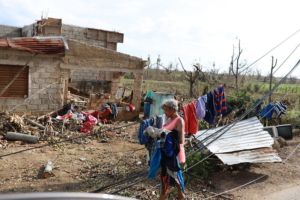 Hurricanes are a yearly occurrence in the Caribbean, primarily due to the islands’ location near the equator. With hurricane season spanning from June to November, these months pose the highest risk for destruction and impact, from the Bahamas to Venezuela. In October, Hurricane Melissa was no different, as it caused widespread destruction from Jamaica to Bermuda. What this storm revealed is the importance of international support in the Caribbean.
Hurricane Melissa
On October 28, Hurricane Melissa made its first landfall in Jamaica as a Category 5 storm. Wind speeds reached 185 mph, significantly affecting parishes such as St. Elizabeth and Westmoreland. Buildings were destroyed, including schools, homes, major airports and hospitals.
Subsequently, the storm downgraded to a Category 3 storm as it made landfall in Cuba several days later. Preparation in such a short amount of time proved fruitless, as the hurricane caused millions of dollars in damage and killed more than 90 people across the countries impacted. In the aftermath of the storm, more than 150 communities remain without access to stable shelters and electricity.
The outpouring of heartwarming words and international support in the Caribbean has been influential. Many countries, such as the United States and Canada, have donated millions of dollars to support rebuilding efforts and help life return to normal. Organizations like the World Central Kitchen and Airlink have provided emergency services and meals to communities in dire need. The effort to rebuild has been commendable, but these services often come after the storm has caused damage, rather than providing preventive help to countries.
CARICOM
The Caribbean Community (CARICOM) comprises 15 states in total. This body facilitates the best economic development for the participating countries and establishes a single market and economy. The body also aids the countries against disasters and events that affect their islands.
Organizations like the Caribbean Disaster Emergency Management Agency (CDEMA) collaborate with CARICOM to assist communities when needed. Aid has been provided to Jamaica and Haiti in the aftermath of the storm. At the same time, Cuba has received assistance from nearby countries.
The ambassadors of CARICOM have been providing information on events across the impacted states. On the YouTube channel, Comissiong Chambers, Ambassador David Comissiong describes the unique experiences of the countries within CARICOM following the hurricane. When speaking about how much it can take for initial relief efforts and reinforcements for each island, Commissiong stated, “150 million and 90 million, that is just to kickstart the relief effort when you’re talking about reconstruction for Jamaica, Cuba, Haiti. We are actually talking billions of dollars. So we have a long, long road ahead of us and all of us in the Caribbean have to contribute to that.”
These respective amounts are not enough to rebuild the number of structures destroyed across the islands. In addition, relief efforts will not provide long-term, sustainable solutions to benefit Jamaica, Haiti and Cuba in the event of future disasters. Monetary aid and loans will be necessary after this disaster if international support in the Caribbean is not also dedicated to establishing long-standing services and practices for improved support.
Long-Term Prevention
Different measures can be implemented across these islands, but they depend largely on the level of funding provided to governments.
Infrastructure can be rebuilt or reinforced to withstand Category 5 storms and other natural disasters. More durable materials should replace zinc roofing, which is often blown away by high-speed winds. Shelters should not be established only in the immediate lead-up to major events. However, they should be maintained as safe havens year-round.
Power lines and water reservoirs should be protected in ways that prevent power loss and contamination of water supplies for communities. For example, power lines can be buried underground if needed. Natural defenses, such as forests and mangroves, should be protected to prevent landslides and flooding. Lastly, financial independence should be a main priority for future events.
This can be seen in Jamaica’s catastrophe bond, established with the World Bank to release $150 million in the aftermath of a storm. Governments can establish transparency and set up support centers to aid citizens affected both physically and mentally. Only through the prioritization of international support in the Caribbean can these measures be implemented.
GFDRR
The Global Facility for Disaster Reduction and Recovery (GFDRR) helps developing and middle-income countries that face natural hazards and climate-related challenges. GFDRR also provides financial assistance for technical support and solutions that these countries need. It has helped raise at least $34 billion in funds for their cause.
The organization has multiple partnerships with countries, including Australia and the United States, as well as the World Bank Group. Its actions focus on meeting specific targets for disaster relief and preparedness. In 2024, GFDRR provided more than $90 million in grants, including to Latin America and the Caribbean.
The Way Forward
Hurricane Melissa was not the first or the last hurricane to hit the Caribbean. The aftermath has shown the countries’ resilience and the kindness of people across the islands, even those who were not heavily affected. Governments and international organizations like GFDRR have donated millions of dollars for prevention, repair and reconstruction efforts.
Investing in the infrastructure that can withstand major hurricanes and provide safe havens that are not only temporarily available before and after disasters, but also long-term, may be key. Preventive measures, including reinforcing hospitals, schools and public buildings, will all assist with disaster preparedness in the Caribbean.
– Nickaylia Anderson
Nickaylia is based in Bronx, NY, USA and focuses on Good News and Politics for The Borgen Project.
Photo: Flickr
