The Impact of Soil Degradation on Global Poverty
Healthy soil is at the heart of the food system, yet its decline is putting billions of lives at risk. For communities that rely on agriculture, fertile land is not just valuable; it’s essential. The impact of soil degradation on global poverty often goes unnoticed, but it impacts food security, economic stability and well-being worldwide. As soil loses nutrients and structure, harvests shrink and the cycle of poverty grows stronger.
How Soil Health Ties to Economic Stability
When land loses its vitality, rural livelihoods face immediate danger. The Food and Agriculture Organization (FAO) estimates that about 1.7 billion people live in regions where crop yields are falling because of human-driven land degradation. This loss in productivity means families must choose between putting food on the table and paying for essentials like health care or education.
Smallholder farmers depend on healthy soil for their income, nutrition and resilience. Degraded land produces fewer crops, making it even tougher to break free from poverty. The strain can push entire communities toward unsustainable land use or risky ways of making a living, creating even greater challenges over time.
What Makes Data-Driven Farming Effective?
There is hope, though. Proven solutions exist to help communities turn things around. Sustainable land management practices can bring soil back to life and improve crop yields, helping families find a way out of poverty. These efforts focus on restoring fertility, stopping erosion and protecting the diversity that keeps soil healthy.
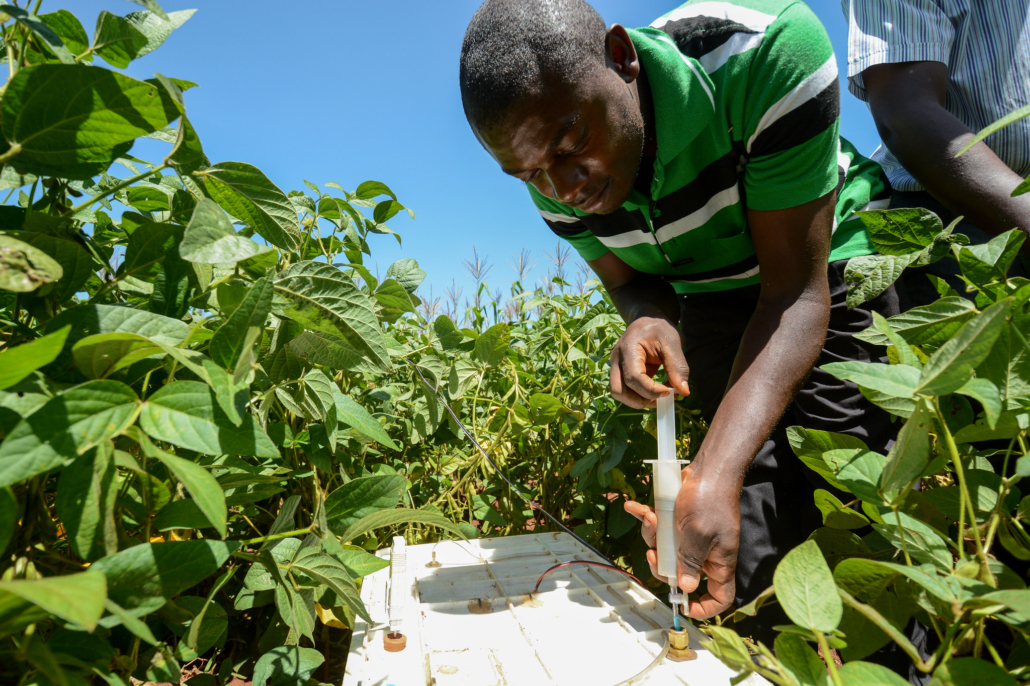
A key strategy involves thorough soil testing. When farmers know the exact makeup of their soil, they can spot nutrient gaps that hold back growth. With this information, they can make better choices about fertilizers or which crops to plant next. Soil sampling can reveal critical insights about what is missing beneath the surface, giving farmers the confidence to put resources where they matter most and boost productivity.
Which Actions Help Restore Vital Soil?
Communities, organizations and governments have found several effective ways to improve soil health.
- Agroforestry: Growing trees together with crops helps prevent soil erosion and improves water retention.
- Cover Cropping: Planting cover crops between main harvests shields soil and adds much-needed organic matter.
- Conservation Tillage: Disturbing the ground less keeps its helpful microbes and structure intact.
- Crop Rotation: Changing up crops between seasons puts nutrients back into the soil and keeps pests in check.
As these practices take hold, they help communities build resilience to climate change and shape brighter economic futures. Solving the impact of soil degradation on global poverty is not only an environmental goal—it is a vital step toward a more equitable and food-secure world.
– Kelly Schoessling
Photo: Flickr
