The Changing Climate and Poverty in Fiji
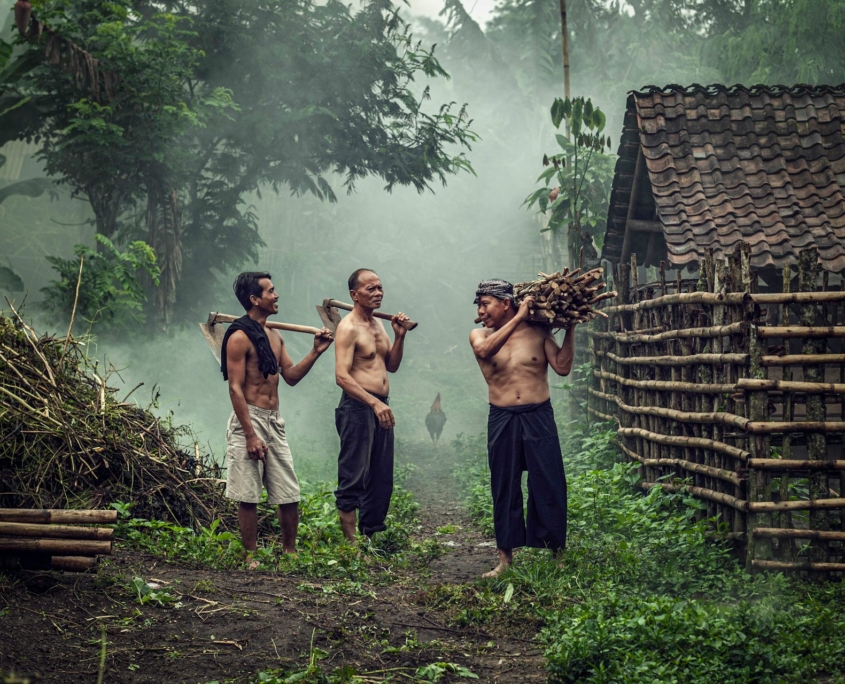 Fiji, long celebrated as a South Pacific paradise, now faces the growing threat of changing weather patterns, a crisis that endangers both its land and its citizens. With more than 75% of the population living along the coast and about half living below the national poverty line, many Fijians cannot afford the home adaptations or relocations needed to ensure their safety. This leaves impoverished communities especially vulnerable.
Cyclone Winston: A Devastating Wake-Up Call
In 2016, Cyclone Winston, the most powerful cyclone ever recorded in the Southern Hemisphere, destroyed much of Fiji overnight. The storm claimed 44 lives, critically injured hundreds, and damaged 88 of the country’s 124 health facilities. With estimated economic losses of $1.3 billion, thousands were left homeless. As of 2025, many communities are still rebuilding homes, infrastructure and livelihoods.
The International Monetary Fund (IMF) predicts that damage caused by rising sea levels could cost Fiji an average of 1.8% of its GDP annually between 2020 and 2050. For many already living in poverty in Fiji, the economic efforts required for recovery remain a persistent challenge as these events become increasingly frequent.
The Borgen Project spoke with Grace Chang, the Fiji Partnership Manager at ThinkPacific, a social enterprise that collaborates with local partners to develop community initiatives. Chang said, “Many affected communities are still rebuilding infrastructure, homes and livelihoods. Cyclone Winston highlights the need for stronger disaster preparedness and resilience in vulnerable areas, which continues to shape recovery and support programs.”
Humanitarian Initiatives
The Fijian government and international organizations are working to address poverty while strengthening communities’ resilience to the changing climate. Cash transfer systems, anticipatory frameworks and mental health services have been established to help the nation’s poorest citizens recover from and prepare for future challenges.
To help vulnerable populations weather economic shocks after natural disasters, the Fijian government, alongside the International Finance Corporation (IFC), has begun piloting the parametric insurance program. This program is designed to ensure that low-income households in Fiji can afford to cover the costs of any damage caused during extreme weather events. The aim is for registered households to receive a cash payout directly to their bank accounts immediately after the disaster strikes so they can rebuild and recover swiftly from any damages. This rapid payout system ensures funds are readily available post-destruction, allowing for timely recovery.
Anticipatory Action Framework
In November 2023, the Fijian government, in partnership with the United Nations, introduced the Anticipatory Action Framework for Tropical Cyclones, relying on meteorological forecasts to predict a cyclone’s impact on vulnerable communities. A “trigger” mechanism has been designed to release pre-arranged funding, which will be made available promptly to humanitarian actors to ensure those most affected can access the resources they need.
When activated, the framework’s pre-planned interventions include:
- Distributing safe shelter kits
- Providing boat-strengthening kits to fishing communities
- Pre-positioning educational materials for schools
- Distributing food and cash to families facing impending storms
By acting before a storm strikes, the Anticipatory Action Framework ensures that vulnerable communities are not just responding to disaster but are protected and empowered to withstand it.
The Importance of Mental Health
Humanitarian aid organizations have also recognized that the physical rebuilding of Fiji must go hand in hand with emotional recovery, especially for those living in poverty who are least able to absorb the shocks of climate disasters. Cyclones devastate homes and livelihoods, leaving communities even more economically vulnerable than before.
Chang again stated, “The increasing frequency and severity of climate events have caused stress, anxiety and trauma, particularly for those who have lost homes, land or family members. Many community members face ongoing uncertainty about future disasters.”
For the poorest families, these stresses are compounded by financial insecurity. Lost crops, damaged fishing equipment and destroyed homes often mean they struggle to rebuild their lives. In response, nongovernmental organizations (NGOs) such as Empower Pacific have been providing trauma counseling and psychological first aid to those who cannot afford private care. The Fiji Red Cross has also expanded its mental health and psychosocial support programs, emphasizing that true recovery must address both physical damage and emotional well-being.
A Beacon of Resilience and Hope
Despite all the devastation, there is hope for this island nation. Fiji shows that even in the face of incredible destruction, hope persists. The changing climate remains a growing threat, but with the support of humanitarian organizations and government efforts, it is never too late to help those living in poverty in Fiji.
– Niamh Trinder
Niamh is based in Leicester, UK and focuses on Good News for The Borgen Project.
Photo: Unsplash
