Working with Refugee Resettlement Sites
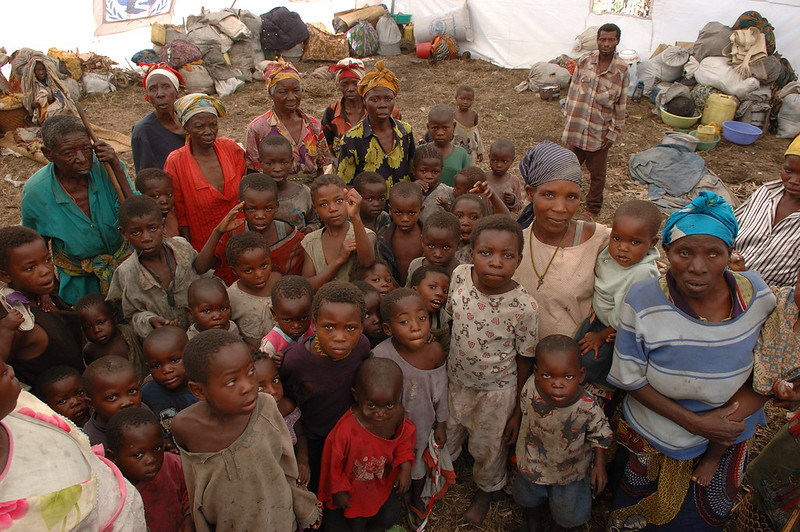 Catholic Charities in the Greater Boston area helps to resettle refugees from all over the world, including the countries of Afghanistan, Burma, Bhutan, Cape Verde, Cuba, Ethiopia, Haiti, Iraq, Liberia, Somalia, Sudan and Vietnam. These individuals and families face linguistic, economic, cultural and legal challenges and they help arrivals integrate into society. They offer families a place to live and job support by helping refugees find places to work as well as English language training.
The Borgen Project spoke with a volunteer who has worked as the lead of a community sponsorship site for the past two years about her experience working with the families and leading a team of volunteers. As a student and somebody who works with individuals with varying levels of immigration status, they did wish to remain anonymous. Asking her about her experience working with newly arriving families, specifically from Haiti and Cape Verde, at a location that focuses on refugee resettlement and integration into the community.
Refugee Resettlement Camps
Resettlement happens when a conflict prevents refugees from being able to go home or they’re living in conditions that are dangerous or aren’t meeting their needs. Formerly, the United Nations Human Rights Council (UNHCR) defines resettlement as the transfer of refugees from an asylum country to another state that has agreed to admit them. Often, resettlement requires the participation of many different agents, including different states, nongovernmental organizations (NGOs), the International Organization for Migration (IOM), civil society and the communities that the refugees are relocating to.
Working with Refugees
The Borgen Project spoke with a volunteer about her experience working at a refugee resettlement camp for the past two years, asking what she does during her volunteer hours and what it is like working with the people there. The particular site they worked with was set up as a temporary housing facility for refugees coming into the area so that they could start to look for jobs. Their children, if they had any, could get acclimated in the school system and they could participate in English workshops.
“During my past two years at this resettlement location, I’ve primarily worked with the children at the site, which has been a very fulfilling and insightful experience. Most of the families coming to this site are coming from Haiti and Cape Verde, meaning that, along with being in a new environment, there is a language barrier as well. The kids I’ve been working with speak a mix of French, Spanish, Portuguese and Creole while trying to learn English. Something I’ve been the most impressed by is how quick the kids, in particular, are able to learn English.”
Residents spend afternoons hanging out and playing with the kids. On some days, they are outside playing soccer or basketball. On other days, they are helping out with homework. “The kids at these sites are amazing, always looking out for their siblings and the other kids there. While some days are tougher than others, putting it into perspective, these kids are living in one-bedroom, one bathroom suites with their entire families, with other families next to and across the hall from them.”
The Reality of Refugee Resettlement
Refugee resettlement is hard and the majority of refugees have made long journeys under tough circumstances and it takes a lot of support to get to a stable position. Organizations like Catholic Charities are just one example of NGOs that invest resources with the intent of helping refugees find a community that welcomes them with open arms.
There are many aspects of the resettlement process and supporting and creating a space for the children is often an overlooked part of the process. Working with families, specifically the kids upon their arrival and helping them adjust, as well as being an outlet for them, is incredibly important but does not get as much recognition. Refugee resettlement also involves many critical components, including the legal work required for families and individuals. While volunteers at resettlement sites may not always contribute to the legal needs of refugees, donating their time and skills has proven to be just as valuable.
Looking Forward
Going forward, refugee resettlement remains an essential service supported by numerous NGOs and dedicated volunteers. People around the world face resettlement for many reasons and they often encounter linguistic, economic, cultural and legal challenges when they arrive. Through the work of NGOs, refugee resettlement programs provide the support needed to help individuals and families adjust and thrive in a new environment.
– Olivia Peters
Olivia is based in Newport, RI, USA and focuses on Good News for The Borgen Project.
Photo: Flickr
