Solar Microgrids in Uganda Powering Progress
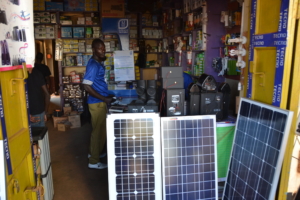 Uganda, a landlocked country in East Africa, is one of the most impoverished nations in the world. More than 40% of its citizens live below the national poverty line, most living in rural areas and acting as subsistence farmers. Many obstacles hinder poverty reduction efforts in the region, including low electricity access.
Poor and unequal access to electricity prevents rural residents from having core services like refrigeration, the ability to study in the evening or even powered medical tools. This lack perpetuates poverty through low productivity, poor health and limited education.
The introduction of solar microgrids in Uganda provides efficient and more affordable methods of increasing access to electricity. Here is some information on how solar microgrids operate in Uganda.
Background
In rural Uganda, studies estimate that 26 million people live without electricity as the grids are often limited to towns. This is partly because grid expansion is expensive due to long distances and low density. Hence, off-grid solar microgrids have become a cheaper option that is much quicker to install.
Solar microgrids are localized energy systems incorporating features like solar panels, batteries or small distribution lines. In Uganda, they have been used to great success. For example, in The Lamwo District, 25 solar mini-grids provide electricity to more than 15,000 residents and 100 businesses. In Kiwumu, a 40 kW system provides electricity to 360 homes, 60 companies and a maize mill. On Bunjako Island, eight grids serve more than 3,300 people.
Microgrids as a Tool To Reduce Poverty
Investing in Uganda’s solar microgrids has been crucial in bolstering poverty reduction efforts. It has increased the income for rural Ugandans as it provides a boost for buildings like shops, mills, salons and charging kiosks. In Kiwumu, businesses saw an increase of 68% in their revenue. This also helps women’s businesses as they grow with powered sewing machines and food processors.
In the health care sector, solar microgrids have also made an impact. There is now proper refrigeration for vaccines in the regions with these microgrids. Hospitals can now better provide nighttime emergency care. Likewise, diagnostic equipment is now powered more reliably.
Solar microgrids in Uganda have also improved the education effort in rural areas. Evening study is now possible with the lighting produced by electricity. Students and learners in the region can also now use computers and printers more consistently. This has also bolstered efforts to provide digital literacy training.
Conclusion
Some barriers to expanding solar microgrids in the region remain, such as complex regulations and licensing delays. However, more support must be given as expanded microgrid access for rural Uganda reduces energy poverty. It also means the growth of small businesses, better health care and stronger education outcomes: all crucial features in the fight against poverty.
– Seun Adekunle
Seun is based in Scotch Plains, NJ, USA and focuses on Technology and Solutions for The Borgen Project.
Photo: Flickr
