AfCFTA: Africa’s Path to Economic Growth and Unity
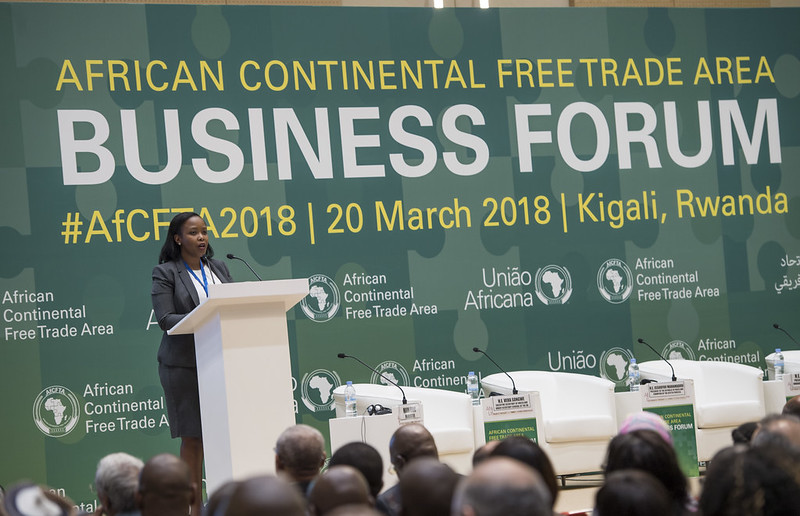 From Rwandan gold to Ethiopian coffee to Libyan oil, Africa is rich in diverse and abundant resources. But despite this wealth, it remains the world’s poorest continent, a status worsened by its limited participation in the global economy. Home to 18% of the world’s population, Africa accounts for just 2.8% of international trade, as of 2019. The African Continental Free Trade Area (AfCFTA) seeks to change this by creating the world’s largest free trade area, spurring development, and ultimately lifting millions out of poverty.
Breaking the Cycle of Poverty and Dependency
As of 2019, 478 million Africans were living in extreme poverty, with another 58 million just above the poverty line. Many reside in one of the 45 countries whose economies rely heavily on the export of raw materials. Wealthy nations buy these primary goods, use them to manufacture finished products, and then sell those products back to African countries at premium prices. This cycle leaves these countries poor and highly vulnerable to fluctuations in global demand.
Recognizing Africa’s historical disadvantages as well as its immense potential for economic growth, the African Union established AfCFTA in 2018. The agreement aims to unite the 55 member states and the approximately 1.3 billion people living within them into a single market for goods and services. Now, four years after its official launch in 2021, AfCFTA has made considerable progress toward achieving its founding goals of increasing intra-regional trade and making Africa more competitive in the global marketplace.
Progress, Innovation and Real Impact
By 2024, 49 of the 55 signatories had ratified the agreement, and 19 countries had enacted tariff reductions into national law. These actions mark a key step toward facilitating an economically integrated Africa, where intra-continental trade accounts for much more than the current low rate of 14.9%. According to World Bank estimates, full implementation of AfCFTA could increase the total economic output of African countries by $450 billion and add $76 billion to the global income by 2035.
Beyond trade policy, AfCFTA includes initiatives which aim to support its broader economic and social objectives. The Pan-African Payment and Settlement System (PAPSS), launched in 2022, allows for instant and secure payments between African countries, reducing costs and increasing trade efficiency. Meanwhile, the Protocol on Women and Youth in Trade promotes networking, mentorship, and market training, making AfCFTA the first trade agreement to legally protect the interests of these two marginalized groups.
Making a Difference
Although the implementation of AfCFTA has been gradual due to the complexities of coordinating trade policies among 55 distinct states, it has already begun to make a meaningful difference in the lives of Africans. Briggette Harrington, owner of Igire Coffee, was the first to receive an AfCFTA certificate of origin for Rwanda. Benefiting from the agreement’s trade advantages, Harrington increased her exports from 150 bags to 400 bags of coffee. She is just one example of how a unified African market can benefit small businesses across the continent.
The Road to Success
Ultimately, AfCFTA’s path forward is promising but uncertain. Success will require member states to achieve regulatory harmonization, balance their various needs, and ensure that the benefits of trade are equitably distributed. What is unquestionable, however, is what Africa stands to gain. If fully realized, AfCFTA could unlock Africa’s vast economic potential, pulling 30 million people out of extreme poverty, according to the World Bank.
– Caroline Clark
Caroline is based inNeedham, MA, USA and focuses on Global Health and Politics for The Borgen Project.
Photo: Flickr
