Disability and Poverty in Latvia
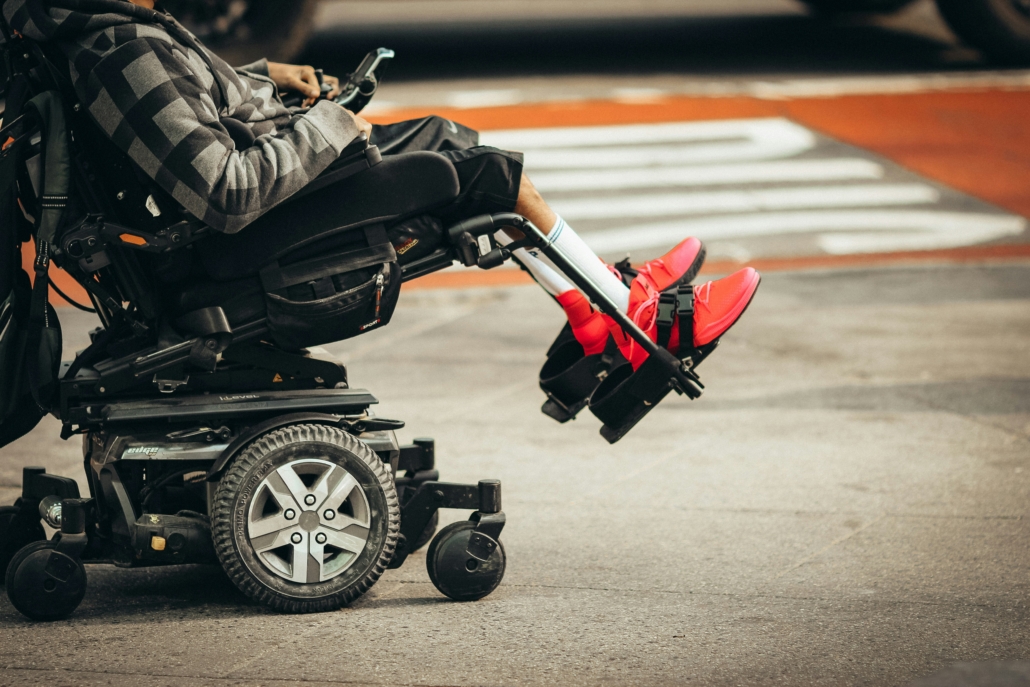 Life becomes a hardship when an injury causes disability. The case is even worse for individuals with permanent disabilities, and often experience neglect from society. As such, without proper care, they are significantly more at risk of living below the poverty line. For disabled individuals living in impoverished nations, resources and care can be nonexistent. Although the perception of disabled persons in Latvia improved, disability still has significant links to being at risk of poverty and social exclusion. Here is more information about the links between disability and poverty in Latvia.
Social Isolation and Mistreatment
Eurostat, the statistical office of the European Union, links poverty and social isolation together through the at risk of poverty or social exclusion metric (AROPE). Isolation and mistreatment from society can in turn exacerbate poverty. In 2021, Eurostat projected that in Latvia, 37.5% of disabled persons over the age of 16 were considered AROPE. Latvia’s rate was the highest in the Baltic States and was among the highest in the European Union. This number has grown since 2015, whereas only 566,000, or 28.5% of residents, were considered AROPE.
Paired with the fact that the number of disabled persons in Latvia is growing, individuals under AROPE require even greater attention in order to not suffer poverty’s devastation.
Poverty Alleviation for the Disabled
Latvia has one of the largest wealth gaps in the European Union. Data from 2012 demonstrates that the top 10% of the population received 26% of the entire income. In 2023, data from the Central Statistical Bureau listed that the richest population’s income was 6.3 times greater than the income of the poorest, rendering Latvia as a top country with wealth inequality.
With a percentage of the affluent population, it is possible to provide greater support to individuals in poverty. However, little is occurring to benefit disabled and impoverished individuals. Since 2005, the social minimum has been 64.03 Euros per month, equivalent to that of the benefit given to disabled individuals. In addition, the minimum disability pension ranges from 64.03 Euros to 170.75 Euros per month.
Given that these rates have been unchanged since 2005, it is difficult for individuals under these funds to sustain a viable lifestyle, especially as inflation increases the cost of living every year. In addition, Latvia’s classification of a poor person, an individual who is not earning more than 128.06 Euros per month, has not changed since 2001. As the minimum benefit that disabled citizens receive is significantly less than the minimum amount necessary to be in poverty, disabled individuals experience significant disadvantages.
A Path Forward for the Disabled
Despite clear societal hardships for disabled individuals and increased risk of poverty, treatment has improved. In 2010, the Independent Living Institute, which is dedicated to promoting rights of individuals with disabilities, stated that “the view of people with disabilities has improved.” Latvia addressed the matter of living conditions for the disabled in 2009 with draft legislation discussing personal assistance and the specifics of individual care. The legislation provided minimum requirements for social services and assistance to the disabled, and outlined the responsibilities of local governments in providing such care. Although the legislation did not move forward due to a financial crisis, the fact that officials discussed this demonstrates that Latvia acknowledged disability and the risk of poverty.
This shift is due to borders opening and the changing of stereotypes of disabled persons. As Latvians gained the ability to travel abroad and view how disabled individuals were treated in other countries, their own perceptions began to change positively.
Since the increased awareness of disability and poverty in Latvia, greater progress has occurred to ensure that the disabled are cared for and less at risk. Interest groups such as the Independent Living Institute have played a significant role in lobbying the Latvian government to consider and implement disability care legislation, and was critical in signing onto of the UN Convention on the Rights of Persons with Disabilities.
Looking Ahead
While stigma surrounding disabled individuals still exists, more respect and acknowledgement of their capabilities and hardships ultimately create better treatment and greater equity. The first step to reducing disability and poverty in Latvia is to first understand and take issues of disabled individuals seriously. With support from individuals and groups fighting to promote accessible resources, the disabled population will be less likely to be at risk of poverty, and should live happier lives.
– Owen Wu
Owen is based in Westborough, MA, USA and focuses on Technology and Politics for The Borgen Project.
Photo: Unsplash
