Circular Economy in Latin America Fights Poverty
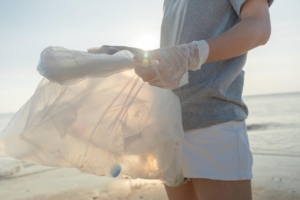 In Latin America and the Caribbean (LAC), less than 5% of municipal waste is recycled, well below Europe’s 33–49% range, despite nearly 80% of the population living in cities. A 2025 World Economic Forum report attributes low recycling rates to poor waste infrastructure and the informal economy’s dominance. This linear system harms the environment and leaves millions of waste pickers trapped in poverty, limiting the region’s ability to scale a circular economy that Latin America urgently needs.
Waste Pickers at the Heart of Circular Innovation
In Bogotá and other major cities, informal recyclers, known as waste pickers, collect up to 90% of materials destined for recycling. Despite this, many lack basic safety gear and earn below minimum wage. A 2024 Reuters investigation reports that roughly 20 million waste pickers worldwide process 60% of recycled plastics, yet they remain overlooked in policy design.
Brazil: Fishing for Litter and PET Recycling
Brazil’s Fishing for Litter initiative offers fishermen a guaranteed monthly minimum wage to collect trash from Guanabara Bay while working. In two years, 80 fishermen collected nearly 400 tonnes of waste, earning fair wages and reducing pollution in mangrove ecosystems.
In Minas Gerais, Brazil, cooperatives of catadores (waste pickers) partner with Veja, a sustainable shoe manufacturer, to transform polyethylene terephthalate (PET) bottle waste into shoe materials. This collaboration ensures fair prices and traces plastic from collection to production, elevating informal workers’ incomes and environmental stewardship.
Colombia: Ecobricks and Rising Challenges
Grassroots ecobrick projects in coastal Colombian towns repurpose plastic waste into sturdy bricks for building benches, walls and classrooms. A recent ResearchGate report notes that these initiatives prevent plastic leaks into marine environments and raise awareness of sustainable practices. These programs, often school-led, empower local communities and generate small incomes.
However, on June 24, 2025, more than a dozen Colombian associations dumped 15 tonnes of plastic in Bogotá’s Bolívar Square to protest plummeting prices, down from $0.75 to $0.50 per kilo. With most earning less than $350 monthly, pickers urged the government to stabilize income through price guarantees and rights recognition.
Textile Recycling in Chile: A Second Life for Fabric
In Santiago, Ecocitex transforms textile waste into eco‑yarn products. Founded in 2020 by Rosario Hevia, the company has recycled more than 200 tons of textiles, mitigating thousands of tons of CO₂ emissions. It employs formerly incarcerated women through partnerships like Abriendo Puertas. The organization also supports more than 220 people annually and promotes social inclusion while offering sustainable income through its yarn and product sales.
Scaling Up Through Finance and Tech
An Inter‑American Development Bank analysis, “Unlocking Circular Economy Finance in Latin America and the Caribbean: The Catalyst for Positive Change,” shows how microfinance, digital logistics platforms and public‑private partnerships are opening new opportunities for recyclers and SME recyclers, particularly women‑led initiatives. The report recommends financial instruments and incentives that can scale small circular businesses across the region.
It also urges countries to modernize environmental laws and build stronger public-private partnerships to close the investment gap. The region can drive circular growth and create more resilient, equitable economies by supporting MSMEs with better access to finance, innovation and inclusive strategies.
From Waste to Wealth
Across Latin America, grassroots circular economy models, from ecobricks to cooperatives and textile upcycling, demonstrate that sustainable solutions can lift communities out of poverty. With millions dependent on informal recycling, policy reforms that integrate these workers are not just environmentally prudent but economically essential. Supporting these initiatives through finance, infrastructure and inclusive policies offers a proven path from waste to wealth.
– Meral Ciplak
Meral is based in Edmonton, Canada and focuses on Technology and Solutions for The Borgen Project.
Photo: Pixabay
