Advances in Monitoring Air Pollution in Laos
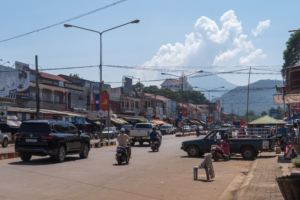 Laos is one of the most polluted countries in Southeast Asia. However, it has implemented a wide-reaching air monitoring system, improving the data on real-time air quality.
What Causes Air Pollution in Laos
Numerous sources, including waste burning, vehicle emissions, forest fires, heavy industry and the widespread use of slash-and-burn agriculture, cause air pollution in Laos. Slash-and-burn agriculture is where land is cleared for planting by burning the existing forests in the area.
The region has a long history of using slash-and-burn agriculture and people consider it traditional and effective; however, it contributes significantly to air pollution in Laos.
Negative Effects of Air Pollution
Worldwide air pollution leads to about one in nine deaths. Being exposed to high levels of air pollution can lead to lung cancer, heart disease, respiratory infections and stroke. As well as an increased risk of developing dementia and Alzheimer’s. Air pollution also has economic impacts; in 2019, it accounted for the loss of 6.1% of the global gross domestic product (GDP).
Also, because air pollution causes sickness, it places extra burdens on health systems and can increase the national healthcare spending. Further, when kids miss school due to an air pollution-related illness, they miss valuable time in the classroom and their parents often have to take time off work to look after them. This impacts economic growth.
Poverty and Air Pollution
Living on less than $1.90 per day, 716 million people are exposed to unsafe levels of air pollution. Pollution levels are especially high in lower-middle-income countries, where economies often depend on highly polluting industries.
Low-income communities tend to be disproportionately exposed to unsafe air pollution levels, partly because they tend to have jobs that require them outside performing physical labor. When they get an air pollution-related illness, they also tend to have more limited access to good and affordable health care.
New Air Quality Monitors
The government is combating air pollution in Laos by installing new air quality sensors. So far, 148 schools across the country have installed sensors, ensuring coverage in every district. This provides authorities with localized, real-time data on air quality nationwide. Policymakers can use this data to shape long-term clean air strategies and take immediate actions, such as temporarily closing schools in areas with dangerous pollution levels.
Hands-on training for students, teachers and local officials accompanied the installation of the sensors. In the future, an AI-powered program will use the data collected from the sensors to provide real-time local air quality estimations for more than 8,500 villages in Laos. This will include areas that do not have on-site sensors.
Final Remarks
While air pollution in Laos remains a serious concern, the government’s investment in real-time monitoring marks a major step forward. With sensors now installed across every district and plans to expand AI-powered forecasting, Laos is better equipped to track pollution. Furthermore, this will allow the protection of public health and guide long-term environmental policy. Continued innovation and action will be essential to ensure cleaner air and a healthier future for all Laotians.
– Axtin Bullock
Axtin is based in Georgetown, MA, USA and focuses on Technology and Global Health for The Borgen Project.
Photo: Wikimedia Commons
