Innovative Waste Management in Rwanda
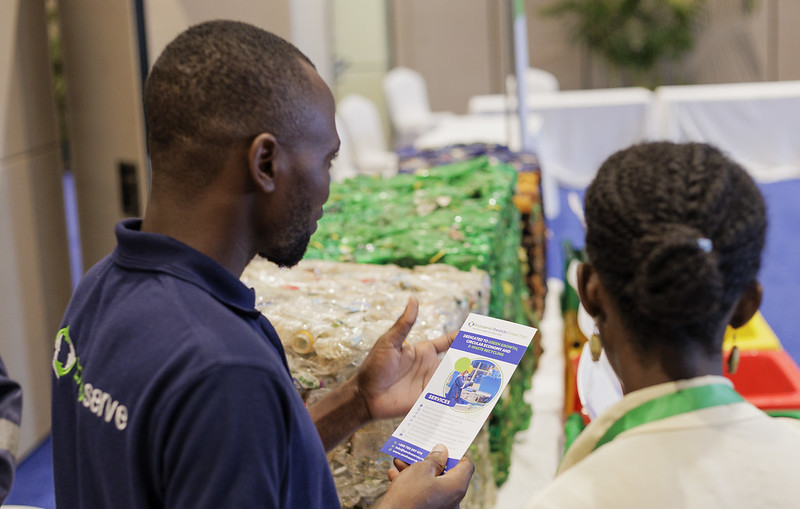 Rwanda, a country in Central Africa with a population of around 14 million, has emerged as a global leader in sustainable development through its revolutionary waste management initiatives. The Plastic Waste Management Program and the Gikondo Recycling Centre, as well as youth-led eco-entrepreneurship initiatives, address certain environmental issues to create many jobs, mainly for young people. Rwanda is generally encouraging cleaner urban spaces, transforming waste into valuable resources. In addition to its promotion of a circular economy, it is setting an inspiring example for other nations to follow in the pursuit of sustainability and economic growth as well.
Transforming Waste into Opportunity
In 2021, Rwanda, in its work alongside the Private Sector Federation, set up a fund for plastic waste management. This initiative has led to the collection of nearly 1,500 tons of plastic waste from around 24 drop-off points. If that waste was not collected, it would have ended up in the landfills. The programme has, furthermore, created some 1,300 green jobs, showing the potential for environmental initiatives to drive economic growth, as well as employment.
Rwanda’s commitment to addressing plastic pollution extends beyond its borders. In 2024, Rwanda and Peru submitted a proposal at the U.N. talks in Ottawa to reduce global plastic production by 40% by 2040. This ambitious target aims to protect human health and the environment by limiting the production of primary plastic polymers.
Gikondo Recycling Centre
The Gikondo wetland in Kigali, once with heavy pollution by plastic waste, is undergoing transformation into a recreational area like the Nyandungu Eco-tourism Park. The government has actively engaged youth in removing some plastic waste from the wetland. That action turns an environmental challenge into an opportunity for community involvement as well as job creation.
Additionally, the Nduba landfill in Kigali features pilot facilities for municipal waste valorisation, a Waste Sorting and Separation Facility and a Bio-Waste Treatment Facility. These facilities can handle about 100 tons of waste per day in addition to converting organic waste into valuable fertilisers, respectively. The project could reduce greenhouse gas emissions by an estimated 15,320 tCO₂ annually, and a further 74 new green jobs should be created.
The Youth-Led Eco-Entrepreneurship
Rwanda’s focus on youth empowerment is obvious in programs like the Youth Ecobrigade, implemented in partnership with UNDP and KOICA, together with other stakeholders. This initiative has provided training for 4,900 young people from rural communities. Furthermore, this initiative created 3,520 new jobs. Youth cooperatives that were formed under the program have managed to save nearly 11 million Rwandan francs, which promotes savings and entrepreneurship.
Launched in 2023, the Aguka program aims to support youth-led businesses further. This four-year initiative aims to impact around 6,600 youth-led businesses via the provision of thorough support. Such support includes access to finance, advanced business development training, mentorship, and market linkages. The program should create more than 100,000 jobs, greatly helping Rwanda’s socioeconomic change.
E-Waste Management in Rwanda
Recognizing the growing challenge of electronic waste, the country has partnered with Enviroserve Rwanda Green Park to establish a state-of-the-art e-waste dismantling and recycling facility. This facility has trained up to 70 young Rwandans in the repair, maintenance, and also recycling of electronic equipment. This training program furnished them with valuable skills for the job market.
Furthermore, the initiative has created green jobs for 413 people, with the number expected to rise as the facility and nationwide collection points become fully operational. This approach not only addresses environmental concerns but also provides sustainable employment opportunities for the youth.
A Blueprint for Sustainable Development
These revolutionary waste management initiatives in Rwanda exemplify how environmental sustainability and economic development can go hand in hand. Rwanda is setting a precedent for other nations to emulate by engaging youth as well as transforming waste into resources. This is in addition to encouraging a circular economy. These programs do address the pressing environmental challenges and also create meaningful employment opportunities, especially for young people, paving the way for a more sustainable and prosperous future.
– Zainab Saad Hassan
Zainab is based in Glasgow, Scotland and focuses on Technology and Global Health for The Borgen Project.
Photo: Flickr
