Child Soldiers in Burkina Faso: Why Child Recruitment Is a Crisis
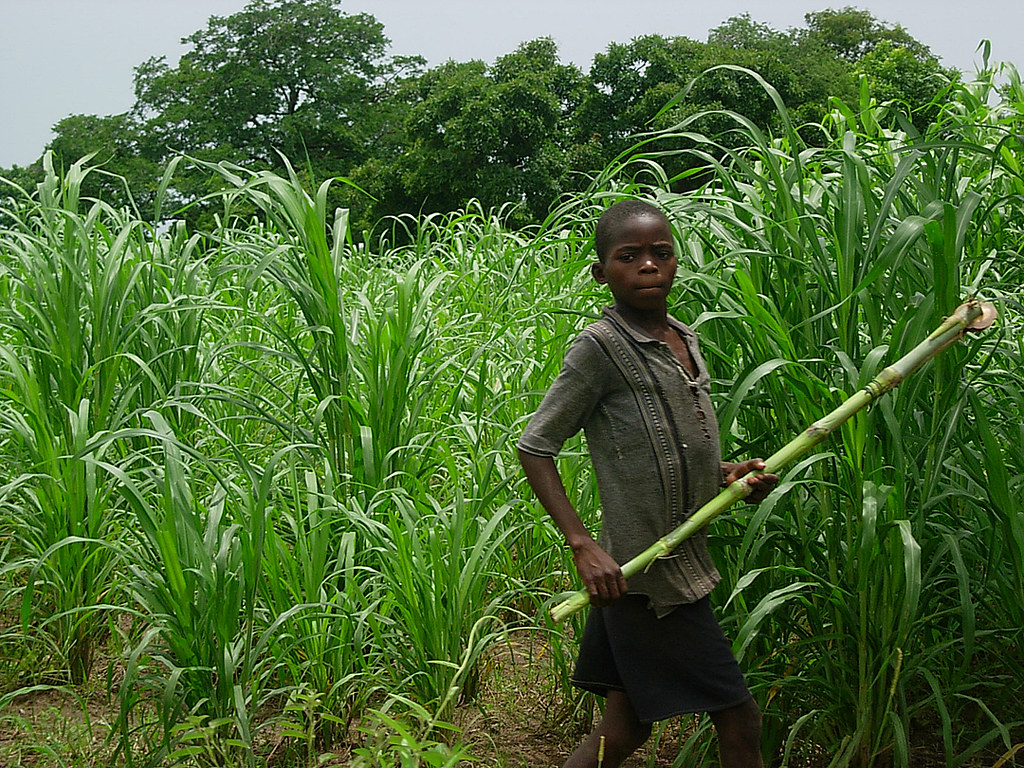 According to the U.N. Secretary-General’s annual report on Children and Armed Conflict, published in June 2024, terrorist groups in Burkina Faso predominantly recruited 169 child soldiers. Since the outbreak of conflict in August 2015 between Islamist groups and the government, Burkina Faso has faced yet another political and social challenge alongside child labor: child soldiers recruitment. Alongside ongoing cases of child abuse—including killings, kidnappings and labor exploitation— military extremist groups’ recruitment of child soldiers in Burkina Faso is increasing by nearly 100 individuals annually. Despite extensive child protection efforts by UNICEF and other organizations, such as Save the Children and Caritas, violations and crimes against children, and the recruitment of child soldiers in Burkina Faso continue to rise due to the government’s unstable position, a worsening humanitarian crisis and societal divisions.
Brief Background of the Burkina Faso Conflict
The ongoing conflict in Burkina Faso escalated on August 23, 2015, when a rebel Islamist group affiliated with an Islamist insurgency movement attacked multiple government posts, resulting in numerous civilian deaths and injuries. According to U.N. reports, nearly 10 years of war have killed at least 10,000 civilians and combatants, not including regular kidnappings. The statistics on political instability, the rise of new hotspots and the increase in existing ones are disheartening. An analytical report by Al Jazeera showed that the number of hotspot locations increased from 303 in 2018 to 2,216 locations in 2019, representing an approximate rise of 631.3% in just one year. The most vulnerable groups in these conflict zones remain women, the elderly and children, who suffer not only from the humanitarian crisis but also from the widespread practice of child soldier recruitment, a practice that the Burkina Faso government strictly prohibits.
Where Does Child Soldier Recruitment Take Place?
Since the practice of child soldier recruitment is widespread and often beyond state control, its origins remain unclear. Some of the most significant instances of child soldier use throughout history occurred during the Vietnam War, World War II and in modern times, within Russian Army forces in the Russo-Ukrainian war. However, the regions that suffer the most from the practice of child soldier recruitment are primarily in Africa. According to the U.N. annual report, countries such as the Central African Republic, North Sudan, Sudan, Nigeria, Somalia, Mali and the Democratic Republic of Congo (DRC) are among the hardest-hit territories. The report indicates that armed groups recruit between 100 and 2,000 children as soldiers annually in these areas.
Child Soldiers in Burkina Faso and Child Abuse
While the humanitarian crisis and war crimes continue to be major issues, the statistics on child abuse in the country during this period are also rapidly worsening. Given the unstable position of the government, the vulnerability of civilians, particularly women and children, has become a deeply challenging issue to resolve. According to UNICEF, up to 93% of children in the country lack access to public health services, hygiene, nutrition and education. Additionally, UN Trade and Development reports that “nearly four out of 10 people live in extreme poverty.” This situation is caused by insufficient production capacity for goods and services, the challenging transition from a highly centralized state economy to a market economy, major political instability, the geographical disadvantage of being landlocked and external debt.
Another significant issue is the regular recruitment of child soldiers by extremist military groups. The charitable organization Theirworld, dedicated to ending the global education crisis, reports on the causes of child soldier recruitment. In many cases, extremist groups kidnap children and force them into service, while social and economic pressures in their country drive others to join. Lacking proper access to education and humanitarian aid, and struggling with poverty, these children become more vulnerable to the influence of terrorist groups that promise them money or drugs in exchange for their service. As a result, those who join the military often commit war crimes, including killing civilians, or become victims of sexual abuse. Reuters reports that some of these children even participate in massacres.
The World’s Response
In response to the recruitment of child soldiers, some of the world’s largest organizations, such as UNICEF and Save the Children, have established multiple charitable programs that receive donations from volunteers worldwide. UNICEF’s reintegration program for former child soldiers has helped more than 8,700 children escape armed groups and reintegrate into civilian life. Through its partners, UNICEF provides these children with full access to education, health care, counseling services and a safe place to live during their recovery period.
Additionally, Save the Children delivers child rights protection and education services in African regions, while also creating petitions and securing ongoing donations to support the cause. It provides education to war-affected children, including former child soldiers, by offering accelerated learning programs and psychological support. Its efforts resulted in 4,000 children receiving education and becoming empowered, and 62,000 children receiving protection from harm.
Furthermore, the UN Integrated Strategy for the Sahel (UNISS), together with key partners such as UNICEF, UNHCR and the Office of the Special Representative of the Secretary-General for Children and Armed Conflict (OSRSG-CAAC), works with governments and armed groups to sign and implement action plans aimed at ending the recruitment and use of child soldiers.
A Call to Action
While the recruitment of child soldiers remains one of the most devastating and persistent issues in Burkina Faso, driven by severe economic and political challenges, powerful global organizations like the UN and UNICEF are uniting for a common goal: to combat poverty and protect the vulnerable. Through impactful campaigns such as UNICEF’s program for Children Associated with Armed Forces and Armed Groups (CAAFAG), they are working to protect children in conflict zones and ensure their reintegration into society in African regions including Burkina Faso.
All the programs mentioned are working in Sahel conflict zones, where Burkina Faso is included, so far none of the specific branches to work only in Burkina Faso was created. Additionally, child soldiers receive the same help as other vulnerable children in Sahel conflict zones.
– Liubov Linnyk
Liubov is based in England and focuses on Politics for The Borgen Project.
Photo: Flickr
