Midwife Programs in Underserved Communities
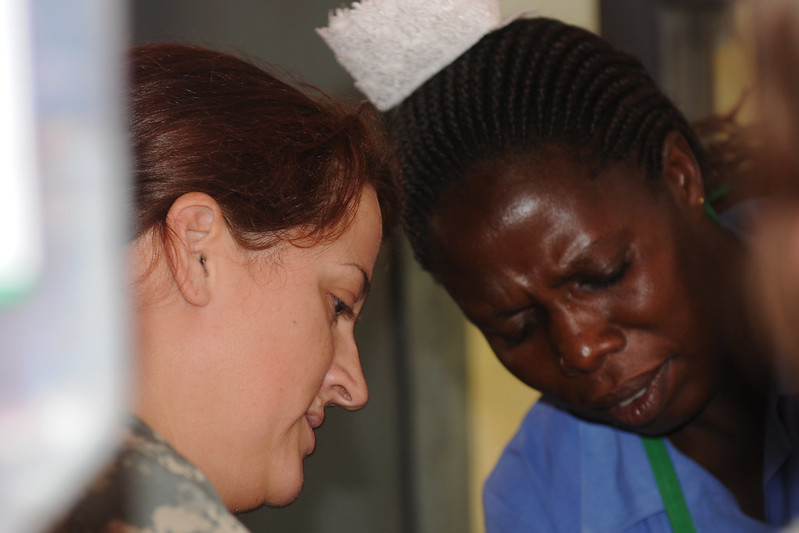 Midwives play an essential role in providing health care to women. Their work is critical in areas without access to traditional hospitals and for women who need alternative expertise. The World Health Organization (WHO) recommends training an additional 1.3 million midwives by 2030 to address the shortage of health care professionals. The following documentaries feature midwife programs in underserved communities.
Navigating Birth and Conflict in the West Bank
This documentary, filmed in Feb. 2024, tracks experienced midwives as they navigate the challenges of providing care in the war-torn West Bank. Across four hospitals, these professionals manage their personal anxieties and professional duties. Indeed, they ensure pregnant women receive necessary health care despite the conflict. Each midwife program reveals how these women adeptly adapt to severe conditions. Despite the lack of private hospitals and ongoing war, they serve approximately 8,000 women per month, overcoming significant institutional challenges.
The midwife programs tackle hurdles such as unpredictable birth events, an unorganized health care system and a dampening of morale among expectant mothers. Additionally, personal hurdles include military checkpoints during commutes and delays in payment from employers. A primary concern is the mental and emotional well-being of mothers and midwives as they navigate the uncertainties of childbirth, poor health care access and the dangers of a sustained war effort around their homes and hospitals. Midwife programs such as Midwives for Peace actively work to make up for the lack of resources and to support new mothers.
Making a Midwife
This documentary follows student midwives as they train and work to receive certification to practice in Haiti. Women like Jusléne prepare to work independently in their communities. According to the documentary, one in 83 women die during childbirth in Haiti. Half of these deaths can be attributed to health complications, such as Eclampsia. Though many women experience complications with known treatments, many of these procedures are not offered to the poor and low-income families within Haiti.
The Midwives for Haiti is a program dedicated to combating high child mortality rates in Haiti. These future midwives, both women and men, are eager to apply their new skills in communities desperate for quality care. They learn from seasoned instructors experienced in field deliveries. By partnering with traditional matrons, Midwives for Haiti ensures a robust training of attendants. The program melds formal midwifery education with an understanding of local cultural traditions. Additionally, the training equips new matrons to engage effectively with pregnant women and their families. As locals themselves, these midwives handle cultural beliefs sensitively, providing accurate diagnoses and care. In the long term, this process aims to strengthen a struggling health care system and alleviate pressures on local actors and voodoo doctors who may lack medical knowledge.
The community-centered approach to education and training creates an atmosphere of uplift and persistence for each trainee. Michael, a featured trainee, wishes to go out and find people who need medical care but who may not have the resources to maintain steady access. Like many of the featured midwives, his goal is to educate local women on the best practices for a healthy pregnancy. The hope is that they can learn how they can position themselves and their children to live a life of health and nutrition.
Nadene, the founder of Midwives for Haiti, established the program with two primary goals. The first is to address the critical shortage of health care providers. The second goal is to foster self-agency among midwives. As students graduate and begin their practices, they gain the tools needed to achieve financial independence. This empowerment is particularly transformative for women, who often experience financial independence for the first time as they serve their communities.
Con Madre
Con Madre documents the experiences of a group of women who live and train at a Guatemalan school for midwives. The documentary depicts a strong bond between the women as they live together and progress through its program.
According to the National Center for Biotechnology Information, more than 50% of births in Guatemala are home births. Women unable to attend a formal hospital rely on midwives to guide them through pregnancy. Furthermore, they offer care in the weeks following birth. Despite the necessity of their work, midwives in the area resist perceptions by medical professionals who do not understand or accept their expertise.
The three-year midwife program equips students to lead with a vision of empowerment and possibility, emphasizing women’s health rights and future work. Beyond their formal training, each midwife-in-training shadows a “traditional” midwife to absorb ancestral knowledge from local villages and communities. This ancestral training fosters respectful, trusting relationships between new midwives and their local patients.
Looking Ahead
Through the dedication and specialized midwife programs highlighted in these documentaries, midwives provide critical health care to underserved communities globally. These ongoing programs empower local midwives, enabling them to navigate complex community challenges while preserving cultural practices. As they address gaps in maternal and newborn health, midwife programs enhance care and promote long-term, community-centered health care solutions that bring safety and support to mothers and infants in underserved communities.
– Karina Dunn
Karina is based in Mesquite, TX, USA and focuses on Global Health for The Borgen Project.
Photo: Flickr
