3 Innovations Reducing Poverty in Kosovo
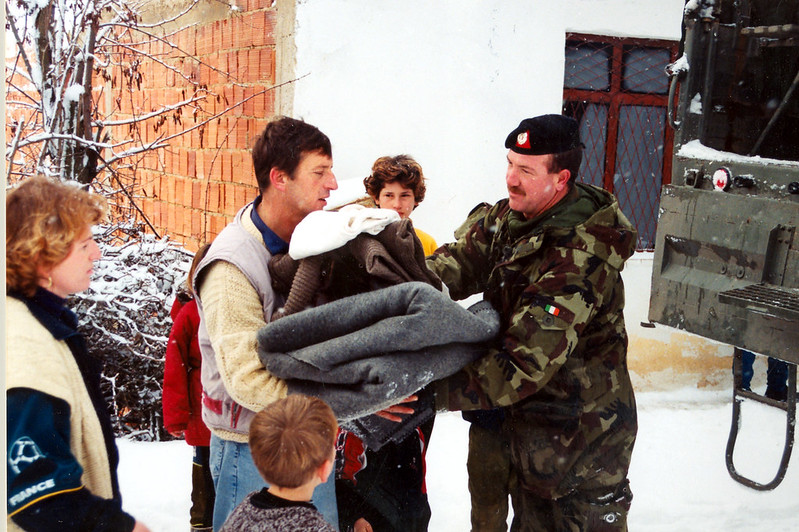 The Republic of Kosovo lies in Southeast Europe, bordering Albania to the southwest and Serbia to the North. The nation has struggled with poverty over the years. According to the BTI project, Kosovo is one of the poorest countries in Europe, with more than 40% of Kosovo’s population of 1.67 million living below the poverty line. The nation faces high unemployment rates in an economy heavily dependent on remittances from its diaspora, leaving it vulnerable to economic shifts abroad and rising corruption levels. However, recent initiatives by the government and various organizations have successfully reduced poverty rates in Kosovo.
Economic Growth
According to the World Bank, since declaring independence in 2008, Kosovo has experienced a 50% increase in per capita income and a 35% decrease in poverty. Instead of relying on foreign aid for economic growth, the government has increased investments, with help from projects and a stronger financial system. Kosovo has also faced challenges like inefficient economic management and a weak government, which have impacted the economy’s growth.
As a result, the Kosovo Economic Governance Activity (KEGA) was implemented, which is a five-year initiative funded by USAID to help the Kosovo government make reforms in policies to promote growth in the private sector and strengthen public financial management. This initiative resulted in €1.2 billion in formalized buildings that secured citizens’ property rights and an 86% increase in tax revenues, rising from €457 million in 2018 to €852 million in 2023.
Decrease in Unemployment
Focus Economics reported the rate of unemployment in 2019 at 26.7%, and in 2023, it decreased to 10.9%. This rapid decrease resulted from initiatives such as the electronic platform K-GenU, which UNICEF launched to provide opportunities for Kosovo youths to access paid internships and to establish connections with employers. The platform helps young people with skills in job searching. Another initiative by UNICEF, Generation Unlimited, prepares young people for the labor market and has provided internships for around 500 young people in 57 businesses.
Social Protection Initiatives
Many people in Kosovo do not have access to health care, education and protective services. This is due to the ineffective programs to help reduce this shortcoming. To combat this, UNICEF increased support for the Law on Social and Family Services, which aims to broaden services and ensure that everyone in need has the right to access these services. UNICEF in Kosovo also focuses on ensuring that policies that are aimed at aiding children lead to real change in their lives. This involved planning and managing the money for certain programs and directly helping municipalities to ensure that children most in need are receiving the help.
Moving Forward
While Kosovo faces challenges ranging from high rates of unemployment and ineffective social programs, the Kosovo government and international organizations have taken successful steps to tackle this problem. The World Bank reports on a new strategy called the Country Partnership Framework (CPF) for Kosovo for the years 2023 to 2027. This aims to help the country improve its economy over the next five years to create more jobs and improve living standards.
– Nouf Hunaiti
Nouf is based in Rancho Cucamonga, CA, USA and focuses on Good News for The Borgen Project.
Photo: Flickr
