Energy Poverty in Portugal
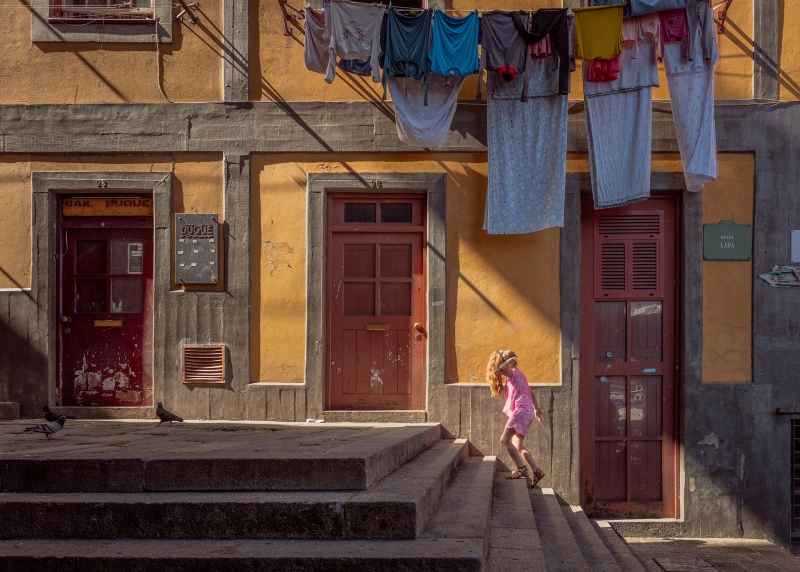 Portugal’s household energy costs have gradually increased. Yet in 2017, the percentage of households unable to keep houses adequately warm was almost three times higher than the EU average. Low household income, low energy performance and high energy costs contribute greatly to energy poverty in Portugal. Many people lack the financial resources to access adequate energy services making it difficult to maintain home ownership. The Directorate-General for Energy and Geology (DGE) estimates that between 1.9 million and 3 million people are in energy poverty in Portugal, while 660,000 to 740,000 live in “severe” energy poverty. The Portuguese National Long-Term Energy Poverty Mitigation Strategy was approved in early 2024. This means these four major initiatives have been implemented to eradicate energy poverty in Portugal by 2050.
Increasing Energy Performance and Access
A 74-year-old who lives with his wife in Portugal in a social housing apartment said “I cannot keep it [the fan] on for long because it also uses a lot [of electricity]…” DGE aims to apply renovation, and replacement, with new or efficient equipment and sustainable technologies and materials to increase energy performance. As a result, it could help homes stay warm, not compromising the well-being and health of households. This prioritization of efficiency could provide lower energy costs, allowing households to focus on careers and education.
Those living in energy poverty in Portugal will have access to essential energy services, and new forms of energy production. For example, renewable energy communities allow for energy sharing. This would ease the financial strain on households suffering from energy poverty in Portugal as the entire community assists with the payment of energy bills, according to DGE. Independent households living in energy poverty can no longer have to sacrifice time and resources to meet high energy costs through collective energy communities, therefore improving their quality of life and financial stability.
Raising Awareness and Reducing Consumption
By promoting educational campaigns and providing tools for energy efficiency measures, awareness could lead to monitoring of energy consumption and improved energy practices. An example of this was EDP’s “Your Energy: Show Your Power!” initiative that took place in Lisbon for students. It raised awareness of living conditions in homes that suffered energy poverty in the country and energy sustainability through interactive lessons and activities.
Reducing the burden of energy consumption focuses on price support mechanisms and guiding principles. It would lead to a bigger increase in household disposable income as the price of energy will remain affordable, regardless of the consumer’s geographical, economic or social situation, according to DGE. This supports a higher quality of life as households living in energy poverty in Portugal no longer have to sacrifice time and resources to meet high energy costs.
Energy Poverty in Portugal: The Future
The Portuguese National Long-Term Energy Poverty Mitigation Strategy discusses four strong strategies to combat energy poverty in Portugal. By increasing household energy efficiency, this initiative aims to reduce energy poverty in Portugal by replacing old technology with newer, efficient equipment. Universal access to energy services makes energy much more accessible to people who live in rural areas or in socio-economic situations that suffer from energy poverty. Raising awareness of energy poverty in the country is also a significant aspect of fighting energy poverty as it educates people on better energy practices and energy consumption monitoring. And lastly, affordable prices support a higher quality of life and financial stability for households who suffer from energy poverty in Portugal because of expensive costs.
– Chelsey Saya McLeod
Chelsey is based in Southampton, Hampshire, UK and focuses on Technology and Solutions for The Borgen Project.
Photo: Unsplash
