USAID Programs in Botswana Alleviating HIV
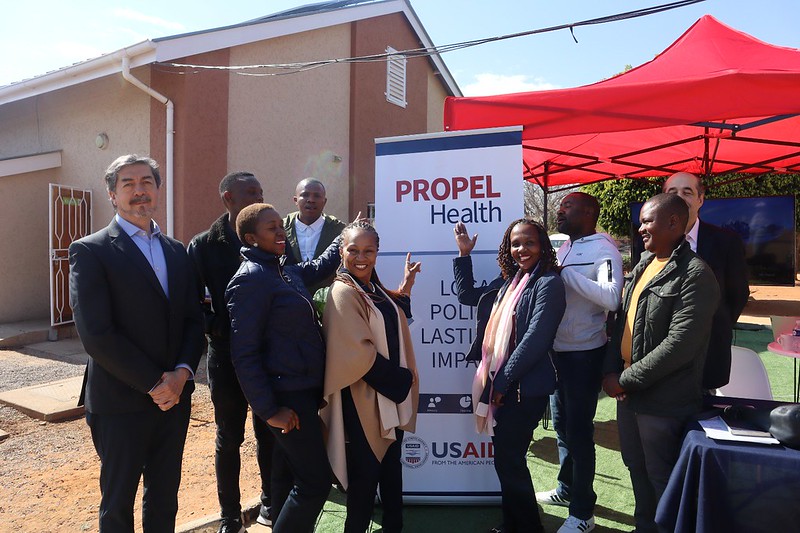 Classified as one of the world’s most impoverished countries in 1966, Botswana has undergone significant economic transformation since gaining independence. Today, it is recognized as an upper-middle-income country, largely due to its thriving mining sector. The land-locked nation’s production of diamonds, alongside other minerals, is a key factor in its growing economy. After 58 years of gaining independence from the U.K., Botswana is now aiming to achieve high-income status.
However, the country still relies on the help of the United States Agency for International Development’s (USAID) programs. Despite Botswana’s economic prosperity, the health of the nation’s people is largely vulnerable due to the prevalence of HIV. The epidemic has become a burden on the economy, as well as Botswana social services. Almost 21% of adults in Botswana have HIV, which is one of the highest HIV infection rates in the world. Improvements to the health care sector have been implemented, such as increased access to clean water. Yet, the nation’s health remains unstable due to the HIV epidemic.
USAID’s Work in Botswana
USAID is a key implementer of the U.S. President’s Emergency Plan for AIDS Relief (PEPFAR), which combats the HIV epidemic. PEPFAR works to address HIV in more than 50 countries globally. “We have the opportunity to see an AIDS-free generation by 2030,” said Congresswoman Barbara Lee, a PEPFAR advocate. PEPFAR’s goal is to eradicate AIDS and, by extension, HIV in the near future and it is working with USAID to achieve this.
In the past two decades, PEPFAR has received about $120 billion in funding, enabling USAID to fight the HIV epidemic and improve global health, with a significant focus on Botswana. Since 2003, PEPFAR has invested $750 million to combat HIV in Botswana. This funding supports USAID programs, enhancing its effectiveness in the Southern African nation.
Reducing Stigma
HIV has been heavily stigmatized in parts of Botswana and USAID is working to reduce negative perceptions of people with the infection. USAID is engaging with traditional, faith and community leaders to help eradicate the epidemic by addressing the social stigma surrounding HIV.
Support and Counseling
Individuals with HIV aren’t the only ones affected by the virus. In 2022, an estimated 54,000 children in Botswana were orphaned due to HIV/AIDS. USAID supports orphans and other vulnerable groups, including women and children, whom HIV has impacted.
Furthermore, USAID provides counseling services to people living with HIV in Botswana. Infected individuals are supplied with support and guidance, encouraging them to get medical treatment. Counselors can track individuals’ progress as they start or maintain their medical schedules, helping to prevent the transmission of the virus.
Final Thoughts
USAID has been helping Botswana since the ’80s, working to alleviate HIV by improving health services, prevention efforts, public opinion and support for those affected by the disease. The $750 million PEPFAR has provided to Botswana since 2003 has allowed USAID programs to help reduce AIDS-related deaths among adults and children by about 14,100. Additionally, USAID programs have contributed to lowering the estimated number of children living with HIV by 16,900 in the past 20 years. USAID programs continue to combat the HIV epidemic, both in Botswana and globally, working toward eradicating the disease.
– Megan Hall
Megan is based in Suffolk, UK and focuses on Global Health and Celebs for The Borgen Project.
Photo: Flickr
