Elderly Poverty in Tanzania
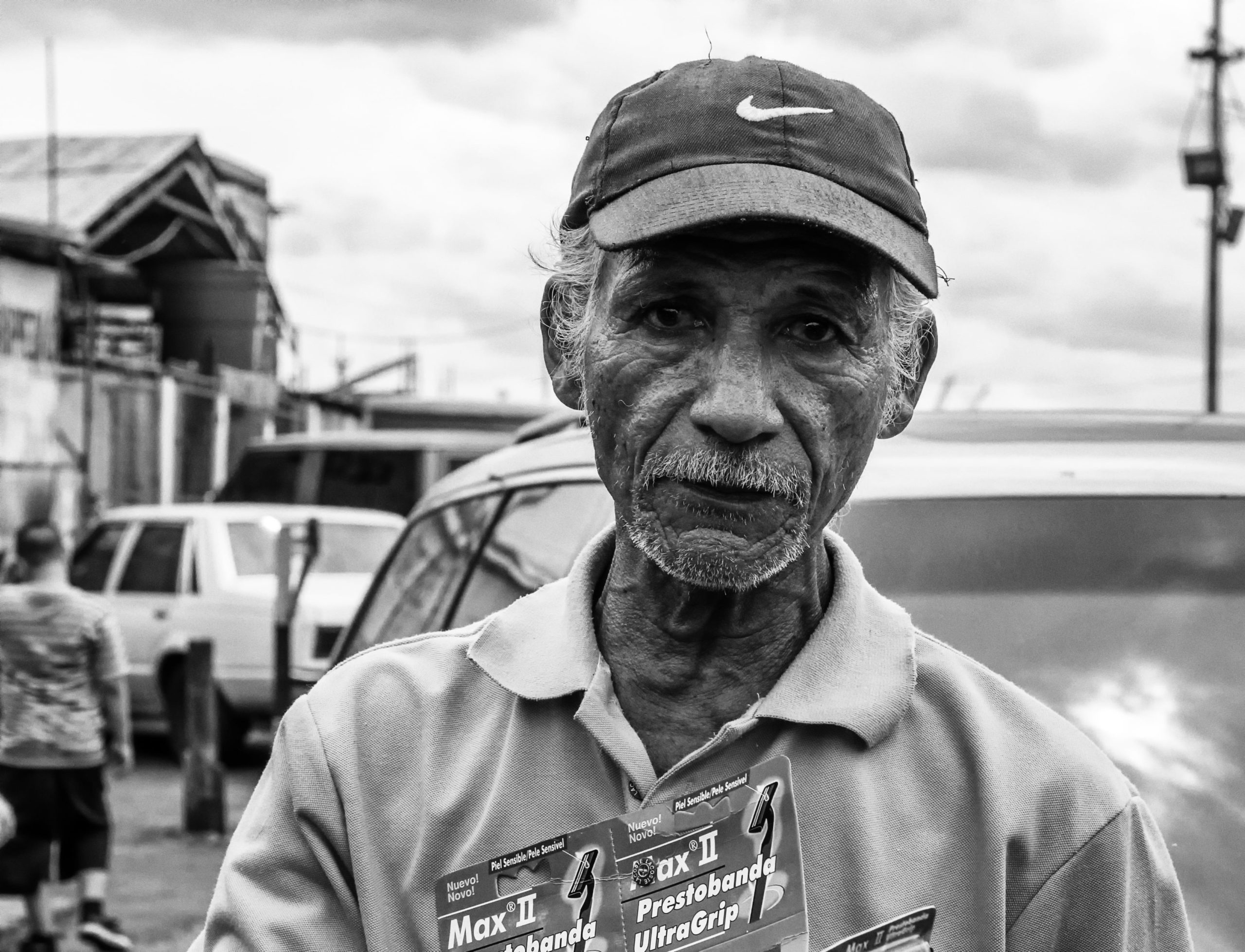 In Tanzania, life expectancy rose from 43 years in 1960 to 58 years in 2011. This increase has led to 2.7 million people reaching the age of 60, which has heightened their vulnerability and contributed to a 15.5% rise in disability. Many seniors now rely on their families for support or are forced to seek work. This situation urgently requires attention and intervention.
Causes of Elderly Poverty in Tanzania
Numerous factors contribute to the prevalence of elderly poverty in Tanzania. One of the leading causes of elderly poverty in Tanzania is the lack of financial resources and safety nets. Under Tanzania’s gender policy, “Only 1% of Tanzania’s entire population receives formal social security coverages such as pensions and these are largely older men formerly employed in government services.” In Tanzania, some elderly individuals receiving pensions get small amounts, often leaving them in poverty. Even if they are eligible, pension payments are frequently irregular, delayed or unauthorized.
Due to this situation, countless seniors have no choice but to depend on family support or reenter the workforce in their advanced years. Insufficient resources can lead to health issues, including limited access to health care, resulting in illness and decreased ability to carry out daily tasks, including work. HelpAge International in Tanzania reported that older men and women lacked sufficient access to community resources and services, such as safe latrines and sanitation, increasing their vulnerability to poverty and poor health.
Who Suffers More: Men or Women?
In Tanzania, women experience higher levels of poverty compared to men, mainly due to factors such as limited access to education, lower social status and unequal access to resources. According to the Tanzania gender policy, households headed by older women face a 7% higher risk of poverty than those headed by older men.
Widowed women in Tanzania, who often have low social status, are particularly vulnerable to poverty, lack of opportunities, limited access to support systems and exposure to violence. For instance, the lack of proper education among women and girls leaves them reliant on informal support systems.
Organizations Providing Aid
Several nonprofit organizations are working to end elderly poverty in Tanzania. One key initiative, HelpAge International, has been assisting seniors in Tanzania since 1992. The organization has secured regular income for more than 620,000 older people through the Tanzania Social Action Fund. Additionally, it has advocated for the Zanzibar Government to introduce a universal pension for all individuals aged 70 and above.
Tushikamane Pamoja Foundation (TPF) is another organization supporting Tanzania’s elderly population. The Foundation aims to assist vulnerable older adults by providing access to essential humanitarian, social, material and economic support to help them lead dignified lives. In October 2010, the foundation raised approximately $741, which was used to purchase essential items for older people at Msimbazi Old Peoples’ Home. This effort helped improve living conditions and provided much-needed support to the residents.
Final Remark on Elderly Poverty in Tanzania
Although Tanzania still faces significant development challenges, there is hope that one day, its older people will be able to enjoy the retirement they deserve.
– Destiny Lynn Cobos
Destiny is based in Brooklyn, NY, USA and focuses on Good News for The Borgen Project.
Photo: Pickpik
