Music and Global Poverty
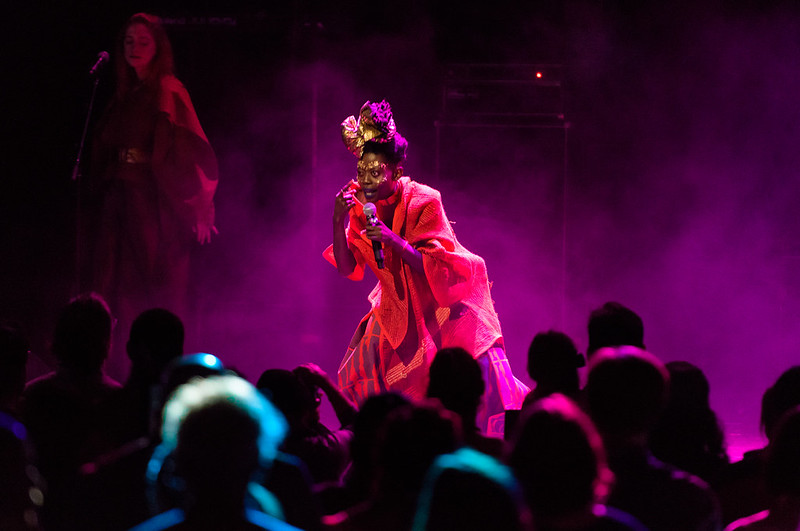 Many believe music, as a universal language, can break down barriers and facilitate communication. In tumultuous times, it is plausible that music may catalyze bringing people together. It serves as a conduit for expressing solidarity in politics and conveying messages about inequality and injustice to broad audiences.
Music as a Creative Outlet
Hip-hop originated from inner-city New York youth facing real-life challenges early in life. It began modestly but grew into a diverse genre with numerous art forms and subgenres. For thousands grappling with poverty and its associated struggles, hip-hop provides an outlet to express both negative and positive emotions about their upbringing and surroundings. The significance of hip-hop’s portrayal of poverty lies in its ability to provide a platform for marginalized voices to share their experiences with a global audience.
By addressing issues like drug use, gang violence, lack of education and incarceration, hip-hop artists not only shed light on the harsh realities of poverty but also challenge societal perceptions and stimulate discussions about systemic inequalities. This representation of music and global poverty fosters empathy and understanding across cultures and borders. It amplifies the voices of those affected by poverty. It also contributes to a more nuanced understanding of its complexities on a global scale. In doing so, hip-hop serves as a powerful tool for social commentary and advocacy, potentially inspiring positive change and greater solidarity in addressing global poverty issues.
Despite evolving, hip-hop remains rooted in the experiences of those who have faced poverty, offering a means of connection and expression for individuals sharing similar backgrounds. This connection between hip-hop and poverty underscores the need for greater societal awareness and action to address the root causes of poverty and its consequences. Moreover, research suggests that music education, particularly in lower socioeconomic communities, can enhance cognitive skills and provide constructive outlets for youth. By investing in music programs and advocating for policies that support arts education, communities can empower future generations to thrive beyond the confines of poverty.
Music and Nongovernmental Organizations’ Marketing
Nongovernmental Organizations (NGOs) are often involved in humanitarian, social, environmental or developmental work. They usually aim to address various issues and needs in society, such as poverty alleviation, human rights advocacy, environmental protection, health care, education and community development.
A study was conducted to analyze English-language videos from NGOs based in the United Kingdom (U.K.), the United States (U.S.) and Canada. The study focused on the emotions evoked by the soundtracks, the narratives about music and global poverty and development conveyed through these emotions, the musical structure employed and whose voices are heard in the videos.
The findings reveal how these emotions are strategically used to reinforce persistent stereotypes about global poverty and development. These stereotypes include portraying the global South as sad and frightening or as poor but happy and depicting NGOs from the global North as the solution to global poverty through the “white savior” narrative.
This narrative is a common trope in literature, films and other forms of media where a white person is portrayed as heroic or benevolent and intervenes to help people of color, particularly in non-Western or developing countries. This often reinforces stereotypes and power dynamics, portraying white individuals or institutions from developed countries as the primary solution to the problems faced by people of color in less developed regions.
Music structure, including tempo, mode, dynamics and instrumentation, is used strategically to evoke specific emotions and reinforce such narratives. For instance, sadness is often conveyed through slow tempo, soft dynamics, minor scales, sparse instrumentation and descending melodic lines. In contrast, joy is represented by a fast tempo, major scales, loud dynamics, ascending melodic lines and increased instrumentation. The analysis also highlights the use of dynamic silence in the final moments of the videos to enhance message retention.
The study suggests further interdisciplinary research using music and sound to represent global poverty and development. It indicates the need for expanded sample sizes, engagement with video producers and the development of ethical guidelines for using music and sound in NGO communications to ensure more responsible and inclusive representations.
Music and Economic Development
While traditionally not a focus of Least Developed Countries (LDCs) policy agendas, music presents new opportunities for economic development and trade in today’s globalized economy. With the global music market exceeding that of traditional commodities like coffee and tobacco, LDCs stand to benefit from exploring the connection between music and global poverty by exporting their musical talent.
Although many developed countries have already capitalized on their music industries, notable musicians from LDCs have gained recognition in Western markets. Yet, the challenge lies in transforming local talent into successful export-oriented businesses. Large international corporations largely dominate the global music industry, preventing LDCs from entering global markets. Additionally, many LDCs lack the necessary entrepreneurial skills and infrastructure to compete in the industry. However, there are newfound opportunities for LDCs to access global markets.
Some musicians, like Youssou N’Dour and Salif Keita, have established their own music companies in LDCs, demonstrating promising efforts to cultivate domestic music businesses. Additionally, The United Nations Conference on Trade and Development (UNCTAD) proposes the Music Industry Development Initiative (MIDI) to address these challenges and opportunities. This initiative aims to build the capacity of LDCs to commercialize their music products through education and training in business skills, marketing and exporting. By empowering LDCs in the music industry, MIDI seeks to combat economic isolation and poverty in the world’s poorest countries.
– Avery Fuller
Avery is based in Princeton, NJ, USA and focuses on Business and New Markets and Technology and Solutions for The Borgen Project.
Photo: Flickr
