5 Strategies for Combating Poverty in India
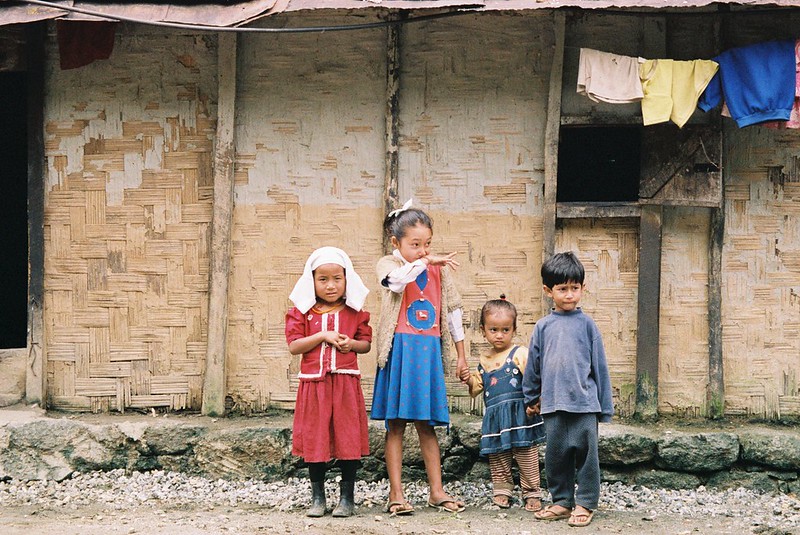 Poverty remains a pressing issue in India, with more than 12.92% living below the national poverty line of $2.15 a day as of 2021 – a number that, with global support, is steadily declining year by year. Here are five strategies aimed at combating poverty and fostering inclusive development in India.
Education and Skill Development
According to the United Nations Educational, Scientific and Cultural Organization (UNESCO), if all students in low-income countries could be provided basic reading skills, an estimated 171 million people would be able to lift themselves out of extreme poverty. If all adults in low-income countries completed secondary school education, it would be possible to cut the global poverty rate by at least half. Hence, access to education and skill development is crucial in combating poverty in India.
Out of all the G20 nations, India has the highest percentage of adults who have not completed primary education. About 46% of 25-64-year-olds have not completed primary education and 71% have not completed secondary education. The average for all G20 countries is 36%. However, several nongovernmental organizations (NGOs) are dedicated to improving the quality of education in India, one of which is Pratham. Pratham focuses on “high-quality, low-cost and replicable interventions to address gaps in the education system” and its programs reach millions every year.
Pratham offers a number of initiatives, from Early Childhood Education to Second Chances, for those who have previously left school without completing their education and is committed to its mission of “every child in school and learning well.”
Health Care Access and Infrastructure
According to a study conducted in 2011, India has an average of 20 health workers per 10,000 people, with most of them opting to work in areas that have better infrastructure and facilities for family life and growth. This leaves poorer areas with a lower density of health workers. As a result of this, only 37% were able to reach in-patient facilities within a 5km distance. There is an understanding that the further one lives from towns, the greater the risk of disease, malnourishment, weakness and premature death.
Furthermore, a 2012 study of six states in India revealed that many of the primary health centers lacked basic infrastructure such as beds, wards, toilets, drinking water, clean labor rooms for delivery and regular electricity. In response to these statistics, the Reliance Foundation, an organization with the motto “Health for All,” is working toward providing access to quality and affordable health care in India. The organization is doing this through community health initiatives, health outreach to vulnerable communities and the provision of quality health care to all.
The Reliance Foundation’s Health Outreach Programme has provided more than 8.1 million consultations to vulnerable patients. Health camps offer specialist care for various non-communicable diseases such as diabetes, as well as communicable diseases like HIV/AIDS and TB. Through these health camps, as well as hospitals in Lodhivali, Jamnagar and Hazira, the Reliance Foundation has been able to support more than 8,000 people with HIV, including children.
Women’s Empowerment and Gender Equality
Gender discrimination fuels women’s poverty in the workplace with limited access to resources and financial assets and deep-rooted stereotypes that limit women’s ability to participate in education and employment. Consequently, 10% of women globally are trapped in a cycle of extreme poverty – something that is clear in India, with 45 million women in poverty compared to 38 million men.
Furthermore, there are risks and vulnerabilities directly linked to political, social and cultural disadvantages for Indian women. These risks expose girls to the possibility of child marriage, teenage pregnancy, poor education and health, sexual abuse, exploitation and violence. By empowering women and increasing the value of women in India, the cycle of extreme poverty can be broken and women can be enabled to fully develop and contribute to India’s growth, as well as combat poverty in India.
Access To Clean Water and Sanitation
Out of a 1.4 billion population, 35 million people lack access to safe water and 678 million lack access to a safe toilet. There are a number of factors contributing to these statistics, such as extreme water stress, lack of access to piped water supplies and changing weather patterns that result in droughts.
While the Indian government’s goal of providing tap water connections to every household by 2024 is positive, this has created an unprecedented urgency to increase access to safe water and sanitation services. However, since 2004, the organization Water.org has played a significant part in improving water and sanitation in India.
The nonprofit is providing access to safe water to more than 25.7 million people through its WaterCredit Initiative, microfinancing disadvantaged regions and providing affordable loans as well as the connections and resources to put a tap or toilet in homes.
Advocacy and Policy Reforms
Regarding policy reforms to combat poverty in India, the Centre for Policy Research (CPR) has been one of India’s leading public policy think tanks since 1973. CPR is a nonprofit, nonpartisan, independent institution. It aims to conduct research that can be used to create better policies and high-quality scholarship while also contributing greatly to the public discourse about combating poverty in India.
Similarly, PRS Legislative Research is an organization seeking to provide information on the work of Members of Parliament (MPs) and Parliament to citizens in accessible formats. Furthermore, it partners with the media and civil society groups to help them engage more with various governmental issues.
This is crucial as the Indian government itself does not provide its legislators with research personnel. Therefore, PRS Legislative Research helps legislators understand various problems and use data and evidence to aid decisions in multiple policies. This results in more researched and educated legislation and policies being passed.
Final Remark
In conclusion, combating poverty in India requires a multifaceted approach encompassing education, health care and policy advocacy. By implementing and maintaining these strategies and fostering collaboration with stakeholders, it is possible to combat poverty in India and create a more equitable and prosperous future for its population in the journey toward inclusive development.
– Emily Weir
Emily is based in Bath, UK and focuses on Global Health and Celebs for The Borgen Project.
Photo: Flickr
