The Lost Boys: Rebuilding Literacy in South Sudan
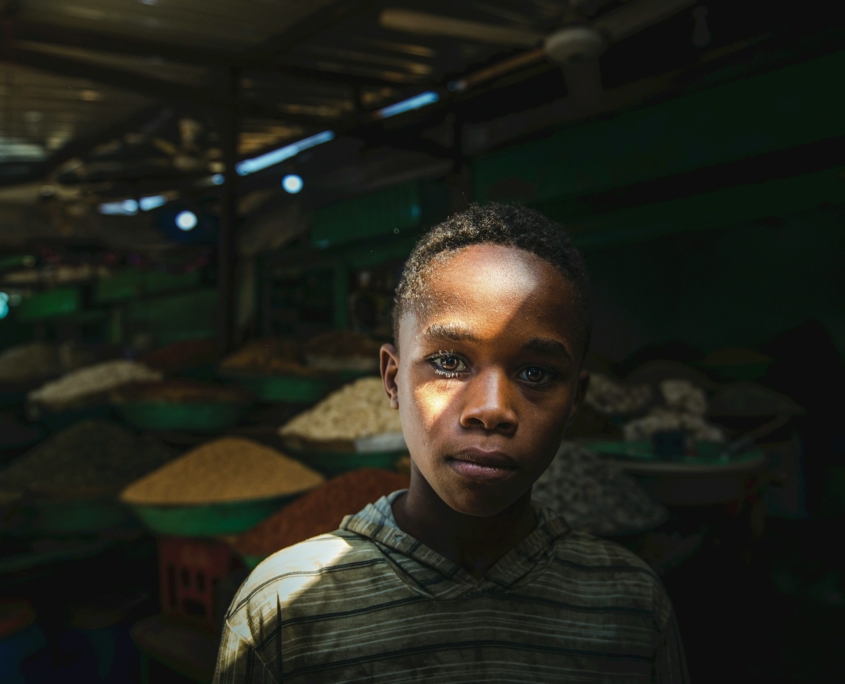 Literacy in South Sudan is a significant challenge, with many women, girls and children queueing daily at wells to fetch water for their families. The program, Literacy at the Well, transforms their waiting time, often exceeding an hour, into a learning opportunity. This innovative initiative offers reading and writing lessons, effectively utilizing the time spent at communal water sources for educational purposes.
Literacy at the Well is an unconventional literacy program. It has been recognized by the United States Library of Congress as a best practice program in the area of Gender Equity and Maternal Literacy. The Literacy at the Well program, launched by the nonprofit organization Lost Boys Rebuilding Southern Sudan (LBRSS), aims to teach South Sudanese women to read and write. Founded in 2005 by South Sudanese refugees, known as the Lost Boys, LBRSS targets the critical literacy challenge in South Sudan.
The Lost Boys
In the 1980s, civil war in Sudan displaced or orphaned 26,000 children, ages 5 to 15, from the Nuer and Dinka ethnic groups. Of those who fled Sudan, only 13,000 reached the Kakuma Refugee Camp in Kenya a year and some 1,000 miles later. They became known as the Lost Boys of Sudan because they arrived at the camp without their parents and separated from their families. These boys spent most of their childhood in refugee camps before resettling in the United States (U.S.).
In 2001, nearly 4,000 of these boys found refuge in the U.S., with many settling in Chicago. The International Rescue Committee assisted hundreds of them in starting new lives in cities across the country. The film “The Good Lie,” released in October 2014, highlights the physical, emotional and educational journey of the Lost Boys.
Literacy Rate in South Sudan
As of 2021, South Sudan holds the lowest adult literacy rate for individuals aged 15 and older, with more than 70% of its population under 30 years and half unable to read or write. The country also has approximately 2.8 million children out of school, representing the highest global proportion of out-of-school children. Moreover, a lack of education could keep South Sudan from developing, realizing its citizens’ full potential and breaking its dependency on external support.
The Vision Becomes a Reality
LBRSS raised funds to build schools and provide education in South Sudan. Yet, upon the completion of the first school, no girls attended. Recognizing that girls play a crucial role in spreading education within their families and communities, Ms. Wendi Dwyer, LBRSS’s executive director, joined the effort after meeting Arkangelo, a Lost Boy and founding member of LBRSS, who sought her assistance.
As LBRSS prepared to open a primary school, it found the building filled with women and girls seeking shelter from the sun while waiting to fill their water jugs. Upon being asked if the girls wished to learn to read and write, nearly all responded affirmatively. Thus, Literacy at the Well came into existence.
The Cost Explained
Providing a community with a teacher costs $4,000. Every dollar supports teacher training, salaries and supplies. South Sudan communities contribute by recruiting, training and hiring residents as teachers. Furthermore, these educators rely on students to extend their instruction by sharing lessons with neighbors, children, sisters and husbands.
Currently, LBRSS has 6 sites in 6 communities. Each site serves more than 200 women and girls. In addition, it has built the Malualkon Community Learning Center where more than 400 students attend classes each day.
Looking Ahead
The Literacy at the Well program in South Sudan is pioneering a transformative approach to education, turning everyday chores into opportunities for learning and empowerment. By tapping into the communal spirit at water wells, this initiative is not just teaching women and girls to read and write but is also fostering a culture of education that resonates throughout communities. Above all, the promise of literacy beckons a future where knowledge flows as freely as the water, enriching lives and nurturing the seeds of development and equality.
– Pamela Fenton
Photo: Unsplash
