Responsible Tourism in Mongolia
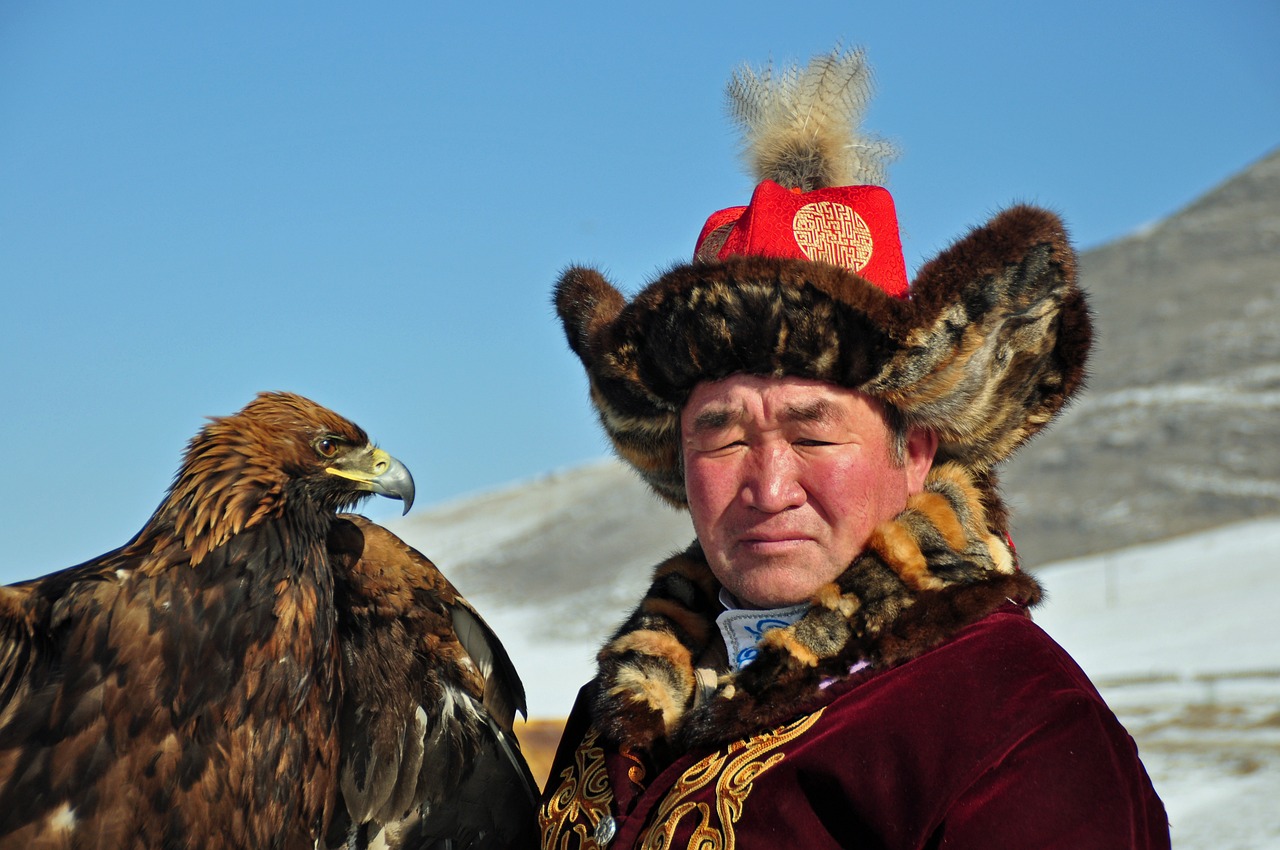 Mongolia, the birthplace of Genghis Khan and home to a sweeping landscape of plains and nomadic traditions, transferred to a market economy in the ’90s, resulting in privatization and, unfortunately, increased poverty. More than 6% of the population lived in poverty in 2018 and it has become significantly worse since COVID-19.
Responsible tourism is a way to address this and experience a once-in-a-lifetime trip. Responsible or ethical tourism, refers to holidaymakers and travelers spending their money respectfully and consciously. This can include staying in local accommodations, residing with families from the respective countries, or opting for package deals that support excavations without exploiting the culture, environment or people.
According to the World Bank, tourism and hospitality is the third largest sector in the country. Here are some ways in which to be a responsible tourist.
Sleeping Like a Local
Poverty is more prevalent in urban areas than in rural areas and traditional nomads are experiencing the most significant impact. An effective way to support them is by actively engaging with their communities, such as by sleeping among them. More than half of the Mongolian population resides in portable homesteads known as “gers,” a round open structure without walls that symbolizes the country’s nomadic history.
Choosing to stay with nomadic families in their homesteads or “gers,” not only offers an authentic experience of traditional life but also benefits the local population. This choice provides income to herders and families while fostering cultural exchange. Furthermore, visitors can contribute financially and through labor, as specific travel organizations like Projects Abroad offer working holidays where tourists actively participate in the daily workload.
Support Local Communities
By purchasing local food, produce and locally crafted souvenirs, individuals actively support local businesses and contribute to the income of rural families. This practice also aids in reducing urban migration and fostering business growth. Numerous tour operators collaborate with community-driven projects, ensuring that a portion of their profits is invested in the community through health care, education or infrastructure development in remote regions.
For instance, “Tour Mongolia” operates a “nomad library,” supplying books to rural children who may not otherwise have access to education. Another example is “Mongolian Travel and Tours,” which directly and fully compensates families providing services for tourists.
Stay Green
Incorporating a green agenda into tourism is possible and the two concepts complement each other. For instance, in the Khovsgol province, a joint effort between the local government and nongovernment organizations has led to a community-based ecotourism initiative. This initiative offers accommodations, such as staying in a ger with a local family and extends to actively contributing to the preservation of the area’s distinctive ecosystem.
Similarly, in Ulaanbaatar, the capital, investment and initiative in green infrastructure have resulted in the installation of solar panels and green roofs. This initiative is worth exploring for those seeking an education on sustainable living.
Whether through choosing an ethical tour operator or making a conscious decision to be a responsible tourist, it is possible for a once-in-a-lifetime trip not only to bring happiness to the traveler but also to impact the communities visited positively.
– Jack Timmins
Photo: Pixabay
