USAID/BHA Food Assistance
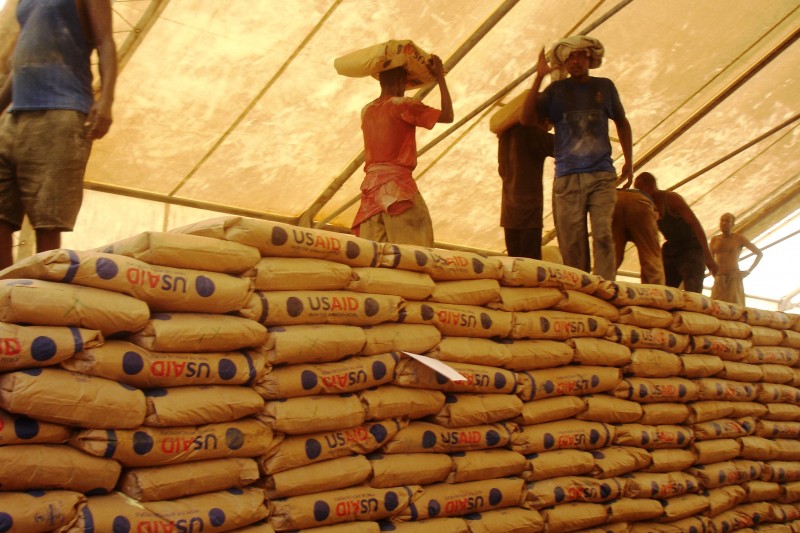 Food insecurity affects more than 783 million people worldwide and is a significant driver of poverty. Suppose people are unable to secure their basic food needs. In that case, it is difficult to focus on addressing their other needs, such as medical concerns, employment and access to other services, like housing and electricity. Additionally, as reported by the United States Agency for International Development (USAID) Bureau for Humanitarian Assistance (BHA), the government entity that provides humanitarian food assistance around the world, alleviating hunger also helps protect the security of those in need and the United States (U.S.) because food insecurity can create and exacerbate conflict.
Strategies and Funding Allocations
For this reason, the USAID/BHA allocates much funding towards its food assistance programs: more than $6 billion in the Fiscal Year 2022 alone, helping more than 167 million individuals worldwide. It also partners with the World Food Program (WFP) and various humanitarian NGOs to provide funding and food provisions to even more needy people. The methods by which this assistance reaches those experiencing food insecurity go beyond providing food and are adapted to the specific conditions facing the countries and communities requiring food aid. These strategies vary from direct food assistance from the U.S. to locally procured food products and even cash or food vouchers given to those who need them to use at local markets.
In-Kind Food Assistance: A Rapid Response System
One common method of providing food aid is through provisions directly delivered by the U.S. to those in need. Referred to as “in-kind food assistance,” food parcels are taken from USAID distribution centers in Miami, Florida; Dubai, UAE; Durban, South Africa; and Djibouti City, Djibouti.
These warehouses are stocked with up to 50 million metric tons of food supplies, enabling a swift and robust response to urgent food needs worldwide. Basic staples such as rice, vegetable oil and lentils are readily available for deployment in critical situations. The reliability of the in-kind food assistance system proves particularly effective in addressing acute hunger resulting from emergencies, including conflicts or natural disasters.
A recent example highlighting the efficacy of this assistance occurred in Kenya, where years of drought made food both scarce and prohibitively expensive in 2022. It necessitated importing food aid into the country through USAID/BHA and WFP. Another instance underscores the crucial role of this assistance in Yemen, currently grappling with one of the world’s most severe humanitarian crises. Conflict in Yemen has severely disrupted local food supplies and markets, necessitating the importation of in-kind food assistance to address the insufficient capacity of local resources to provide for its citizens.
Supporting Economies and Meeting Local Preferences
USAID/BHA also utilizes other methods of providing food aid to those who need it beyond in-kind food assistance. One such method is using USAID/BHA funds to buy food provisions from local markets to distribute to those experiencing food insecurity. This allows USAID/BHA funds to support the local economy and provide foods that are more familiar and comforting to those experiencing hunger. It also can often be a more affordable and quicker method of food assistance for aid groups in places where conflict has made locally procured food assistance an essential supplement to in-kind food assistance, which can sometimes be costly to provide in these areas and can often be delayed. This recently has been the case in South Sudan and Afghanistan, where locally procured food products have helped aid groups provide food to those who need it.
Direct Cash Assistance
Another method is giving money directly to those in need so that can buy food at local markets. This is more common in places where there is technically enough food to feed the population locally, but it is unaffordable for those experiencing food insecurity or crisis. An example of USAID/BHA utilizing this approach is in Guatemala, where much of the population experiences hunger and malnutrition. Guatemala has the highest rate of childhood stunting in Latin America and the Caribbean. USAID/BHA efforts in Guatemala are entirely based on cash transactions, rather than in-kind food transfers or local procurement, in conjunction with other programs that partner with local farmers to strengthen agricultural supply and resiliency.
Food Vouchers
Finally, the last method utilized by USAID/BHA to help those experiencing hunger is by providing food vouchers, which can then be redeemed at local markets. A voucher, rather than monetary assistance, ensures that the funding is used for specific nutritious food items and decreases the possible dangers of possessing cash in certain volatile situations. An instance of this method in action is in Syrian refugee camps, where electronic vouchers are often provided to those living in these camps to procure food for themselves and their families.
Conclusion
Overall, USAID/BHA food assistance, as well as food aid provided by WFP and various NGOs supported by USAID/BHA, offers a range of methods to provide food to those experiencing food insecurity. This multifaceted approach allows these programs to adapt to the changing conditions and needs of different communities and situations globally. The flexibility inherent in utilizing all of these approaches, often in conjunction with each other, ensures that food reaches those in need efficiently while providing the added benefits of giving back to the local economy and providing some autonomy and comfort to those facing hunger. Most importantly, USAID/BHA food assistance helps keep people worldwide from having to go to bed hungry.
– Lyle Seeligson
Photo: Wikimedia Commons
