Hunger and Poverty Among Small-Scale Farmers
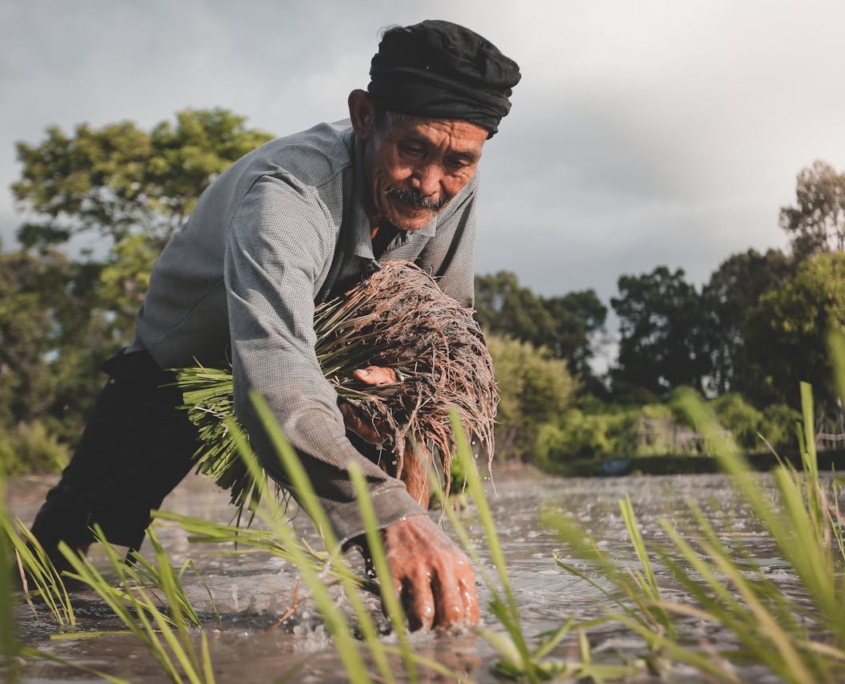 Farmers who cultivate our food often live in poverty and hunger. In rural areas, where 80% of the world’s impoverished reside, these individuals face a high risk of chronic food insecurity. Despite farmer’s crucial role in food production, agricultural workers endure exploitation, with 13% of adult forced labor and 70% of forced child labor occurring in this sector. Small-scale farmers work long hours with minimal social and labor protections, lacking fair wages and unemployment benefits.
Empowering Small-Scale Farmers
Small-scale farmers and rural residents often rank among the poorest, with a single poor harvest impacting their livelihoods for years. These farmers primarily produce basic goods, placing them low in the value chain and limiting their earnings.
Addressing rural poverty and ensuring the rights of small-scale farmers are essential for sustainable food systems. This article examines the Decent Work for Equitable Food Systems Coalition, a joint initiative by the International Fund for Agricultural Development (IFAD), CARE International and the International Labour Organization (ILO), focusing on its role in combating rural poverty and supporting small-scale farmers.
The Coalition’s Impact on Rural Farmers
The Decent Work for Equitable Food Systems Coalition aims to ensure social and economic equity, along with access to adequate, nutritious food for all food system workers. It upholds human rights and labor laws, advocating for jobs in the agri-food industry that offer fair, livable wages.
In addition, the coalition concentrates on rural youth, addressing their specific challenges and fostering opportunities and promotes social inclusion to support small-scale farmers who may feel isolated and disempowered in rural areas. Through advocacy and the creation of knowledge, the coalition aims to solve these issues and move toward sustainable, equitable food systems.
Upholding Workers’ Rights
The coalition emphasizes creating better jobs in the agricultural sector to assist the rural poor. It targets an industry critical for the livelihoods of 4.5 billion people who depend on food systems, where 90% work in informal employment.
In fact, these workers, often among the world’s poorest and most vulnerable, include indigenous peoples and impoverished women whose livelihoods depend on agriculture. The 2021 United Nations Food System Summit underscored “Advancing Equitable Livelihoods, Decent Work and Empowered Communities” as a critical area for action to support the Sustainable Development Goals.
Furthermore, to eliminate rural poverty, it’s essential that agricultural jobs offer fair wages and uphold the rights of workers. Although the Decent Work for Equitable Food Systems Coalition is relatively new and data on its impact is still emerging, its efforts in research and advocacy for fair wages and rights for small-scale farmers are available for review on its website.
Looking Ahead
The Decent Work for Equitable Food Systems Coalition represents a beacon of hope for small-scale farmers, promising a future where fair wages and labor rights are not just ideals but realities.
By focusing on the empowerment of rural youth and the inclusion of marginalized groups, this initiative is laying the groundwork for sustainable and equitable food systems. As efforts continue to unfold, the promise of a world where every agricultural worker receives just compensation and recognition for their invaluable contribution grows ever more tangible.
– Sara del Carmen Navarro Galvan
Photo: Pexels
