Gender-Based Violence in the DRC
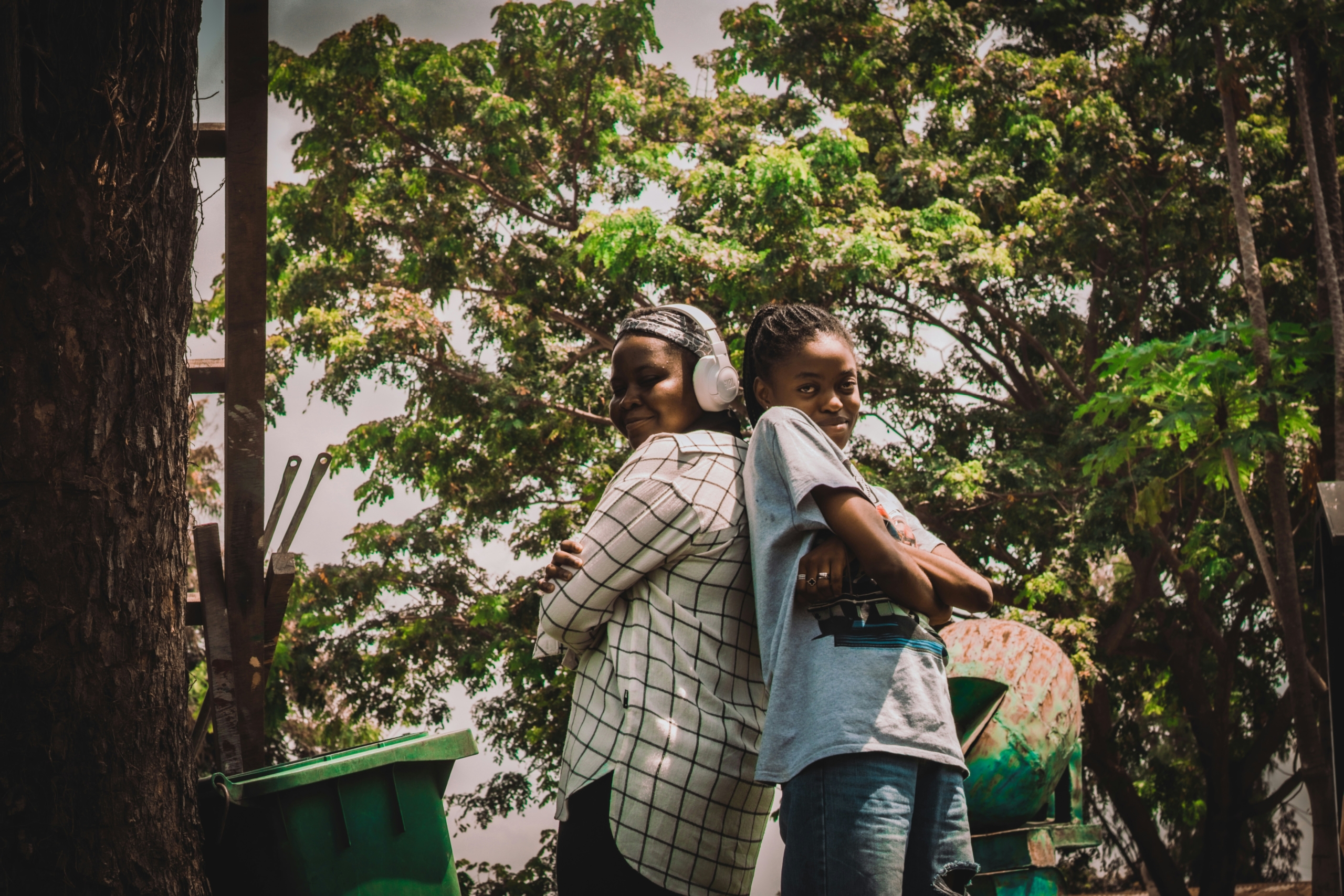 Violence against women is a longstanding epidemic that, on average, affects one in three women worldwide. While laws exist globally to safeguard women from the violence they endure, numerous countries adhere to customs and traditions that inflict harm upon women and girls within their borders. In many instances, the legal system tends to overlook these injustices. Globally, initiatives and charities work to combat gender-based violence, but implementing change in large, remote places like the DRC is difficult and strenuous.
Domestic Violence
Issues such as child marriage and lack of education are both detrimental to women and girls in the DRC. Other issues like female genital mutilation also contribute to gender-based violence, as it sets the precedent from a young age that girls are undervalued and exploited. According to estimates, at least 52% of Congolese women and girls over the age of 15 have experienced physical violence in their lifetimes, with the number only increasing as the girls become women. However, countless organizations aim to reduce these high rates of violence against women and girls throughout the nation.
Nevertheless, countless organizations aim to reduce these high rates of violence against women and girls throughout the nation. They achieve this by providing women and girls with access to opportunity and education and making the government aware of these gender-based issues. Specifically, some organizations build schools and offer scholarships to help girls access education and escape child marriage. Others provide job training and microloans to help women gain financial independence. Campaigns also pressure the government to strengthen laws protecting women and harshly punish violence and discrimination.
Disease and Illness
In addition to gender-based violence, the DRC struggles with health challenges such as Ebola. Millions of individuals have faced displacement while seeking food and secure accommodations. The frustration and anger people feel regarding these issues could easily affect women, as anger often manifests as violence against them. Organizations have also been mobilized in the Congo to aid those displaced and who suffer from illness as a result.
Preventative Methods in the DRC
Different organizations and programs have been launched both by the Congolese government and international bodies to prevent gender-based violence in the central African country. Specifically, the DRC’s government has “developed an accountability framework to address gender-based violence, including national protocols for case management and a database of incidents.”
The United Kingdom (U.K.), one of the countries offering the Congo support against gender-based violence, has played a pivotal role in reducing domestic violence against women and girls in the nation. In two years, the “What Works To Prevent Violence Against Women and Girls” program implemented by the U.K. in the DRC has successfully decreased domestic violence against women from 69% to 29%. Furthermore, U.K. aid intervention has led to a significant decline in violent sexual crimes committed by non-partners, dropping from 24% to 4% within the same timeframe.
Looking Ahead
Efforts to address violence against women and girls, both within the Congo and through external organizations, have significantly improved the well-being of Congolese women and girls. However, opportunities for further enhancements in safety and well-being persist. Recent trends suggest that as long as missions aimed at empowering women through education, financial independence and legal safeguards continue, there is a sustained reduction in violence rates and an increase in opportunities for Congolese women and girls. Advocates and activists work tirelessly toward a future where women and girls in the Congo can live free from violence and discrimination.
– Lily Thornhill
Photo: Unsplash
