Addressing Period Poverty in Somalia
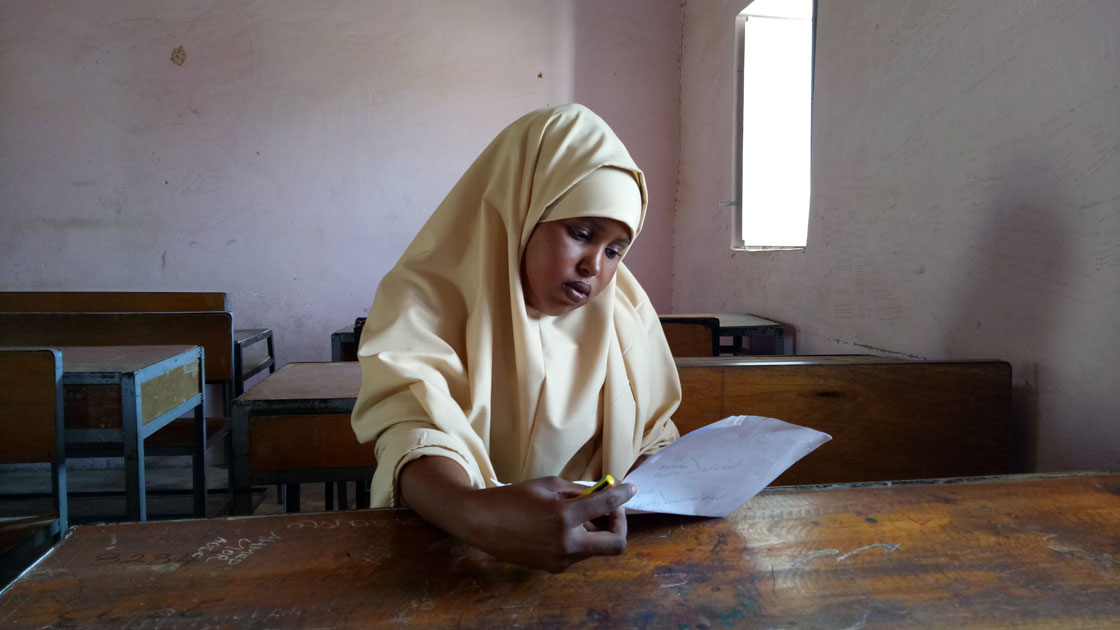 “No woman in Somalia is happy to be a woman because, from the cradle to the grave, woman is a victim” remarks Nadia Sufi Abdi, a human rights documentation officer at the Somali Women Development Centre in Somalia’s capital, Mogadishu.
Period Poverty as a Result of the Economic Situation in Somalia
After 25 years of internal conflict, Somalia faces significant challenges, with half of its population living in poverty. Nearly a third of Somalians endure extreme poverty. In this context, women confront an additional challenge: period poverty. This term refers to the inability to afford basic sanitary products. Sanitary pads, costing $3 per pack, are unaffordable for many, forcing them to use unsanitary alternatives like dried cow dung and leaves.
Period poverty in Somalia has its roots in widespread gender discrimination, evident in the country’s patriarchal society. Somalia’s Gender Inequality Index score is 0.776, with 1 indicating absolute gender inequality. This score places Somalia among the countries with the most significant challenges in women’s rights. The Somali Women Development Centre in Mogadishu reports that Somalia has the highest levels of violence against women in Africa. Such deep-seated gender discrimination worsens period poverty, creating an environment where women’s health and voices receive little priority.
How is Somalia not Supporting Women’s Health?
Around two decades of political instability coupled with extreme droughts has forced Somalia into severe food insecurity. Unable to afford essentials, most notably period products, some poor Somali women, as young as 10, offer sex in exchange for food and other basic necessities. By being sexually exploited, usually by older men, women are at a higher risk of unwanted pregnancies, worsening their financial situation and pushing them into a life of poverty. Adding to this crisis is the fact that women cannot access safe and hygienic spaces, which is so essential during menstruation. A lack of privacy in the form of gender-segregated toilets and mostly absent toilet doors only increases the risk of violence against women.
Period poverty in Somalia is additionally worsened by the shocking lack of health care for women, which results in a lack of awareness about healthy menstrual care practices. One Somali woman claimed, in a study based on focus group interviews, that “Somali women never go to the doctor, because we go and the doctor believes we are crazy or psychotic, and we say that makes us more crazy so we don’t go.” A former obstetrician and gynecologist living in Somalia has commented that “there are no hospitals, no health care.”
Regressive Practices Contributing to the Problem
Furthermore, women would be more vulnerable to infections if they have been subject to female genital mutilation, a practice common in Somalia and other African countries. Around 98% of girls, between the ages of 9 and 15, living in Somalia endure female genital mutilation. This is a widely accepted social practice that seeks to improve a girl’s matrimonial prospects. This exposes the gender-discriminatory structure of Somalia, where women are forced to put their health at risk since they are reliant on men financially if they want to access menstrual products. WHO has stated that female genital mutilation increases the risk of dysmenorrhea (painful menstruation) and causes a host of other health issues.
Effect on Women’s Education and Financial Situation
These deplorable conditions deter women from participating in Somali society. Only 25% of girls have attended formal schools for education and only 35 percent of women, between the ages of 20 to 25, have at least some years of education in their background. Additionally, more than 10% of female students miss an estimated three to four days per month during their periods. This highlights a lack of adequate sanitary toilets and products that leave a significant number of girls deprived of basic education. A lack of education in turn means that women miss out on learning essential skills including basic hygiene and healthy menstrual care, heightening the risk of neglect or infection. It also results in women being underqualified for jobs and therefore left out of the workforce.
Ongoing Efforts
In 2020, GBV Area of Responsibility provided 12,816 people with dignity kits, in 17 coordination hubs across Somalia, which included sanitary products and rape kits. Such measures help counter period poverty by providing free access to essential health care products, reducing the spread of infection.
In the same year, UNFPA, a reproductive health agency, distributed 10,000 reusable sanitary pads and an additional 20,000 in 2021. To further counter period poverty in Somalia, the organization supported and educated community health workers, helping them provide care and information surrounding safe menstrual health practices. UNFPA also aimed to provide safe environments for women to help them prioritize their health by working with camp officials to distribute flashlights and install lights in their bathrooms.
Concern Worldwide, a humanitarian organization, works toward gender equality in Somalia to improve the condition of women there. To date, it has supported 13 fixed and 15 mobile health centers in Somalia, additionally establishing self-help groups for women, striving for economic and social empowerment through loan systems. By supporting women’s finances and health, Concern Worldwide is fighting against period poverty.
Looking Ahead
Somalia remains an unsafe country for women owing to extreme poverty and gender inequality, actively putting women at risk from their unhygienic environments and inaccessibility of period products, heightening the issue of period poverty. Independent organizations have attempted to support Somali women in terms of finances and health care needs. However, the Somalian government has been largely criticized for its apathy in this matter. For instance, laws preventing gender-based violence have remained as drafts, unprioritized, meaning women continue to fear leaving their houses and avoid going outside to access health care or education. As a result, period poverty in Somalia has remained a major issue, depriving scores of women and girls of a life of dignity.
– Anna McDonald
Photo: ri.org
