SAP Launches Educate to Employ Initiative in South Africa
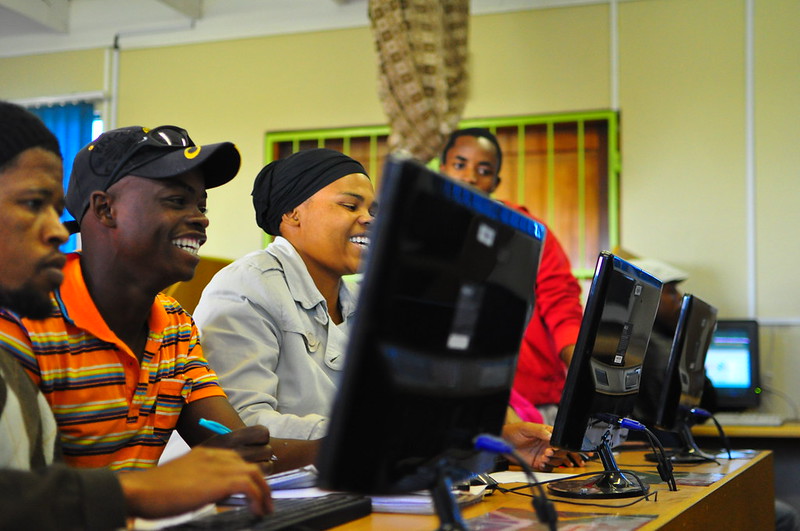 In November 2023, SAP, in collaboration with UNICEF and other public-private organizations, such as the National Youth Development Agency, activated its Educate to Employ Initiative in South Africa. The initiative aims to “introduce a pathway that will possibly resolve the disproportionate levels of youth unemployment.”
Unemployment in South Africa
Although South Africa the most industrialized country in Africa, it ranks among countries with the world’s highest youth unemployment rate, with a reported 51.25% of its youth facing unemployment. According to the Republic of South Africa’s Quarterly Labor Force Survey in 2023, individuals aged 15 to 34 experience particularly high levels of unemployment. Notably, 60% of those between 15 and 24 years old are without employment and around 34% of young people in this age group are not engaged in employment, education or training.
How SAP is Helping
SAP will work towards granting equal opportunities for “underrepresented individuals, including minorities from diverse ethnic backgrounds, women, differently abled individuals, the underprivileged and the disadvantaged.” It will select about 100 applicants from a pool of 18,000 across the continent. The selected individuals will undergo remote training over a six to 12-month period.
The SAP Student Zone Portal allows students to learn about the latest SAP solutions for free. “The curriculum also encompasses employability skills, technology in the workplace, business foundation knowledge, SAP foundational knowledge and SAP skills certification.” Upon completion of the course, they will have the opportunity to secure various IT internships in departments such as consulting, development, analysis and support within the SAP ecosystem.
Businesses alone cannot close the age gap in the workforce. According to a study that the National Research Foundation conducted, “the education system fails to adequately provide youth with even basic skills, such as literacy and numeracy, that employers require.” Studies show that although multiple factors are at play when it comes to youth’s access to the job market, they mainly suggest interventions that can address and offer “skills, social capital and information gaps that young people face.”
Focus on Socio-emotional Skills
Programs like this initiative focus on socio-emotional skills, also referred to as “soft skills.” These skills include emotional intelligence, problem-solving and critical thinking. Businesses that participate in programs like Educate to Employ will also have the opportunity to gain access to certified and diverse talent and help “bridge the demand and supply gap for SAP skills and accelerate digital transformation within their respective countries through a digitally skilled workforce.”
“We welcome SAP’s continued investment into skills development for the youth and extend our congratulations to UNICEF and SAP on their partnership. The South African government is encouraged by the initiative and we look forward to supporting efforts to scale the SAP Educate to Employ initiative,” expressed Pinky Kekana, Deputy Minister in the Presidency for Planning, Monitoring and Evaluation, at an event that showcased the SAP Educate to Employ initiative in Johannesburg.
Eugene Ho, the Global Corporate Social Responsibility Director for Future Skills at SAP, said the company is not focusing on bridging the gap between education and the world but rather finding a solution “to global unemployment, increasing the competitiveness of economies and enhancing their attractiveness to investors, all of which are essential for growth.”
– Noura Dakka
Photo: Flickr
