5 Facts About Child Mortality in Somalia
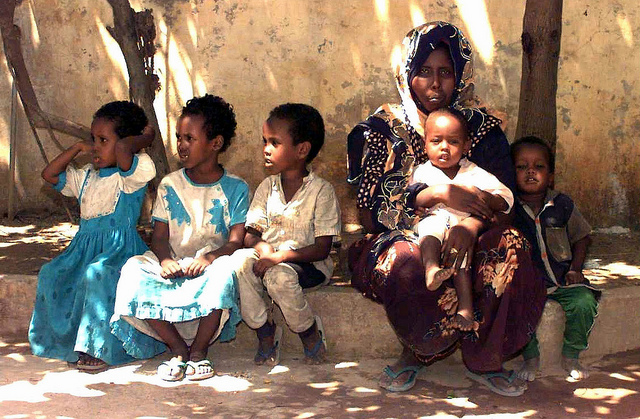 Somalia is a country in the Horn of Africa. Despite Somalia’s mostly homogenous cultural identity, political violence has long threatened its efforts toward stability. In 1960, territories from an Italian colony and a former British protectorate combined to form the Somalia Republic. However, not long after the republic’s inception, Mohamed Sian Barre overthrew its popularly elected president to install a socialist dictatorship, reigning until his sudden overthrow in 1991.
Despite U.S.-backed peacekeeping efforts, a bloody civil war would persist for decades, destroying Somalia’s centralized government. In 2012, an African peacekeeping mission deployed troops from neighboring Ethiopia, tentatively restoring a centralized order. However, Somalis still struggle with the far-reaching consequences of war. Among its population of 17 million, nearly 70% live below the poverty line. Children, in particular, bear a disproportionate burden, facing inadequate health care, malnutrition and ongoing conflict that threaten child mortality in Somalia. For every 1,000 births, 62 infants die prematurely and one in eight children die before reaching the age of five. Here are five facts about child mortality in Somalia.
1. Displacement Threatens Somali Families
Despite efforts towards political stability, Islamist terrorist groups continue to pose a threat to both Somalia’s government and its most vulnerable citizens. Al-Shabaab is a faction of Islamic insurgents that has been active since the outbreak of the Somali Civil War. Though primarily concentrated in Somalia, al-Shabaab has been linked to numerous terrorist attacks across East Africa, imperiling civilians and forcing their relocation.
More than 3.8 million Somalis have experienced displacement, often undertaking long journeys with their children. Many children have died along the way, often succumbing to hunger or disease. Displaced children are frequently separated from their families or willingly embark on journeys in search of essential resources or opportunities. Sadly, these children often become vulnerable to maiming, sexual violence or recruitment into military organizations.
2. Armed Forces Recruit Somali Children
In 2020, the United Nations (UN) released a report detailing the prevalence of child soldiers in various Somali military organizations. According to the report, armed groups recruited nearly 1500 children to their respective causes, with some recruits as young as eight years old.
Al-Shabaab emerged as the primary recruiter, while government organizations such as the Somali Police Force were also found to have enlisted child soldiers. According to a similar UN report released in June 2022, approximately 800 children were either killed or maimed due to their association with armed groups. Spurred to action, the Somali government has implemented anti-recruiting tactics, such as screening military personnel and organizing awareness campaigns.
3. Food Crises Increase Child Mortality in Somalia
Somalia is suffering its worst drought in 40 years. Though once agriculturally rich, five failed rainy seasons have severely hindered food production, damaging crops and killing livestock. Similarly, the war in Ukraine has stymied grain imports. The resulting food crisis has particularly endangered Somali children, with more than 1.4 million children likely to suffer from acute malnutrition. Malnourished children experience stunted growth, delayed cognitive development and weakened immune systems. Similarly, malnourished children are 11 times more likely to die of diarrhea or measles than nourished children.
4. Poor Health Care Jeopardizes Somali Newborns
Ongoing conflict and strained infrastructure have crippled the Somali health system, leaving only one-third of health facilities currently operational. This scarcity has limited new and expectant mothers’ access to trained midwives, clean water and proper postnatal care. Similarly, as extremist organizations continue to disrupt civilian life, many mothers face challenges in accessing medical facilities and ensuring proper vaccination for their infants. Unvaccinated children are vulnerable to a host of communicable diseases, including measles, polio and whooping cough. Consequently, four in 100 Somali children do not survive their first month of life.
5. Humanitarian Efforts Combat Child Mortality in Somalia
More than 8.25 million Somalis need humanitarian aid, prompting action from a broad international community. In 2023 alone, the European Union (EU) allocated €85.3 million to improve health care, facilitate cash transfers and implement disaster warning systems. Similarly, to better protect children’s health, UNICEF has partnered with WHO and the Somali government to implement vaccination programs. In offering vaccines primarily to children and other vulnerable populations, UNICEF and its partners aim to promote herd immunity over time.
Looking Ahead
Child mortality in Somalia continues to complicate its attempt toward stability. Vulnerable to routine violence, food shortages and an ailing health care system, Somali children often fail to reach adulthood or even adolescence. Though ongoing conflict has hindered improvements in civil infrastructure and quality of life, a committed international community still works to ensure each child has a chance at life.
– Sydney Verdi
Photo: Flickr
