Addressing the Decline in the Madagascar Economy
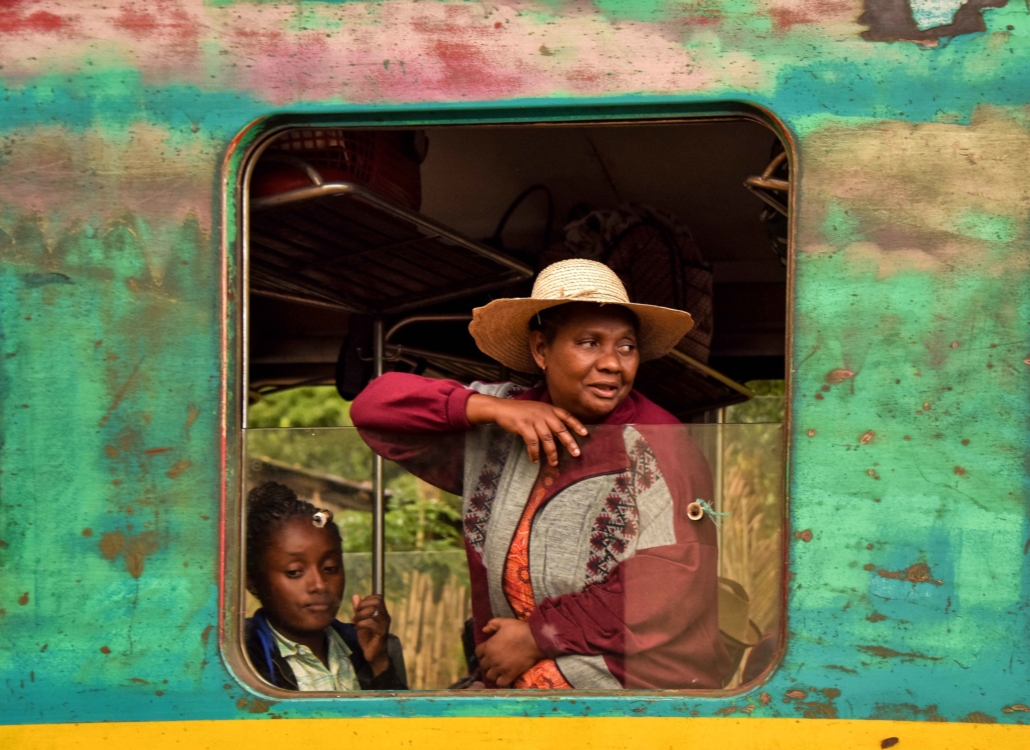 Madagascar is a large island country situated in the Indian Ocean. While its population is growing, one cannot say the same for its economy. The island nation is grappling with a dire economic crisis led by a troubling downturn in GDP. This article delves into the factors contributing to the unsettling decline in the Madagascar economy.
Political Instability and Economic Consequences
Madagascar has faced several political crises over the past few decades, leading to a lack of stable governance and consistent economic policies. From 2008-to 2013, the Malagasy government experienced the most extended period of political uncertainty. Consequently, this led to a lack of recognition from the global community. Since then, it has faced ongoing battles which have deterred foreign investors. Hence, the Madagascar economy has struggled to attract the foreign capital essential for development, causing a detrimental impact on GDP.
Agriculture
The country’s unique biodiversity and rich ecosystems have also suffered from economic decline. Madagascar is no stranger to environmental challenges, including deforestation and soil erosion. In 2022, Madagascar suffered from extreme droughts, which led to mass food insecurity for 1.6 million people. Since then, subsequent flooding and clones have left agriculture heavily impacted.
The decline in agricultural output, a critical component of Madagascar’s economy, has exacerbated natural disasters and environmental challenges. Reduced crop yields and disrupted farming practices have hit hard, leading to food scarcity and an increase in the cost of living for Malagasy citizens.
The Global Economic Impact of COVID-19
The pandemic’s global reach has not spared Madagascar. The country’s economy relies heavily on exports, particularly in the textile and mining sectors. The slowdown of international trade and economic uncertainty stemming from the pandemic severely curtailed Madagascar’s economic growth. Reduced demand for exports and disruptions in supply chains resulted in a GDP of 7.1% and 9.8% income per capita. Approximately 1.8 million people in 2020 fell below the international poverty line.
Consequences of the Economic Downturn
The steep decline in Madagascar’s GDP has triggered a host of consequences. A rise in poverty rates is one of the most pressing concerns, as livelihoods are threatened and access to basic necessities becomes increasingly challenging for the population. Social unrest is also rising due to economic desperation and political frustration. Furthermore, Madagascar is facing a growing humanitarian crisis as food insecurity deepens and access to health care becomes more limited.
Going Forward
The Madagascar economy as a result of the COVID-19 pandemic. Despite being enriched with abundant rare minerals, precious stones, fishing resources and extensive fertile land, the nation struggles with poverty. Even though Madagascar has great potential, it has not experienced substantial economic growth since gaining independence from France.
The Madagascar Development Fund (MDF), which formally began in 2008, is a nonprofit organization that focuses on improving the everyday lives of people in Madagascar. As of 2017, the organization has funded 225 projects that helped improve health care and sanitation, education access, clean water and more.
With support and assistance from non-governmental organizations such as the MDF, the country can make gradual strides toward positive economic development.
– Sophie Higham
Photo: Flickr
