Child Soldiers in the Central African Republic
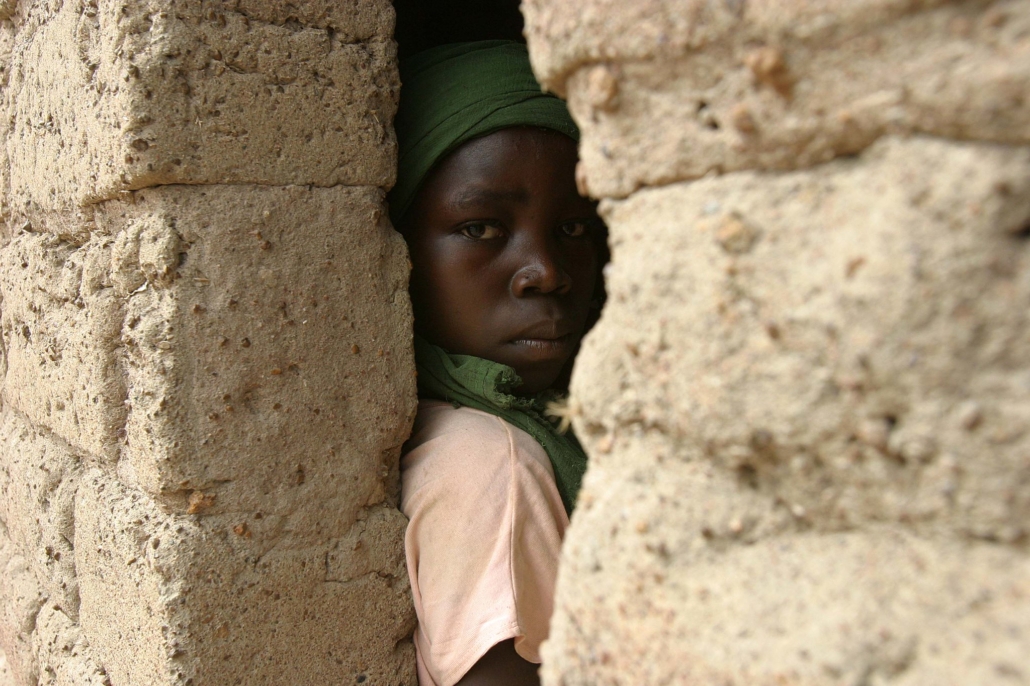 In June 2023, UNICEF reported that militant groups across the world recruited at least 105,000 children. The Central African Republic (CAR) constitutes a large portion of this statistic and has one of the highest numbers of child soldiers in the world.
Years of armed conflict mean the political landscape of the CAR is highly unstable. Attempts to reduce political volatility including the 2019 peace agreement, have largely been unsuccessful. UNICEF considers the exploitation of children as soldiers, as one of the worst forms of child labor damaging a child both physically and detrimentally psychologically. Here are seven facts about child soldiers in the Central African Republic.
7 Facts About Child Soldiers in the CAR
- The Broadness of the Term ‘Child Soldier’ – A child soldier is anyone under the age of 18 who a militant group recruits and uses in any capacity. This encompasses exploitation as messengers, cooks, spies, guards, human shields, combatants and for sexual purposes. Child soldiers in the Central African Republic are not only those involved in direct fighting.
- Female Child Soldiers are Silent Victims of War – In 2023, the charity Theirworld estimated that 40% of child soldiers across the world are currently girls. Male combatants predominately use them as sex slaves and refer to them as ‘wives,’ resulting in the girls suffering greater gender-based violence. This is typically less reported and therefore statistics often exclude female child soldiers rendering them silent victims in conflict. In March 2023, the World Bank reported the CAR currently has one of the largest gender inequality gaps in the world ranking 188 out of 191. Greater emphasis on the empowerment of women is necessary to reduce violence against girls and increase awareness surrounding their use as child soldiers in the Central African Republic.
- Child soldiers Account for the Most Common Violation Against Children – The 2022 Human Rights Council reported 647 child victims of child rights violations in the CAR which included sexual violence, illegal imprisonment and the use of children in armed conflict. The latter violation was reported as the most frequent. In 2022, the UN reported this figure had decreased since 2021. However, to minimize this statistic, a greater emphasis on preventing the recruitment and subsequent exploitation of children as soldiers is necessary.
- The Release of Child Soldiers is Only Half the Battle – In 2022, the UN reported the successful release of 134 child soldiers in the CAR after discussions with militant groups. However, the removal of children from violent conflict does not equate to their immediate return to normalcy. Child soldiers are highly vulnerable to re-recruitment. Stigmatization of child soldiers in the Central African Republic may lead to their alienation from society as they are deemed dangerous and even made scapegoats. This also increases their chances of re-entering conflict and even remaining in it until they are adult soldiers.
- Reintegration is Possible Via Entire Community Efforts – Since 2014, the organization World Vision has been active across seven different locations throughout the country. It helps child soldiers by enhancing community relationships, offering protection from violence and improving nutrition and clean water availability. Crucially, it has created child protection programs that work comprehensively with community leaders, families, law enforcement and caregivers to create a safe space for those children associated with armed groups. By 2025, it predicts that it will have improved the well-being of 2.1 million vulnerable CAR children.
- Neighboring Conflict Leads to a Higher Risk of Greater Child Soldiers – The recent conflict in neighboring Sudan has led to approximately 14,000 Sudanese refugees and CAR repatriates into the northeast of the country. Rebel groups largely control this area and it is outside of government control. As the number of vulnerable children residing in militant areas increases so does the risk they face of recruitment and exploitation as child soldiers in the Central African Republic. However, in June 2023, the UN reported within the first weeks of conflict beginning in Sudan, they were able to preposition 155 tons of emergency cargo in the northeast of the CAR which has provided life-saving assistance.
- Prevention of Child Soldiers Possible Via Reducing Conflict – The CAR ranks as one of the poorest countries in the world with real GDP growth estimated at 0% in 2022. About 71% of the CAR live below the international poverty line. Conflict is highest among countries with the lowest per capita income and economic growth.
Looking Ahead
Where conflict and violence prevail, so too will the existence of child soldiers. Therefore, greater funding to improve the CAR economy including emphasis on employment, health care and education is vital. In 2021, the World Bank reported project PACAD, designed to support committees affected by all displacement had injected approximately $12,279,000 into the local economy.
While the number of child soldiers in the Central African Republic remains critical, investments and greater funding provide life-changing relief. Aid assists by advancing the economy, providing emergency health care relief, de-radicalization and reintegration programs as well as assisting in the prevention of conflict. In the CAR, as children’s chances of exploitation in armed conflict are high, funding can provide indelible change.
– Heidi Helen Horgan
Photo: Flickr
