Challenges and Change: Women’s Rights in Dominica
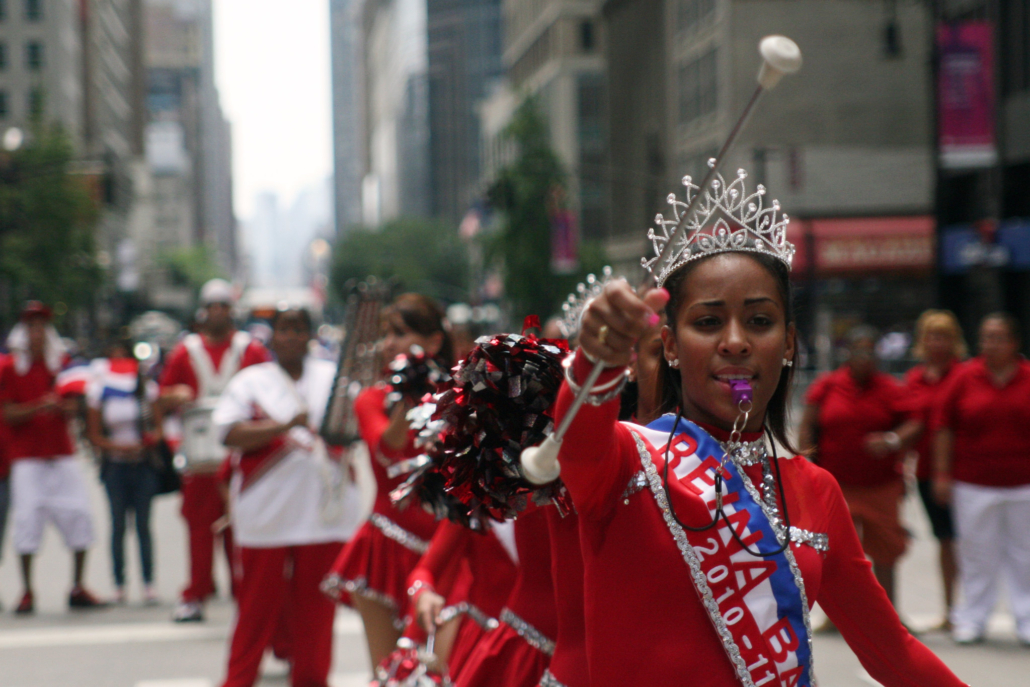 Currently, women’s rights in Dominica are not the same as men’s and legislation is not prioritizing them. However, with Sylvanie Burton as the newly elected, first female, indigenous President of Dominica, change could be on the horizon.
Challenges
Although some strong educational achievements have allowed women to have professional careers, there is a severe lack of legislation to protect them in the working environment in Dominica. For example, there is currently no legislation or criminal penalties to prevent or punish gender discrimination and sexual harassment in the workplace; therefore women are vulnerable to inequality and aggression due to the lack of government action on constitutional gender equality.
Moreover, career development is a challenge for women in Dominica, as, despite the high rate of women in education that should allow them to pursue professional careers, men hold most managerial positions in the workplace, preventing women from climbing up the career ladder and developing their profession. Furthermore, parenthood is challenging for employed mothers as legislation entitles women to less than 12 weeks of maternity leave.
Indeed, employment legislation regarding women’s rights in Dominica does not currently prioritize their safety, career development or well-being, limiting the opportunities for women. Women have a right to pursue a career, have a family, and, importantly, feel safe at their place of employment; the legal barriers preventing this are infringing on women’s right to independence.
Progress for Women’s Rights in Dominica
However, progressive change for women’s rights in Dominica has been witnessed; the Dominican Women’s Development Centre has worked valiantly for 33 years to help Dominican women fight gender inequality and gender-based violence. This organization helps more than 10,000 women and their families every year; it has a variety of programs and hotlines to cater to all women’s needs, such as parenting programs and domestic violence hotlines, these organizations provide crucial support to women battling gender inequality.
Institutional change for women’s rights in Dominica may be on the horizon with recent domestic political developments. For example, women currently hold more than 37% of seats in the Dominican Parliament, showcasing that women are proudly taking up political space and roles, making Dominican politics a more inclusive space.
But one could argue that the largest political change for women’s rights in Dominica was the recent election of the first indigenous woman as President, Sylvanie Burton, in September 2023. President Burton is an active advocate of women’s and children’s rights to escape abuse and exploitation. She plans to draw more attention to the serious issues women and children face, along with young men, in hopes of rectifying gender inequality in Dominica. Indeed, this has already been demonstrated; President Burton appointed the deserving candidate, Marie Therese Johnson, as the Head of the Citizenship by Investment Unit (CIU), and therefore showcases her dedication to empowering women and gender diversity.
Looking Ahead
President Burton’s election into office and women taking up more political space are huge milestones in Dominican politics that signify the state’s progressive movement towards gender equality and have created a spark of hope for the future, as now many are valiantly fighting for the rights of Dominican women.
– Abigail Tidball
Photo: Flickr
