3 Ways to Tackle Energy Poverty in Africa
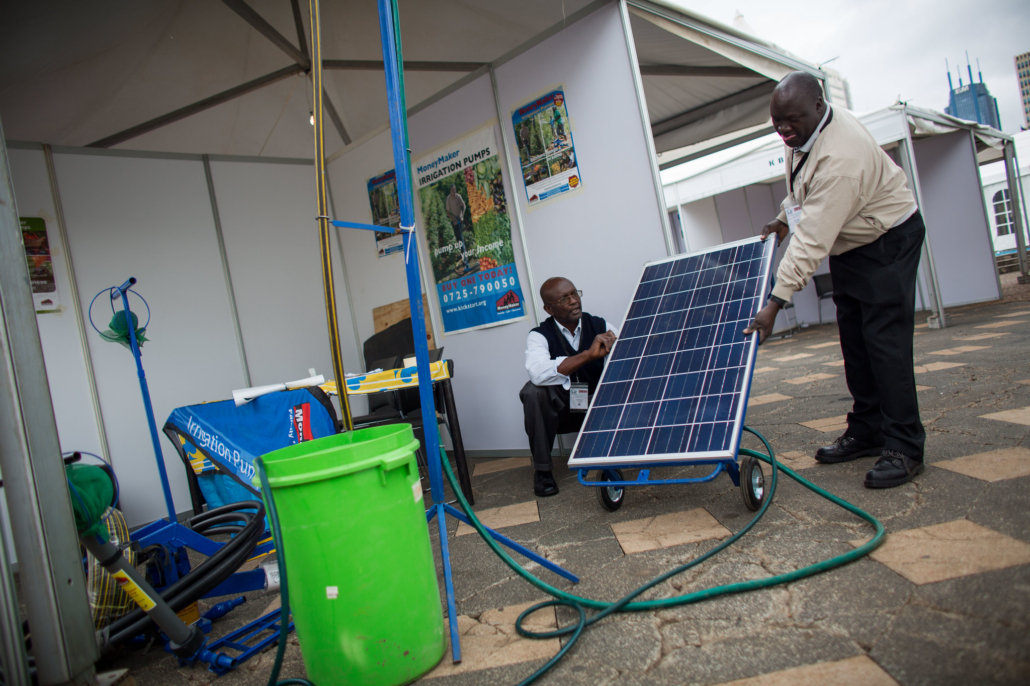 Energy poverty in Africa currently impacts 600 million people, with the majority of those affected living in Sub-Saharan Africa. Lack of access to energy impacts basic necessities such as cooking and transport. This impact has an effect on people living in poverty, as energy poverty can affect their income, education and health care. Despite these hardships, Africa’s natural resources and modern technology can help alleviate energy poverty.
Increasing Efficiency
Poor energy infrastructure is a significant factor in energy poverty in Africa. Inefficient transmission means energy is lost between power plants and homes and businesses. The African Energy Efficiency Programme is a joint project by the African Energy Commission and the UN seeking to solve this problem. The Programme aims to provide electricity for millions of additional consumers by providing more efficient lighting and appliances.
Minimum Energy Performance Standards are also emerging to support African states in providing reliable electricity to consumers. By increasing efficiency, Africa’s existing energy will reach more people than it currently does and improve the lives of those living in energy poverty.
Renewable Energy
Energy sources such as wind and solar are abundant across Africa but are under-used across the continent. Africa can unlock its full potential by constructing new wind or solar farms. For example, the AMAN Project in Mauritania is an ongoing development of large-scale solar and wind farms. The mega project should provide 110 terawatt-hours of electricity and energy available for export, boosting Mauritania’s GDP by as much as 60%.
Kenya’s Garissa solar plant is East Africa’s largest. It produces 50 megawatts of energy, equivalent to 2% of Kenya’s energy mix.
The Garissa plant has made energy more affordable for Kenyans, and proposals to ensure 50% of new energy projects in Sub-Saharan Africa are renewable by 2040 mean this trend is likely to continue.
There are plans to construct 35 solar projects in Kenya, with six already underway. Kenya has around 15,000 megawatts of solar potential, with only 52 megawatts harnessed so far. By increasing the number of solar farms, Kenya will make energy more available and affordable, helping tackle energy poverty in Africa.
Technology
Many areas of rural Africa are inaccessible or unsuitable for grid electrification, meaning that residents cannot benefit from energy in their homes. One can see solutions to this problem in using local power sources, such as solar-powered lights, which do not require a connection to an electric grid. Let There Be Light International is an organization that provides solar lights to 1.2 million vulnerable people, including mothers, children and the elderly.
By providing a source of energy that can operate even in off-grid rural communities, health clinics can remain open throughout the night, and students can study after school. Solar lights also eliminate the risks of kerosene lamps, such as pollution or fire hazards. These benefits significantly improve the lives of people living in energy poverty in Africa.
Energy poverty seriously impacts hundreds of millions of lives in Africa. Challenges such as poor infrastructure and untapped energy potential deprive people living in poverty of access to essential services such as electricity. However, more efficient power transmission, the expansion of renewable energy sources and modern innovations are all helping alleviate energy poverty in Africa.
– Jamie Paterson
Photo: Flickr
