How National Debt Negatively Affects Developing Nations
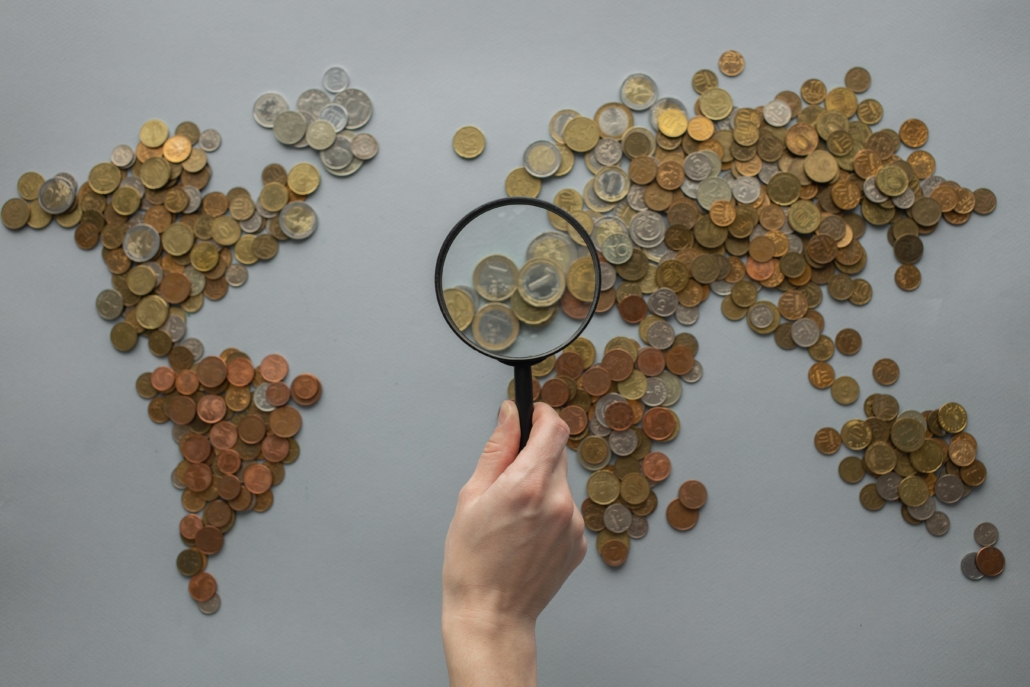 Between 2000 and 2023, global GDP has tripled, while global public debt has quintupled in the same period. This is a serious issue, yet the world’s $92 trillion in public debt remains far from a household discussion. National debt affects developing nations in an outsized way that is spoken of even less.
While public debt affects the developed world, it is crippling the developing world’s ability to rise out of poverty. Global poverty cannot be solved without recognizing that public debt is a key part of the problem. Without addressing it, developing countries will remain mired in high-interest payments and an ever-growing debt burden that harms their citizens and steals their futures.
How Does National Debt Affect Developing Nations?
Last year, 59 developing countries held national debt worth more than 60% of their GDP. These countries are already combatting many other hurdles to success, including food instability, poor health care and a lack of sanitation. Their high levels of debt prevent them from being able to fully address the issues impacting their people.
The debt problem is so severe that, according to the UN, “3.3 billion people now live in countries where debt interest payments are greater than expenditure on health or education.” These countries are only managing to pay the high interest on their loans, not their actual debt burdens. Developing countries face an increasing need to divert life-saving funds to maintain debt. As a result, national debt affects developing nations in an extremely detrimental way.
National Debt Affects Developing Nations Differently
Public debt affects developing and developed nations very differently. While developed nations have the stability and resilience to ride out their storms and debt mistakes, developing nations do not. They remain stuck in a perpetual cycle of debt that they cannot pay off, while interest payments keep them from lifting themselves out of poverty. The story of debt in these two types of countries is very different.
What is the Interest Rate Disparity and Why Does it Matter?
There is significant disparity in interest rates between loans that developing nations take out as opposed to developed ones. Over the past 10 years, while developed countries have been paying around 1% interest on loans, developing countries have been charged 5-8% interest. It is far more expensive for a developing nation to have debt than it is for developed nations.
Why Do Developing Nations Take Out Loans?
To better understand this massive problem, it is helpful to understand why developing nations take out debt in the first place. The reasons are myriad, but include:
- The unexpected cost of the COVID-19 pandemic
- External disasters that have an impact on the country
- Domestic disasters
- Other unforeseen economic issues that countries face
- Infrastructure development aimed toward economic growth
- The war in Ukraine
Many developing nations faced multiple disasters in the last few years that, due to their financially vulnerable state, have left them without any recourse other than loans. This means that national debt affects developing nations now even more than it normally would.
Who Do Developing Nations Borrow Money From?
When a country decides to borrow, they have several possible sources, including:
- Internal loans that the government takes out by itself, for itself
- Bilateral loans borrowed from the governments of other nations
- Multilateral loans from international organizations, such as the World Bank and the International Monetary Fund (IMF)
- Private creditors
The institution that the country is indebted to has influence over that country and may change how easily the country can pay back the loans. For example, China has resisted the movement of international entities working to alleviate the debt burden on developing nations. That makes helping countries who are indebted to China much more difficult.
Addressing the Debt Crisis
While there is still a great deal of work to do, global awareness of this issue is increasing. The UN published a report on the global debt crisis in July 2023 titled “A World of Debt: A Growing Burden to Public Prosperity.”
Additionally, the World Bank and the International Monetary Fund collaborate on the Heavily Indebted Poor Countries (HIPC) initiative, designed to give much-needed relief to developing countries that are overwhelmed with debt. This initiative began in 1996 and provides a road for indebted countries to receive 100% relief on eligible debts. Before a country can receive this aid, it must meet certain criteria — one of which is that the country must “face an unsustainable debt burden that cannot be addressed through traditional debt-relief mechanisms.” There are 36 countries receiving relief through this initiative.
Conclusion
Global public debt has skyrocketed over the last two years, and developing nations have faced heavy impacts. National debt affects developing nations in a way that developed nations are not subject to, which makes it extremely difficult for developing nations to pay off their debt. Efforts by developed nations are necessary to help developing nations rise out of the depths of public debt. When public debt is no longer a concern, these countries can focus on sustainable development to improve the quality of life among their citizens.
– Abigail Leland
Photo: Pixabay
