How Women are Supported Through HIV/AIDS in Angola
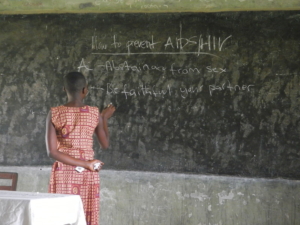 Angola is one of the largest countries in Southern Africa and is home to an estimated 33 million people. Its large population requires a robust health service to tackle issues such as high levels of HIV/AIDS infections in the region. However, a civil war lasting until 2002 has piled pressure on Angola’s struggling health service making it difficult to prevent and treat HIV/AIDS in Angola without additional support.
The Current Situation
Angola has a relatively low HIV/AIDS prevalence of 1.6% compared to neighboring Namibia and Zambia, with HIV/AIDS prevalence of 11.8% and 10.8% respectively. Even though there is a low prevalence of HIV/AIDS in Angola, there are still 16,000 yearly related deaths and 20 new diagnoses in 15-24 year olds daily.
Verangola
These numbers disproportionately affect women (who account for 66% of Angolan HIV/AIDS cases) with teenage girls being three times as likely to become infected with HIV/AIDS as boys. In 2022, 7,900 Angolan women were diagnosed with HIV/AIDS compared to 3,800 men. These figures highlight the additional risk women face due to HIV/AIDS in Angola. Angola’s struggle to combat HIV/AIDS in women is linked to its high rates of poverty. Rural areas especially suffer from high rates of poverty, with 57% of rural Angolans living in poverty compared to a national average of 41%.
Many women living in poverty will turn to prostitution for economic reasons which risks exposing them to the virus. Lack of access to hospitals in rural areas also means women are often left to care for HIV/AIDS patients, increasing the risk of transmission.
International Aid
The international community is providing support to Angolan women living with HIV/AIDS. UNICEF’s funding in Angola has earmarked nearly $5 million (15% of the total package) for HIV/AIDS support and a goal to provide antiretroviral treatment (ART) to 3,000 women. Improving access to treatment is especially important as less than half of HIV/AIDS-positive pregnant women are accessing ART and risk transmitting the virus to their babies.
The U.N. Development Program (UNDP) has also allocated $103.2 million to improve health care in Angola. The grant will primarily focus on HIV/AIDS in Angola by providing testing, treatment and “reducing infections in children of HIV-positive mothers”. The funding has an additional $30 million compared to previous years, allowing Angola to increase its efforts to tackle HIV/AIDS.
Local Initiatives
Many Angolans are also getting involved with the fight against HIV/AIDS. Angolan singer Yola Semedo is the UNAIDS Goodwill Ambassador for Angola. She expressed her commitment to spreading the message about curtailing HIV/AIDS in Angola.
The organization Mothers2Mothers has been supporting women since 2019. Women living with HIV/AIDS in Angola are able to access treatment through the service to prevent mother-to-child transmission. Mothers2Mothers also offers contact tracing for sexual partners to prevent further spread of the virus. In 2021, more than 10,000 women benefited from these services across 28 locations.
Locally run groups, such as Bancanas Femininas (Women’s Band) give women living with HIV/AIDS a space to discuss their feelings and provide resources to access support. This organization also educates women about protecting themselves from HIV/AIDS and promotes awareness of treatment. Community counselors also provide essential services by encouraging testing and improving access to ART. These efforts contribute to keeping the prevalence of HIV/AIDS in Angola relatively low.
Angola has struggled in past years to tackle the HIV/AIDS crisis partly due to high poverty rates. With support from local and international organizations though, there is hope that the situation is improving.
– Jamie Paterson
Photo: Flickr
